

Cold showers are a real mood‑killer. Before you call a plumber, try a few quick checks that often solve the problem. Most hot‑water issues are caused by something you can see or feel, and the fixes take just a few minutes.
First, figure out what kind of system you have. Most UK homes use a gas‑powered boiler with a hot‑water cylinder, while some apartments have an electric water heater. Knowing the type helps you target the right fix.
Typical culprits include:
Spotting one of these signs lets you move straight to the fix.
1. Check the power. Look at your consumer unit and make sure the breaker for the water heater is on. If it’s tripped, flip it back and listen for the heater to start. If it trips again, there’s likely an internal fault – call a professional.
2. Reset the heater. Most electric and gas heaters have a bright‑red reset button on the front. Press it firmly; you should hear a click. This clears a safety lock that triggers after an over‑temperature event.
3. Relight the pilot. If you have a gas boiler and the pilot light is out, follow the manufacturer’s instructions to reignite it. Usually you turn the gas knob to “pilot,” hold down the button, and use the built‑in spark to light the flame. Once it stays lit, turn the knob back to “on.”
4. Raise the thermostat. Open the thermostat dial on the cylinder or on the boiler control panel. A setting of 55‑60°C is typical for comfortable showers without scald risk. If the water was set lower, you’ll notice a quick temperature boost.
5. Flush the tank. Sediment builds up over years and blocks heat transfer. To flush, turn off the power or gas, close the water inlet, attach a hose to the drain valve, and run cold water until it runs clear. Re‑fill and restore power. This can add years to a heater’s life.
6. Check the pressure valve. Low pressure can stop a boiler from igniting. The pressure gauge on a typical system should read 1‑1.5 bar when cold. If it’s low, open the filling loop until you reach the right pressure, then close it.
These fixes solve most everyday hot‑water hiccups. If you’ve tried them and still get cold water, look for leaks, strange noises, or a constantly cycling boiler. Those signs hint at a deeper issue that needs a qualified engineer.
When in doubt, don’t gamble with gas or electricity. A qualified technician can safely diagnose faulty thermostats, broken heating elements or a failing heat‑exchanger. For Bognor Regis residents, our experts arrive quickly and get the hot water flowing again.
Bottom line: start with power, reset, pilot, thermostat and a quick flush. Most problems disappear, saving you a call and a bill. Keep these steps in mind the next time the shower turns cold – you’ll be back to warm water in no time.
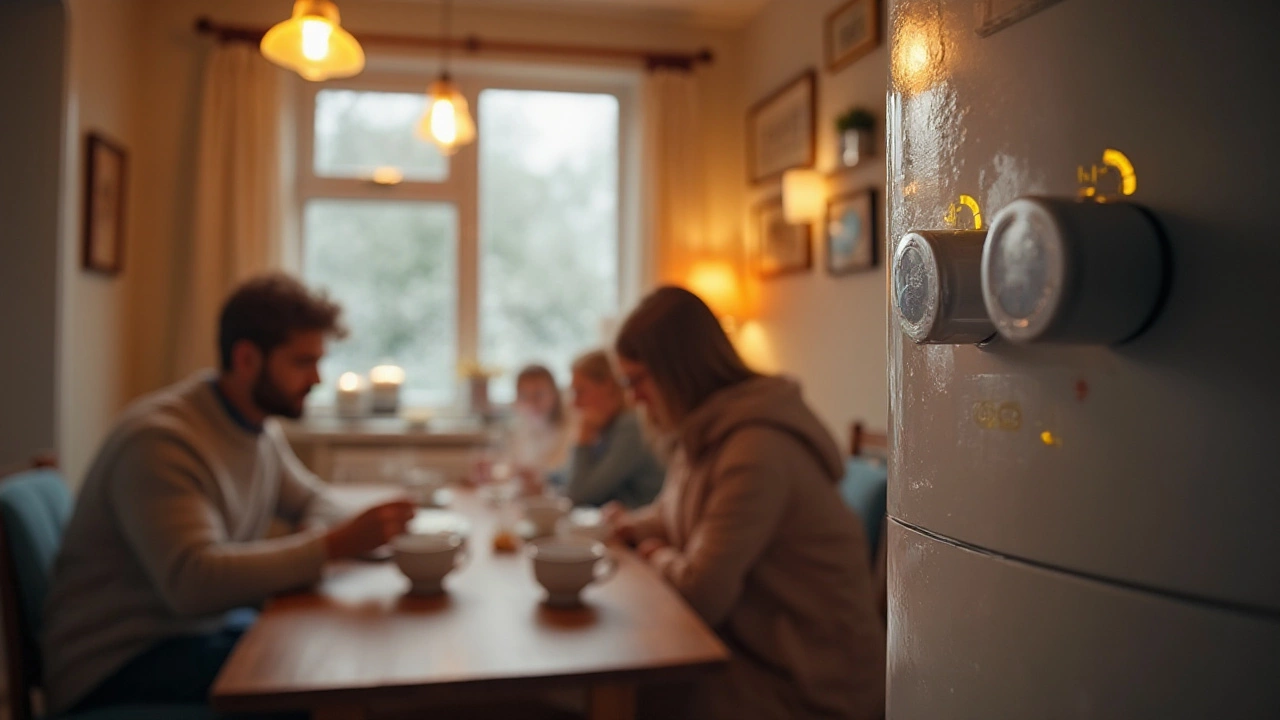
Dealing with a lack of hot water can be incredibly frustrating, especially during colder months. This article provides step-by-step guidance to identify and fix common issues with water heaters, ensuring you can tackle minor problems yourself before calling a professional. By understanding the functionality and common problems associated with water heaters, you can save time, money, and avoid inconvenient cold showers.
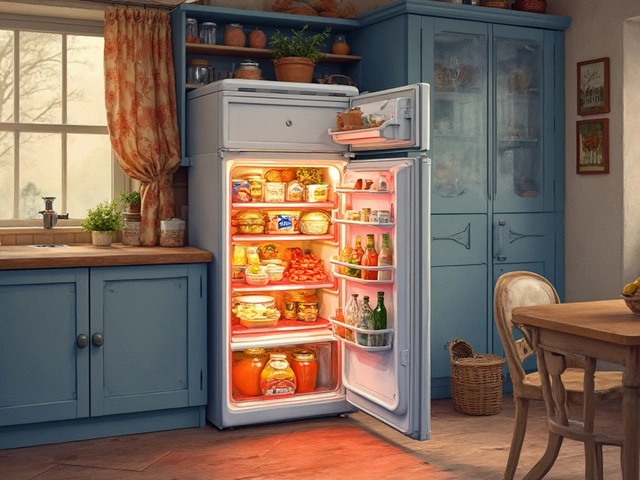
Understanding what usually fails in a fridge can save you time and money. This article explores common issues like malfunctioning thermostats, compressor problems, and leaky seals. Learn helpful tips for diagnosing and possibly fixing these issues yourself. Knowing when to call a professional is also crucial in the life of your fridge.
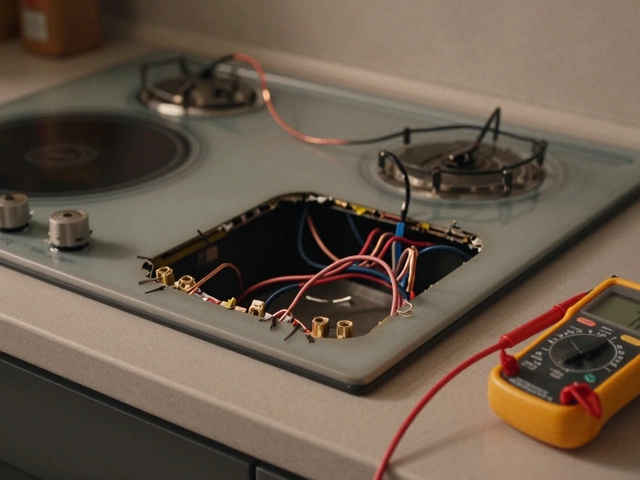
Replacing an electric hob isn't a DIY job. In the UK, it requires a qualified electrician for safety, legal compliance, and insurance reasons. Here's what you need to know before swapping your hob.
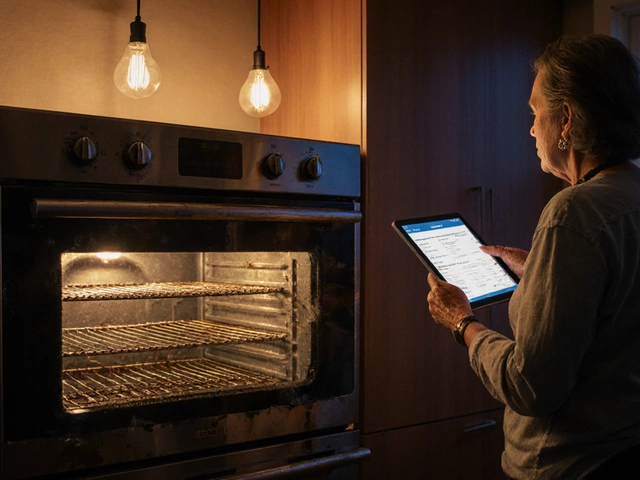
Find out when fixing a 15‑year‑old oven makes sense, compare repair costs with buying new, and learn safety, energy and environmental factors to help you decide.

When your water heater only puts out cold water, it’s more than just annoying—it can point to real problems inside the unit. This article breaks down the most common reasons behind a water heater that refuses to warm up, from tripped breakers to busted heating elements. You’ll find tips on quick checks you can do at home before calling a pro, plus some unexpected facts about how water heaters really work. Knowing what’s wrong can save you from a frigid morning shower and a giant repair bill. Get ready to tackle that cold water problem with practical advice you can use right away.
Stuck with a broken extractor fan and not sure what to do next? This article gives you practical ideas for improving air flow in your kitchen or bathroom when the fan is out of action. Learn about effective ways to keep humidity, smells, and condensation under control using simple tools and habits. Discover the pros and cons of each alternative solution so you can pick what fits your place best. Skip the stress and get the facts on dealing with bad ventilation the easy way.