

If your gas oven keeps refusing to heat, you’re probably wondering what went wrong and how to sort it without spending a fortune. The good news is that many gas oven problems are easy to spot and can be fixed with a few basic tools. Below we walk through the typical culprits, what you can safely do yourself, and when it’s time to call an expert.
The first thing to check is the gas supply. Make sure the gas valve behind the oven is fully open and that there’s no smell of gas leaking. If the valve is closed or the line is kinked, the oven simply won’t get any fuel.
Next, look at the igniter. In a gas oven the igniter glows red to spark the gas. If it’s dim, cracked, or doesn’t get hot enough, the oven will stay cold. You can test it by turning the oven on and watching the igniter. It should glow bright orange within a few seconds. A weak igniter usually needs replacing.
Another frequent issue is the safety valve or thermocouple. These parts stop the gas flow if the igniter isn’t working correctly. A faulty safety valve can keep the gas locked out, leaving the oven dead. Replacing the valve is a bit more involved, but it’s a common fix for stubborn ovens.
Don’t forget the simple things: a blown fuse, a tripped breaker, or a dirty burner. A fuse or breaker can cut power to the electronics that control the igniter. A burnt‑out burner might look clean but could be clogged with food debris, preventing proper flame.
Start with the basics. Turn off the oven, disconnect the power, and shut the gas supply. Clean the burner ports with a soft brush or a bit of compressed air. This removes any food residue that could block the flame.
If the igniter looks dark or cracked, remove the oven’s back panel, locate the igniter, and swap it with a new one that matches the model. Most igniters snap into place, so the job takes under 15 minutes.
When the safety valve is the suspect, you’ll need a multimeter to check continuity. If the valve shows no continuity, replace it. Remember to order the exact part number – a mismatched valve can cause more trouble.
After you’ve cleaned and replaced any suspect parts, re‑connect the gas, restore power, and run a quick test. The oven should ignite within a few seconds and start heating. If it still won’t heat, the issue might be deeper, like a faulty control board or a cracked gas line.
At this point, calling a professional is the safest move. Gas work can be dangerous, and a certified technician will check for leaks, test the pressure, and ensure everything meets safety standards. Our Bognor Regis team can arrive fast, diagnose the problem, and get your oven back to normal without hassle.
Whether you manage a quick DIY fix or need a pro’s help, knowing the common faults saves you time and money. Keep these steps in mind the next time your gas oven won’t heat, and you’ll be back to cooking in no time.

Repairing a gas oven might seem daunting, but it's often worth the effort. This article explores when it's practical to repair versus replace, common issues, and cost-effective solutions. Learn helpful tips, find out if it’s a DIY fix, and consider important safety aspects. Discover how to make an informed decision that saves money and hassle.
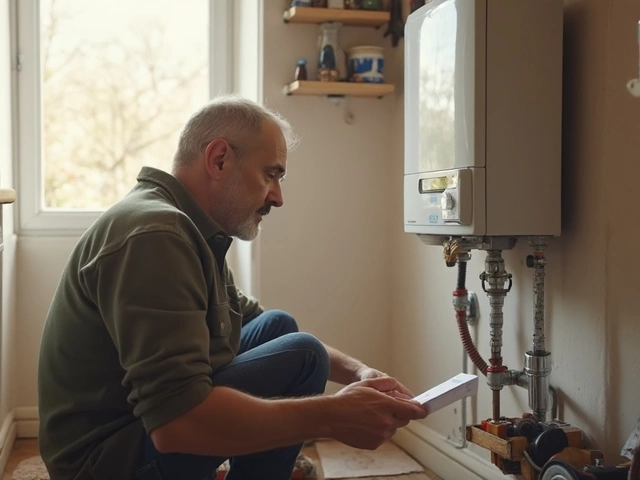
Thinking about handling your own boiler service? Get the truth about what you can and can’t do, why safety matters, and which tasks are okay for homeowners. This article covers legal restrictions, common mistakes to avoid, and practical tips for everyday boiler care. Learn how to spot problems early and when it's really time to call a pro. Save yourself headaches, money, and maybe even a major disaster by knowing the facts.
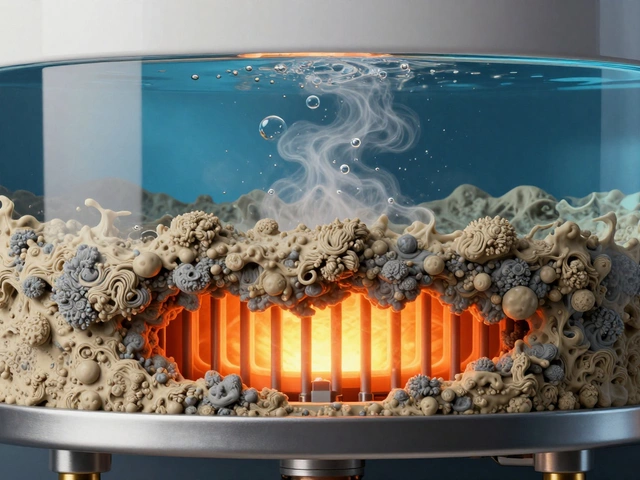
Discover the most common hot water heater problems, including sediment buildup, pilot light failures, and leaks. Learn how to diagnose issues, perform maintenance, and extend your unit's lifespan.

Curious about how your home appliances actually work? Get a full breakdown of what happens inside, troubleshooting tips, and smart ways to keep everything running smoothly.
Learn why a toilet is classified as a plumbing fixture, not an appliance, and how this impacts warranties, insurance, and repair choices.
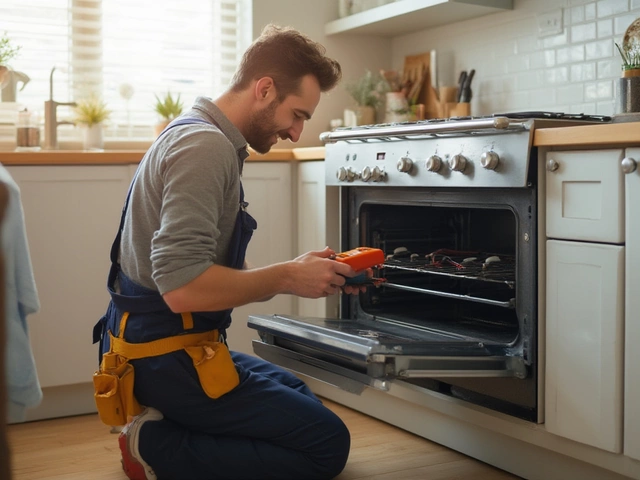
Wondering if an electrician can fix your electric oven? Get the facts, tips, and expert advice you need on diagnosing and repairing broken ovens.