

If your gas hob sputters, won’t ignite, or smells funny, you’re probably wondering what to do first. The good news is many issues are quick fixes you can do yourself with a few tools and a bit of caution. In this guide we’ll walk through the most common reasons a gas hob stops working, show you safe DIY fixes, and tell you when it’s wise to call an expert.
Most gas hobs fail for three main reasons: blocked burners, faulty igniters, or a supply problem. A burner can get clogged with food debris or grease, which blocks the gas flow and stops the flame. Igniters—those little clicking pieces that spark the flame—can wear out or get covered in grime, so they won’t spark at all. Finally, if the gas supply valve is partially closed or the pipe has a leak, none of the burners will fire.
Other occasional culprits are loose connections and broken safety valves. A loose connection can happen after a heavy pot is moved around, and a broken safety valve may stop the gas from reaching the hob entirely. Spotting the exact cause saves you time and prevents unnecessary repairs.
Before you reach for a professional, try these easy steps. First, turn off the gas supply at the main valve and let the hob cool completely. Remove the burner caps and clean them with warm soapy water. Use a toothbrush to scrub out any clogged holes—make sure they are clear before re‑assembling.
Next, check the igniter. Wipe it gently with a dry cloth to remove any oil or food residue. If it still won’t spark, you can test it with a multimeter (set to ohms). A healthy igniter usually reads between 500 and 1,000 ohms. Anything far outside that range means the part needs replacing.
Finally, verify the gas supply. Open the main valve a little and listen for a hissing sound; if you smell gas, shut it down immediately and call a qualified engineer. If everything looks normal, try lighting the burners again. Often a quick clean and a fresh spark are all you need.
If after these steps the hob still won’t work, it’s time to call a professional. Gas work can be dangerous if you’re not trained, and a certified engineer will safely check the gas line, replace faulty components, and ensure your stove meets safety standards.
Keeping your gas hob in good shape also means regular maintenance. Wipe down spills right away, avoid using abrasive cleaners on the igniters, and schedule a yearly check‑up if you use the stove heavily. A little care now can prevent costly breakdowns later.

Wondering if you can fix a faulty gas hob? This article explains what repairs are possible, which issues you can tackle yourself, and when to call in a pro. Get down-to-earth tips on spotting common problems, safety advice, and how regular care can extend your hob’s life. We cover everything from spark ignition troubles to stubborn burners that won’t light. Know what you’re dealing with and avoid expensive mistakes.
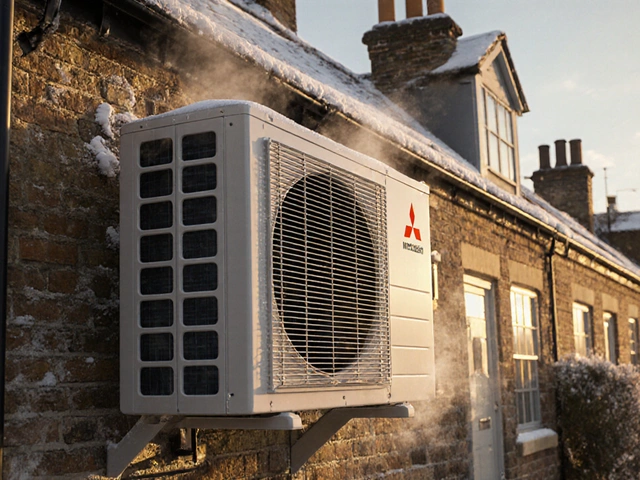
Discover the most reliable heat pump brands for UK homes in 2025, based on real repair data, warranty claims, and installer feedback. Avoid costly mistakes by choosing wisely.
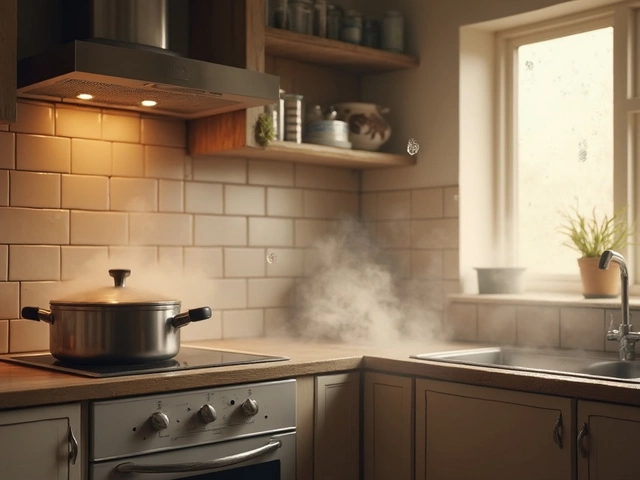
Not using an extractor fan can lead to unexpected issues in your kitchen or bathroom. From accumulating moisture and odors to potential damage over time, extractor fans play a crucial role in home maintenance. This article explores why these devices are essential, the problems that arise from neglecting them, and practical tips on proper care and repair.
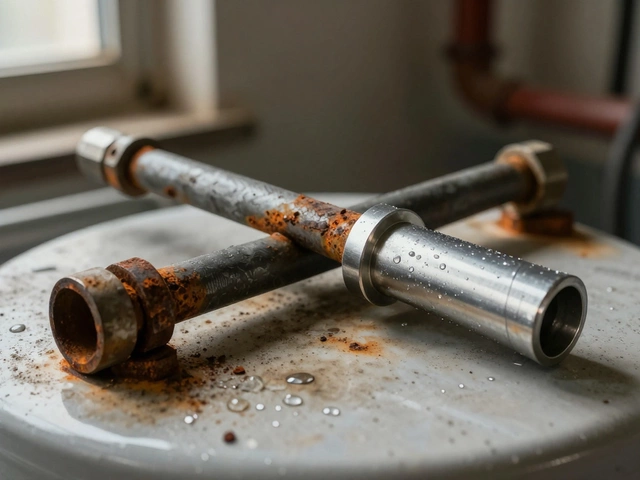
Replace your water heater's anode rod every 1-2 years in hard water areas to prevent tank corrosion. A simple £20 part can save you hundreds in repairs.

Repairing an electric oven on your own can be daunting, but it may be easier than it seems. This article explores the basics of oven function, safety tips, and common issues like heating problems or broken knobs. You'll find valuable advice on identifying problems and learning when it's best to call a professional. With a bit of knowledge, some troubleshooting, and a few tools, you might be able to save money on repair costs. Remember to prioritize safety above all while attempting repairs.

If your boiler stops working, know who to call and what to do immediately. This guide covers emergency steps, how to find a Gas Safe engineer, repair costs, and how to prevent future breakdowns in the UK.