

Every kitchen, laundry room, and garage holds a hidden danger – a faulty appliance that could start a fire. The good news? Most of those risks are easy to spot and even easier to fix. In the next few minutes you'll learn the simple checks that keep your home safe and what to do when something goes wrong.
Old washing machines with worn‑out motor bearings can overheat, especially if the drum is out of balance. A fridge that runs but never cools often has a clogged condenser, causing the compressor to work harder and heat up. Electric ovens with cracked heating elements can spark, while a kitchen extractor fan with a greasy buildup becomes a perfect tinder box. Knowing these triggers helps you catch problems early.
Another big trigger is electrical – loose plugs, frayed cords, or a circuit that’s constantly tripping. If you notice a flickering light when an appliance turns on, that’s a red flag. It usually means the wiring can’t handle the load, and the extra heat can ignite surrounding materials.
Start with a visual inspection. Look for scorch marks, melted plastic, or a burnt smell around the plug and the appliance itself. Pull the device away from walls or cabinets and feel the surface after it’s been running – if it’s hot to the touch, give it a break and let it cool.
Next, check the ventilation. A dishwasher or extractor fan that isn’t breathing can overheat. Clean the filters regularly; a quick wipe with a damp cloth does the trick. For ovens and hobs, remove any food debris that’s built up on the heating elements. A clean surface dissipates heat better and reduces fire chances.
If an appliance is more than ten years old, consider a professional inspection. Technicians can test the thermostat, replace worn gaskets, and tighten any loose connections. It’s often cheaper to service a ten‑year‑old dishwasher than to replace it after a fire.
Don’t forget the simple habit of unplugging devices you don’t use daily. A toaster left plugged in, even when not in use, can draw a tiny current that heats the internal components over time. Unplugging also protects against power surges that can fry electronics.
When you hear unusual noises – humming, buzzing, or a grinding sound – shut the appliance off immediately. Those noises usually mean something’s moving where it shouldn’t, like a motor bearing grinding or a fan blade hitting debris.
Finally, keep a fire extinguisher in the kitchen and learn how to use it. A Class A extinguisher handles ordinary fires, while a Class B works for flammable liquids that can seep from fridge compressors. Knowing which one to grab can stop a small spark from turning into a blaze.
By staying alert, cleaning regularly, and getting professional help when needed, you turn potential fire hazards into simple maintenance tasks. Your appliances will run smoother, and you’ll sleep easier knowing your home is safe.

Leaving an electric oven on overnight sounds harmless, but it could spell real trouble. Learn the risks, facts, and safer options for your late-night cooking needs.

Wondering if that decade-old laptop should stick around or be kicked to the curb? This article dives into the practicality, challenges, and potential of keeping a 10-year-old laptop. With tips on upgrading components, performance tweaks, and sustainability, you'll discover whether holding on to an old device is a wise choice. Including pros and cons, this guide offers straightforward advice for the tech-savvy and beginners alike. Explore the balance between nostalgia and functionality in the ever-evolving world of technology.
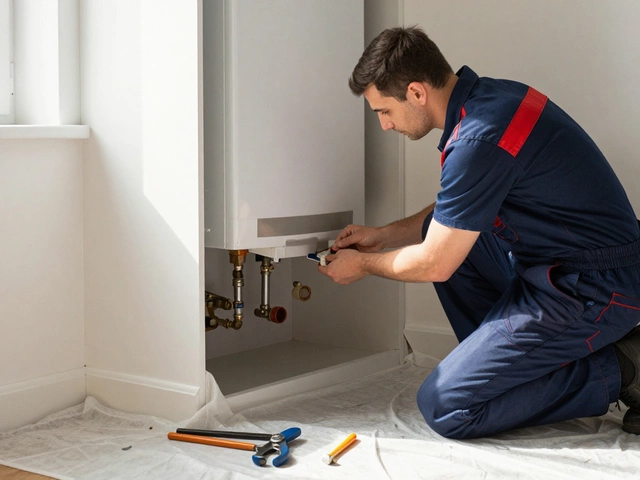
Replacing a boiler in the UK typically takes one to three days, depending on the type of boiler, system complexity, and home layout. Most installs finish in a single day if the new unit is in the same location.

Refrigerators are a crucial part of our daily lives, and when they malfunction, it can be a real headache. One of the most common repairs involves fixing the refrigerator's cooling system. Often, issues arise from problems with the condenser coils, which can become dirty or worn out over time. By understanding these common problems, homeowners can better maintain their appliances, potentially saving time and money.

Discover how long extractor fans last, what shortens their life, and tips to maximize their lifespan in your kitchen or bathroom. Practical, clear advice from real experience.
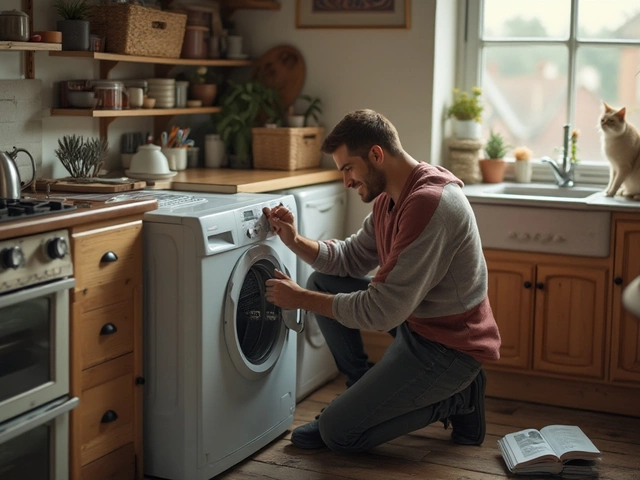
Repairing a washing machine yourself can save time and money, and it's not as difficult as one might think. This article covers the basic steps for diagnosing common issues, tools required for repairs, and safety tips to consider. Whether it's a noisy drum or a leaking gasket, we guide you through essential troubleshooting techniques. Learn how to tackle minor fixes and decide when to seek professional help.