

Nothing stops dinner plans faster than an oven that won’t heat. Before you panic and order takeout, try a few simple checks. Most oven heating problems are caused by a broken heating element, a blown fuse, or a faulty temperature sensor. Knowing what to look for can save you time, money, and a trip to the repair shop.
1. Burnt heating element. In electric ovens the element is the metal coil you see at the bottom or back. If it looks dark, cracked, or you hear a sizzling noise when you turn the oven on, the element is probably dead. A multimeter can confirm if it has continuity – but if you’re not comfortable with tools, it’s a clear sign to call a pro.
2. Faulty thermostat or temperature sensor. The thermostat tells the oven when to heat up. Over time, the sensor can drift and the oven thinks it’s already at the right temperature. You’ll notice a steady oven temperature that never rises, even though the control shows a higher setting.
3. Tripped circuit breaker or blown fuse. Ovens draw a lot of power. If the breaker trips, the oven will stay dead. Check your consumer unit; if the switch is in the off position, flip it back on. If it trips again, you have an electrical issue that needs a qualified electrician.
4. Door latch problems. Modern ovens won’t heat if the door isn’t fully closed. The latch sensor can get stuck or break, leaving the oven thinking the door is open. Open the door fully and close it again; you should hear a click. If the oven still refuses to heat, the latch may need replacement.
5. Control board failure. The electronic board that runs the oven’s functions can go bad. This is less common but can cause random heating failures. Look for error codes on the display – they often point straight to the board.
If you’ve checked the element, thermostat, breaker, and door latch and the oven still won’t heat, it’s time to bring in the experts. Trying to replace a control board or work inside the oven’s wiring without proper training is risky. Bognor Regis Appliance Repair Experts have the tools and experience to diagnose and fix any heating issue safely.
We’ll start with a quick visual inspection, then test the element, thermostat, and safety switches. If we need a part, we keep a stocked inventory of common oven components, so most repairs are done on the spot. Most customers get their ovens back in working order within an hour.
Choosing a local service matters. We know the typical models in Bognor Regis homes, and we’re just a short drive away. That means faster response times and lower travel costs. Plus, we’re fully insured and GAS Safe certified for any gas‑oven work.
Before you book, have these details ready: the oven’s make and model, the exact problem (e.g., “won’t heat at any temperature”), and any error codes shown. This helps us arrive prepared and speeds up the repair.
In short, a non‑heating oven is usually a simple fix – a burnt element or a tripped breaker. But when the problem is deeper, a qualified technician will get it sorted quickly and safely. Don’t let a faulty oven ruin your dinner plans; give Bognor Regis Appliance Repair Experts a call and get back to cooking in no time.
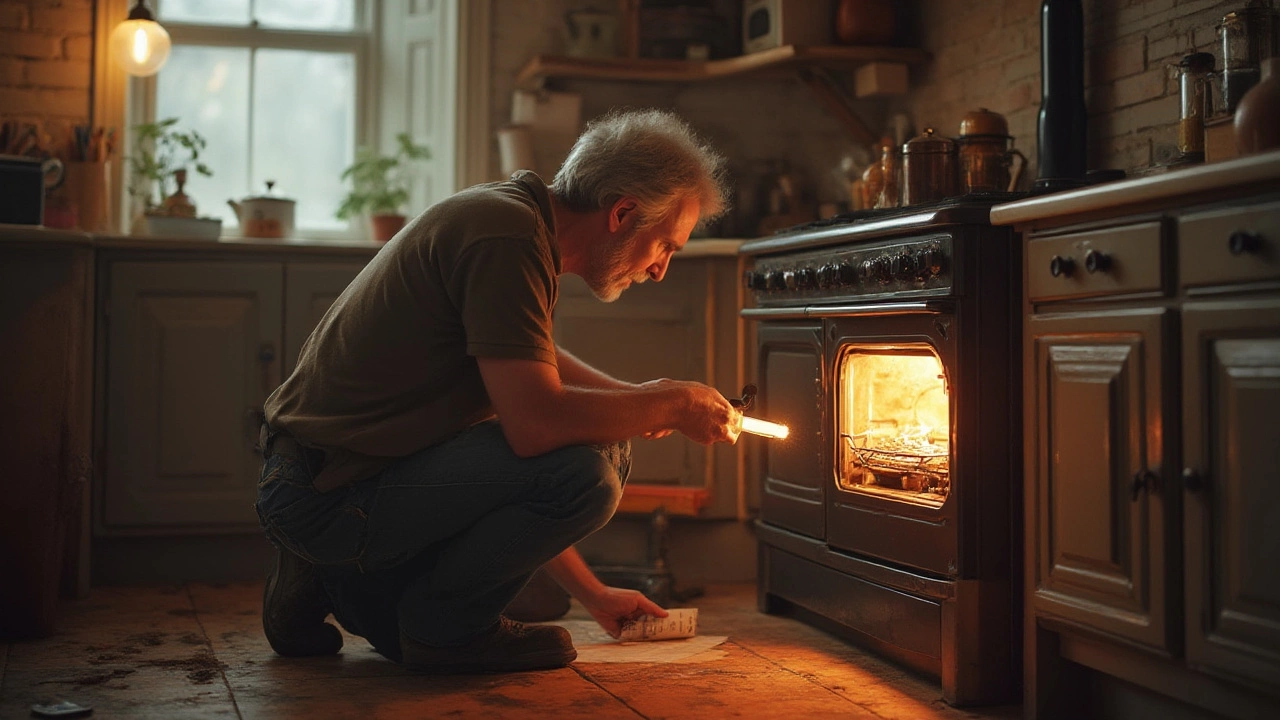
Got a cold oven? Learn if you can swap that faulty heating element yourself, what tools you'll need, and exactly what to watch out for. Easy fixes, with real-life tips.
Find out exactly how much it costs to fix an oven that won't heat in the UK in 2026. We break down labour, parts, and hidden fees to help you decide between repair and replacement.
Wondering if fixing your 7-year-old washing machine is worth it? This guide helps you weigh the pros and cons. Consider factors like repair costs, common issues, and the appliance’s lifespan. Find out when it makes sense to repair or replace. Get informed tips to make the best decision for your laundry room.

Cracked or damaged glass hobs make you panic, but not every problem spells doom for your stove. This article breaks down what issues can actually be fixed and when it's smarter to replace the glass. You’ll get real-life tips, possible repair options, and clear warnings for common mistakes. Safety comes first, but you’ll also find out when you can handle things yourself—or absolutely need a pro. Practical info, simple steps—you’ll get the full story on glass hob repair.
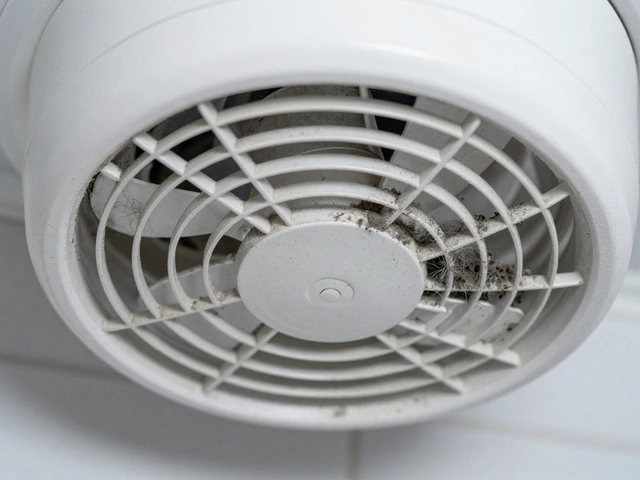
Learn how to properly service your bathroom extractor fan with this easy step-by-step guide. Discover cleaning tips, troubleshooting tricks, and when to call a pro.

Struggling with hot water inconsistencies between your kitchen and bathroom? This article explores the causes behind such issues, including plumbing layout and water heater problems. Learn valuable tips for diagnosing and fixing these common household headaches. Discover practical solutions that can save you from cold showers and confusing hot water scenarios. Understand how simple tweaks or professional guidance can restore your home's balanced hot water supply.