

Got a fan that hums, rattles, or just won’t turn on? You’re not alone. Most homeowners face a faulty extractor fan at some point, and fixing it is often easier than you think. Below you’ll find the most common reasons fans stop working, a few hands‑on fixes, and clear signs when it’s time to call a professional.
First, figure out what’s wrong. The usual suspects are:
Identifying the symptom saves time. A humming fan that never spins usually points to a motor problem, while a fan that only runs for a few seconds suggests an overload protection kicking in.
Most basic issues you can tackle with a screwdriver and a few minutes of effort:
These steps cover about 80% of common fan problems. If the fan still won’t run after you’ve cleaned, checked wiring, and reset the overload, it’s time to get help.
Calling a pro makes sense when you encounter:
Professional repair services can diagnose motor faults, replace sealed motor units, and ensure the fan meets local electrical codes. In Bognor Regis, a specialist will also check for any ventilation compliance issues that could affect building regulations.
Keeping your fan in good shape is all about regular maintenance. Wipe the exterior monthly, clean the filter every 2–3 months, and give the motor a quick visual check once a year. A little effort now stops costly breakdowns later.
So, next time your kitchen or bathroom fan starts acting up, run through this checklist. You might save a few pounds and keep your home fresh. If you hit a wall, don’t hesitate to contact a local repair expert – a quick call can prevent bigger headaches down the road.

Extractor fans are a lifesaver when it comes to clearing out steam, smoke, and nasty odors, but many people forget they actually need a little love now and then. This article cracks open the question of whether extractor fans need maintenance, and if so, what kind and how often. We'll cover quick tips, warning signs, and busted myths around fan care. Get the straightforward facts (and a few surprises) about keeping your fan working its best. No nonsense, just super practical info you can use right now.
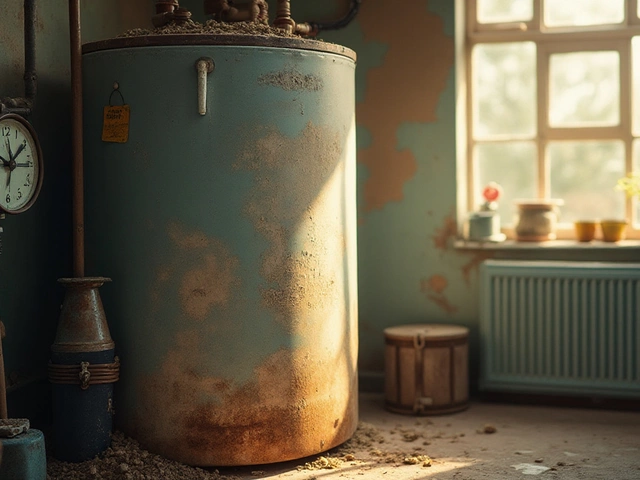
Neglecting to flush your water heater can lead to a host of issues, from inefficiency to full-blown malfunctions. Sediment buildup can decrease heating efficiency and even cause damage over time. This article explores what happens if you never flush your water heater, why regular maintenance is crucial, and how you can perform these tasks. Dive into practical advice and tips for maintaining a healthy water heating system.
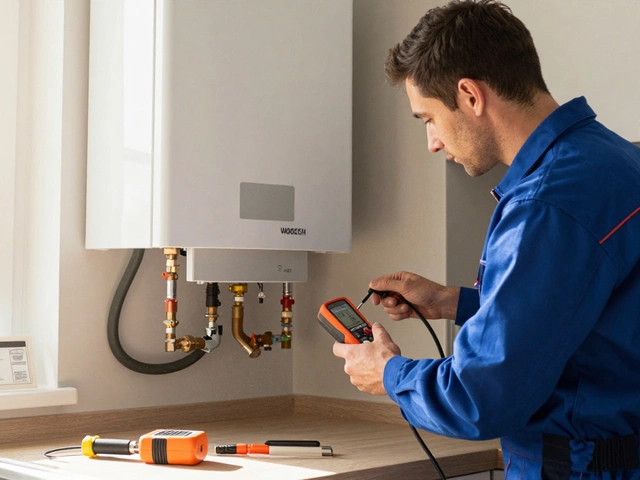
A typical boiler service takes 60 to 90 minutes, but older or neglected systems may require 2-3 hours. Regular annual servicing prevents breakdowns, improves efficiency, and keeps warranties valid. Always choose a plumber who tests gas safety and provides a written report.

When your dishwasher starts acting up, a quick, accurate diagnosis can save you from bigger headaches and pricey repairs. This article walks through simple methods to spot dishwasher problems, from weird noises to stubborn leaks. You'll learn what to check first, how to tell if it's a DIY fix, and when it's time to call in a pro. Handy tips and real-life examples make this guide easy to follow, even if you're not a born handyman. Don't let a small hiccup become a kitchen disaster — know what to look for and act fast.
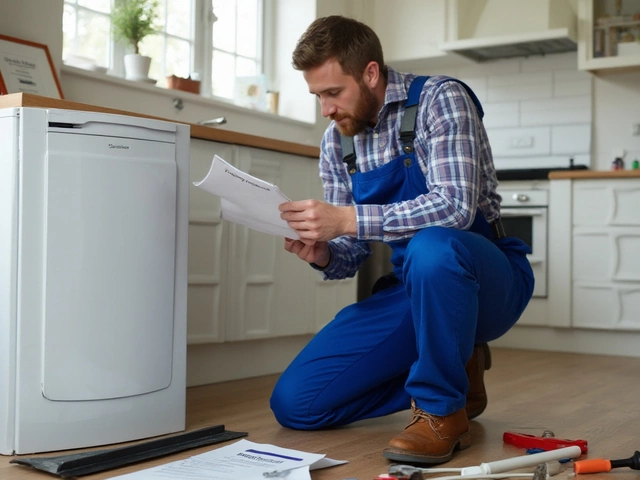
Plumbers are often the go-to professionals for a wide range of home repairs, but when it comes to boilers, it's essential to know their scope of work. This article delves into whether plumbers can actually handle boiler installations and replacements. You'll uncover what specific skills and certifications are required for boiler work, why hiring a specialized heating engineer may be recommended, and the potential risks of using underqualified technicians. Whether you're considering a new boiler or need an existing one serviced, understanding who is best suited for the task is crucial.
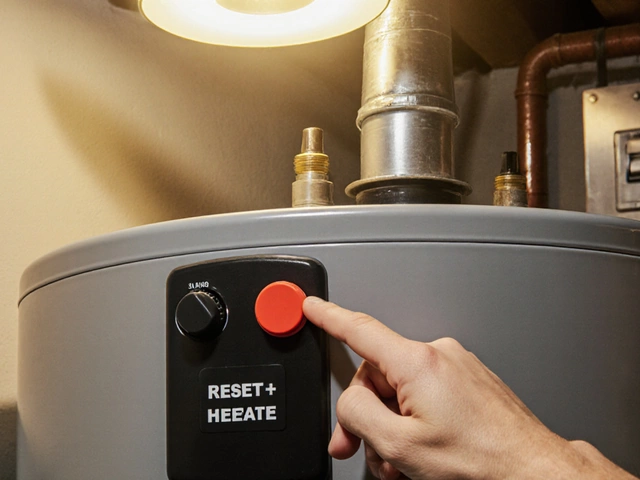
Learn how to safely reset both electric and gas hot water heaters, troubleshoot common issues, and know when to call a professional.