

Got a fan that hums, rattles, or just won’t turn on? You’re not alone. Most homeowners face a faulty extractor fan at some point, and fixing it is often easier than you think. Below you’ll find the most common reasons fans stop working, a few hands‑on fixes, and clear signs when it’s time to call a professional.
First, figure out what’s wrong. The usual suspects are:
Identifying the symptom saves time. A humming fan that never spins usually points to a motor problem, while a fan that only runs for a few seconds suggests an overload protection kicking in.
Most basic issues you can tackle with a screwdriver and a few minutes of effort:
These steps cover about 80% of common fan problems. If the fan still won’t run after you’ve cleaned, checked wiring, and reset the overload, it’s time to get help.
Calling a pro makes sense when you encounter:
Professional repair services can diagnose motor faults, replace sealed motor units, and ensure the fan meets local electrical codes. In Bognor Regis, a specialist will also check for any ventilation compliance issues that could affect building regulations.
Keeping your fan in good shape is all about regular maintenance. Wipe the exterior monthly, clean the filter every 2–3 months, and give the motor a quick visual check once a year. A little effort now stops costly breakdowns later.
So, next time your kitchen or bathroom fan starts acting up, run through this checklist. You might save a few pounds and keep your home fresh. If you hit a wall, don’t hesitate to contact a local repair expert – a quick call can prevent bigger headaches down the road.

Extractor fans are a lifesaver when it comes to clearing out steam, smoke, and nasty odors, but many people forget they actually need a little love now and then. This article cracks open the question of whether extractor fans need maintenance, and if so, what kind and how often. We'll cover quick tips, warning signs, and busted myths around fan care. Get the straightforward facts (and a few surprises) about keeping your fan working its best. No nonsense, just super practical info you can use right now.

Learn the typical cost of repairing a gas oven igniter, compare DIY vs professional pricing, and discover tips to keep your repair bill low.
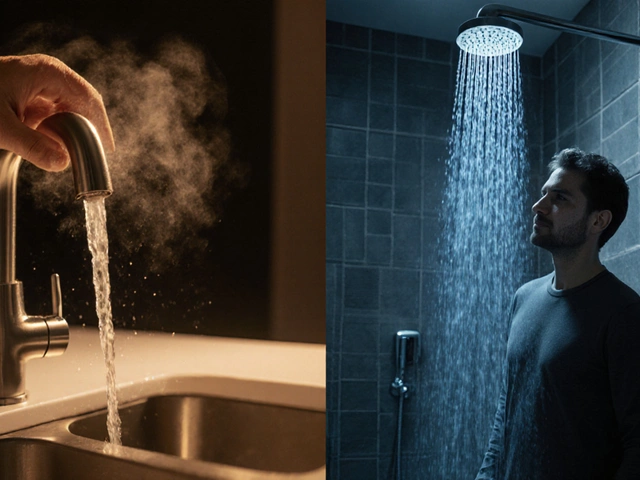
Discover why hot water reaches your sink but not the shower, learn the common causes, DIY fixes, and when to call a plumber for a reliable solution.

Repairing an aging laptop can be a tricky decision. This article explores whether it's still worth investing in a 7-year-old device. We'll consider factors like performance, cost, potential upgrades, and environmental impact. Dive in to learn about the practical and sentimental value of maintaining your trusty laptop.
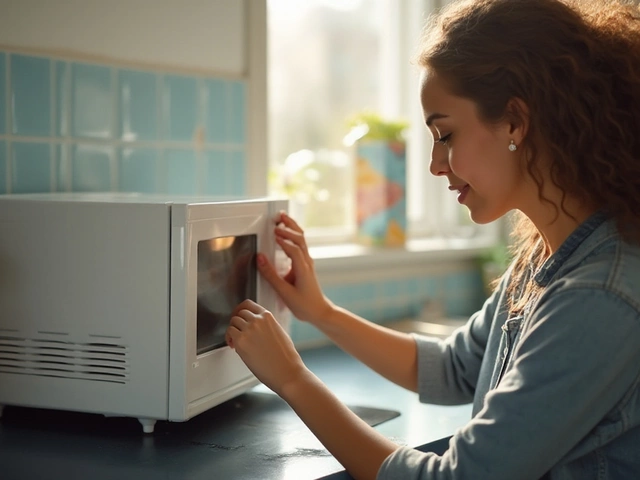
Microwave ovens, essential kitchen appliances for many households, can sometimes fail to operate smoothly. This article dives into the intricacies of microwave repair, exploring common issues, troubleshooting methods, and practical repair tips. Designed for both amateur DIY enthusiasts and curious individuals, the guide offers insights into understanding microwave components and determining when professional help is necessary. Learn the skills needed to fix minor problems and tips to maintain the efficiency of your microwave.

Struggling with a troublesome boiler? Discover the most frequent issues like lack of heat, strange noises, and leaking water. Learn practical tips and tricks on how to diagnose and fix these problems on your own. Recognize when it's time to call a professional and keep your home warm and comfortable.