

Extractor fans keep your kitchen and bathroom free of steam, smells, and mould. When they quit working, the room feels damp and uncomfortable. The good news? Most fan faults are easy to diagnose and fix without calling a technician. Below you'll find the most common issues, simple DIY steps, and clear signs that you need a professional.
First, listen. A humming fan that doesn’t spin usually means the motor is stuck or the blades are jammed. If the fan is silent, the power supply might be broken or a fuse could have blown. Look at the vent grille – dust and grease build‑up can block airflow, making the fan work harder and eventually overheat.
Another frequent problem is a noisy fan. Rattling or grinding sounds often come from loose screws or a worn bearing. Check the mounting screws and tighten any that feel loose. If the noise persists, the bearing may need lubrication or replacement.
Water leaks are a red flag. Moisture around the fan housing can corrode internal parts and cause short circuits. If you see water, turn the fan off at the breaker and dry the area before you start any repair.
Here’s a straightforward checklist you can follow:
1. Turn off power. Switch off the circuit breaker or remove the fuse to avoid shocks.
2. Remove the grille. Most fans have clips or screws. Gently pull it away and clean the grease with warm soapy water.
3. Inspect the motor. Look for burnt smells or visible damage. If the motor smells burnt, it likely needs a replacement.
4. Check the wiring. Loose or corroded wires are a common cause of failure. Tighten connections and replace any frayed sections.
5. Lubricate bearings. If the fan spins slowly or makes a whining sound, apply a few drops of light machine oil to the bearing points.
6. Re‑assemble and test. Put the grille back, restore power, and switch the fan on. If it runs smooth and quiet, you’re done.
When a fan won't start after these steps, the motor is probably dead. In that case, order a compatible replacement motor or a whole fan unit. Most kitchen and bathroom fans use standard sizes, so you can find matches at local DIY stores or online.
Before you install a new fan, double‑check the vent length and duct size. A vent that's too long or too narrow reduces airflow and can cause the new fan to overwork. If you need help measuring, most stores have handy guides on the packaging.
Finally, keep a maintenance routine. Wipe the grille once a month, run the fan for at least a few minutes after every shower or cooking session, and listen for any change in sound. Regular care stops small problems from becoming big, costly repairs.
If at any point you feel unsure—especially when dealing with electricity—don’t hesitate to call a qualified appliance repair service. A quick visit can save you time, prevent damage, and keep your home fresh.

Wondering who fixes extractor fans? Find out which trade has the right skills, top repair tips, and practical advice for solving extractor fan issues fast.
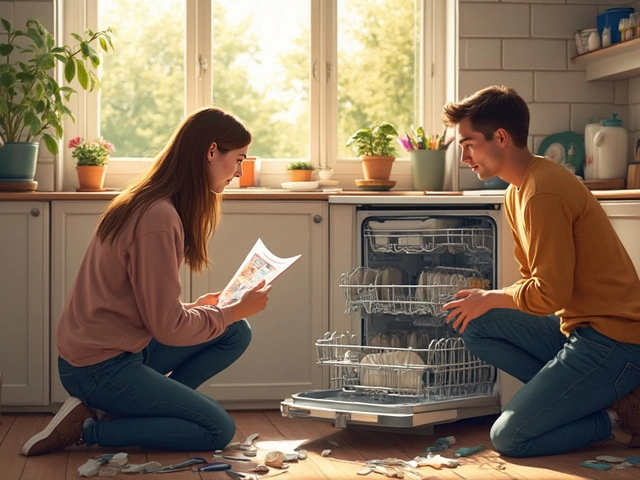
When your dishwasher starts acting up, a quick, accurate diagnosis can save you from bigger headaches and pricey repairs. This article walks through simple methods to spot dishwasher problems, from weird noises to stubborn leaks. You'll learn what to check first, how to tell if it's a DIY fix, and when it's time to call in a pro. Handy tips and real-life examples make this guide easy to follow, even if you're not a born handyman. Don't let a small hiccup become a kitchen disaster — know what to look for and act fast.
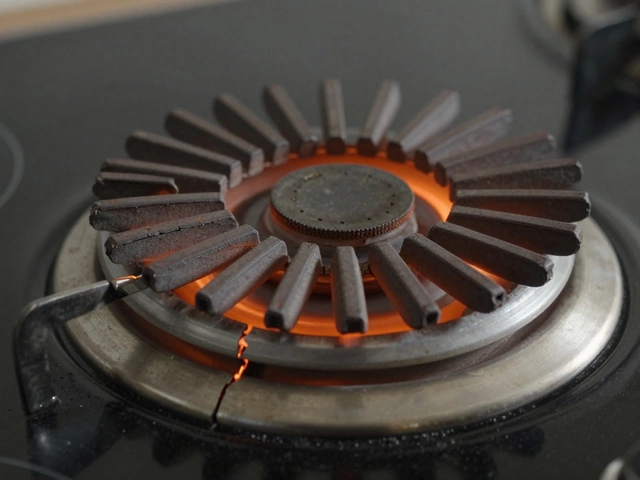
Learn how to tell if your electric stove element is bad with simple visual checks, multimeter tests, and common signs of failure. Save money by diagnosing and replacing it yourself.

Refrigerators are a crucial part of our daily lives, and when they malfunction, it can be a real headache. One of the most common repairs involves fixing the refrigerator's cooling system. Often, issues arise from problems with the condenser coils, which can become dirty or worn out over time. By understanding these common problems, homeowners can better maintain their appliances, potentially saving time and money.

Boiler servicing is an essential aspect of home maintenance that ensures safety and efficiency. While it might seem tempting for homeowners to attempt servicing their own boilers, it's crucial to understand the complexities and risks involved. This article explores whether boiler maintenance can be a DIY project, providing key tips and insights. It offers guidance on what aspects are safe to handle on your own and when to call in a professional.

When your water heater only puts out cold water, it’s more than just annoying—it can point to real problems inside the unit. This article breaks down the most common reasons behind a water heater that refuses to warm up, from tripped breakers to busted heating elements. You’ll find tips on quick checks you can do at home before calling a pro, plus some unexpected facts about how water heaters really work. Knowing what’s wrong can save you from a frigid morning shower and a giant repair bill. Get ready to tackle that cold water problem with practical advice you can use right away.