

Sticky, greasy fans are a nightmare. They make the air smell bad, work harder, and can even cause a fire. The good news? Cleaning them yourself is quick and cheap. All you need is a screwdriver, a soft brush, and a bit of patience. Follow these steps and your fan will run like new, saving you money and hassle.
First, turn off the power at the switch or fuse box – safety first. Then remove the cover; most fans have a few screws you can loosen with a standard screwdriver. Once the cover is off, you’ll see the fan blades and a mesh filter. Pull the filter out gently; if it’s really grimy, soak it in hot, soapy water for 10‑15 minutes. While that’s happening, use a soft brush or old toothbrush to brush away dust from the blades and the motor housing. A can of compressed air works well for hard‑to‑reach spots, but a brush does the trick for most homes.
After the filter dries, wipe the blades with a damp cloth. Avoid soaking the motor – just a quick wipe is enough. Re‑assemble the cover, tighten the screws, and switch the power back on. You’ll hear the fan run smoother and notice less noise. Do this every three to six months, and you’ll keep the airflow strong and the kitchen smelling fresh.
Don’t use harsh chemicals like bleach on the motor; they can damage the wiring. Also, never force a stuck cover – a little extra torque can break the plastic. If you see frayed wires, rusted parts, or the fan still runs weak after cleaning, it’s time to call Bognor Regis Appliance Repair Experts. Our technicians can replace worn motors, clean deep‑set grime, and make sure the fan meets safety standards.
Regular fan cleaning not only improves air quality but also extends the life of the appliance. A clean fan reduces the load on the motor, which means fewer breakdowns and lower energy bills. Plus, a well‑maintained fan helps prevent mould growth in bathrooms and keeps grease from building up in kitchen hoods.
Need help with a stubborn fan or want a professional to check the whole ventilation system? Give us a call. We service all fan types in Bognor Regis, from small bathroom extracts to large kitchen hoods. Quick, reliable, and friendly – that’s our promise.
So, grab a screwdriver, set a reminder for the next cleaning, and enjoy a fresh, quiet home. A clean fan does more than move air; it protects your health and your wallet.

Not sure how to keep your extractor fan running smoothly? This guide breaks down the simple steps to service an extractor fan, covering cleaning, inspecting parts, and spotting potential issues. Regular maintenance can extend the life of your fan and ensure your kitchen stays fresh and ventilated. Discover some handy tips and tricks to make this an easy task. No need to call in a professional; you can handle this yourself with a little guidance.
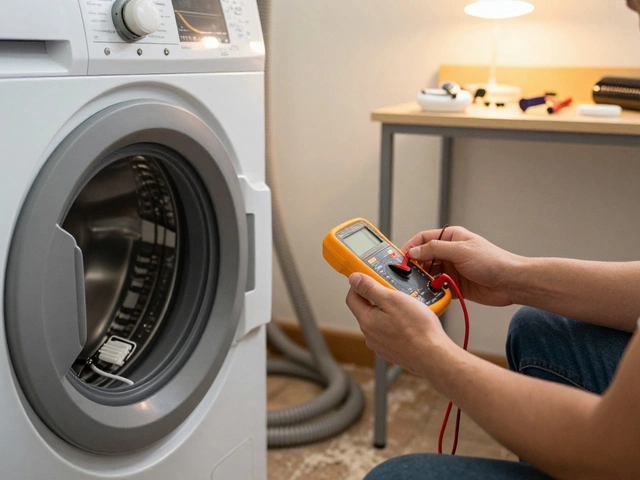
Learn how to fix common dryer problems yourself-no experience needed. Save money and avoid service calls with simple repairs like replacing belts, fuses, and cleaning vents.
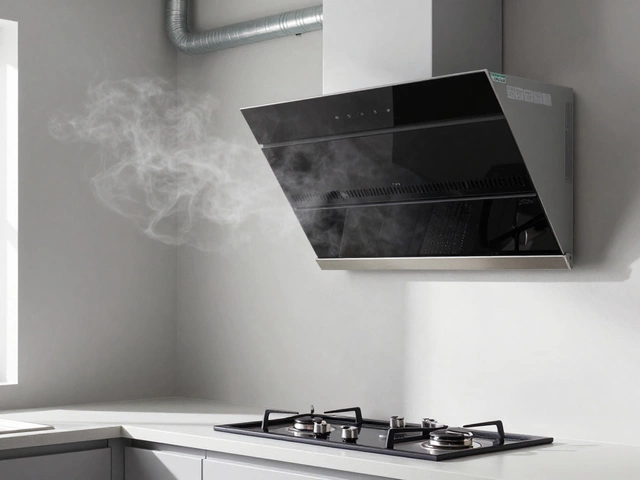
In the UK, you legally need an extractor fan in your kitchen if you have a gas hob or have done major renovations since 2006. Learn what the regulations require and why skipping it could cost you more than installing one.

Navigating the decision between repairing or replacing a 10-year-old stove can be challenging. This article explores various factors including repair costs, the longevity of appliances, and energy efficiency to help homeowners make an informed decision. Additionally, it provides tips and insights on evaluating stove performance and when professional help is warranted. Readers will gain a comprehensive understanding of the practical steps they can take if they find themselves in a similar situation.
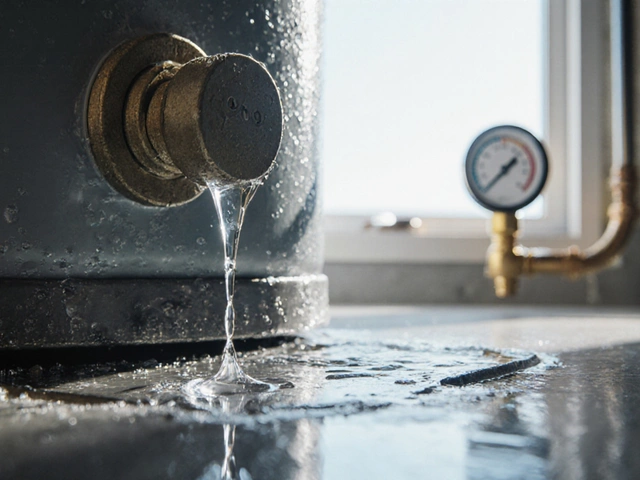
Water heater leaks usually come from five common spots: the pressure relief valve, anode rod, drain valve, tank corrosion, or pipe fittings. Learn where to look and how to fix it before it turns into a flood.

If you’re shopping for a new electric oven or worried about breakdowns, brand reliability matters big time. This article looks at which appliance brands have the fewest reported repairs, backed by recent repair data and real user experiences. You’ll see how different brands compare, which models tend to last, and when it makes sense to spend a little more upfront. Plus, you’ll pick up tips to keep your oven running smoothly, no matter which badge it wears. Everything’s packed in with real talk—no fluff to wade through.