

When dealing with failing hot water heater, an appliance that stops delivering heated water when you need it most. Also known as a broken water heater, it can leave you with cold showers, stalled kitchen prep, and a growing frustration list.
One of the first things to check is the water heater reset, the safety button that shuts off the unit when it overheats. Pressing it repeatedly without solving the underlying issue is a common mistake. Another key factor is the water heater lifespan, the typical service years a unit can provide efficient heat before major parts wear out. Knowing how long a heater should last helps you decide whether a repair makes sense or replacement is smarter. Finally, hot water troubleshooting, the step‑by‑step process of diagnosing why hot water isn’t coming out ties these pieces together – you’ll reset, test, and gauge age before calling a pro.
Most failures stem from three core issues: heating element or burner problems, control box faults, and sediment build‑up. In electric units the heating element can corrode, causing uneven or no heat. Gas heaters rely on a burner and igniter; a clogged pilot or faulty gas valve will stop ignition. Both types use a thermostat that can drift out of range, leading the unit to shut off automatically. When sediment settles at the bottom of the tank, it insulates the water from the heater, forcing the system to work harder and eventually overheat – that’s when the reset button trips.
Another subtle cause is inadequate ventilation for gas models. If the vent pipe is blocked, the burner won’t get enough oxygen, and the system will lock out for safety. Similarly, low water pressure can trigger a safety cut‑off because the heater thinks there’s a flow problem. Checking the pressure gauge and making sure the shut‑off valve is fully open can save you a service call.
Electrical issues also show up as a failing heater. A tripped breaker, loose wiring, or a blown fuse will cut power instantly. If you notice the unit humming but not heating, the element might be getting power but failing to convert it into heat – a clear sign you need a replacement part.
Temperature setting mistakes are easy to overlook. Some users set the thermostat too low to save energy, not realizing the water will never feel hot enough for showers. While this isn’t a mechanical failure, it feels like one. A quick adjustment to 55‑60°C usually restores comfort.
When you combine these points, you get a clear semantic chain: failing hot water heater encompasses water heater reset issues, which are often caused by water heater lifespan wear and hot water troubleshooting steps. Understanding this chain helps you pinpoint the exact step that broke down.
Now that you see the typical culprits, you can run through a quick check list before dialing a technician:
If any of these steps reveal a problem you can’t safely fix, it’s time to call a qualified repair service. Our technicians in Bognor Regis specialize in hot water heater diagnostics, from resetting safety switches to swapping out worn‑out elements. We also handle related gas appliance checks, boiler repairs, and routine maintenance that prolongs your heater’s lifespan.
Beyond immediate fixes, regular maintenance keeps failures from re‑occurring. Flushing the tank once a year removes mineral deposits, resetting the thermostat annually ensures accurate temperature control, and a visual inspection of gas lines catches leaks early. Pair these habits with a yearly service call, and you’ll stretch a typical 10‑15 year water heater well beyond its expected life.
In short, a failing hot water heater isn’t a mystery – it’s a series of predictable points where wear, blockage, or control errors happen. By resetting, checking lifespan indicators, and following a solid troubleshooting routine, you can often solve the issue yourself or at least give the repair person a clear picture of what’s wrong.
Below you’ll find a curated set of articles that dive deeper into each of these areas – from detailed reset guides to lifespan calculations and boiler repair cost breakdowns. Use them as a toolbox to keep your hot water flowing, or to decide when professional help is the smartest move.
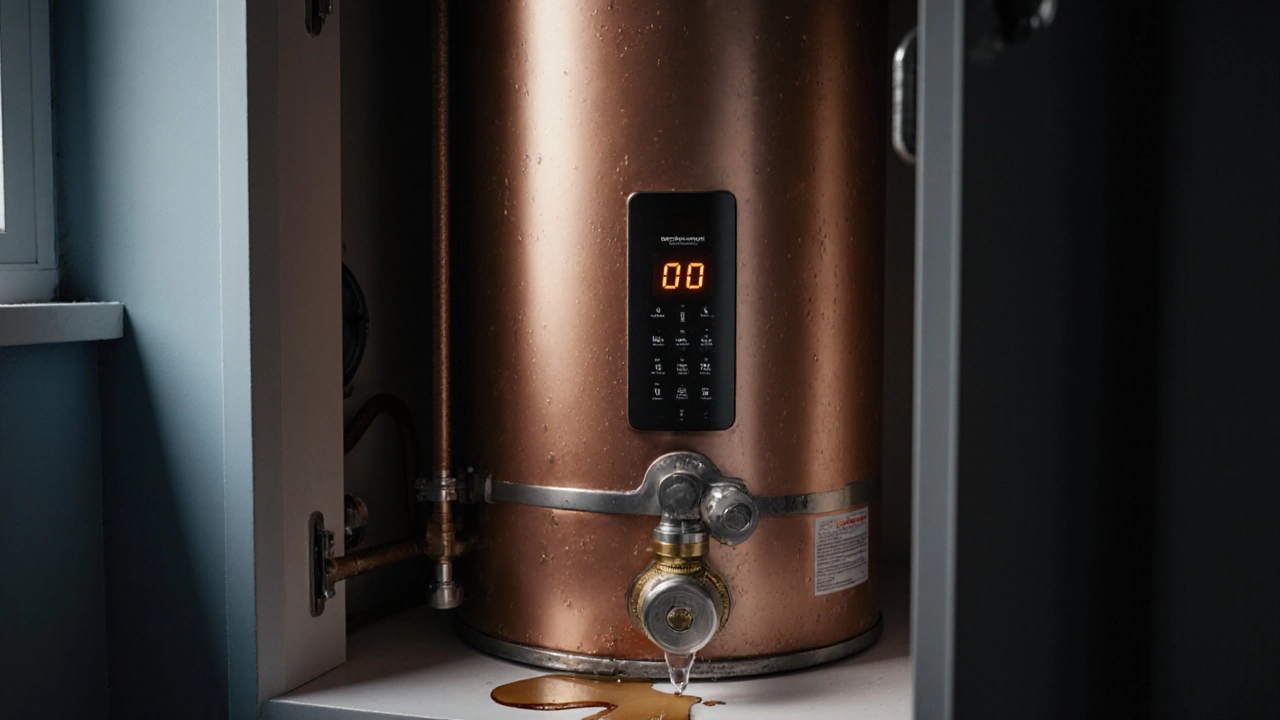
Spot the top warning signs of a failing hot water heater, from strange noises and leaks to temperature swings and error codes, plus practical fixes and when to call a pro.
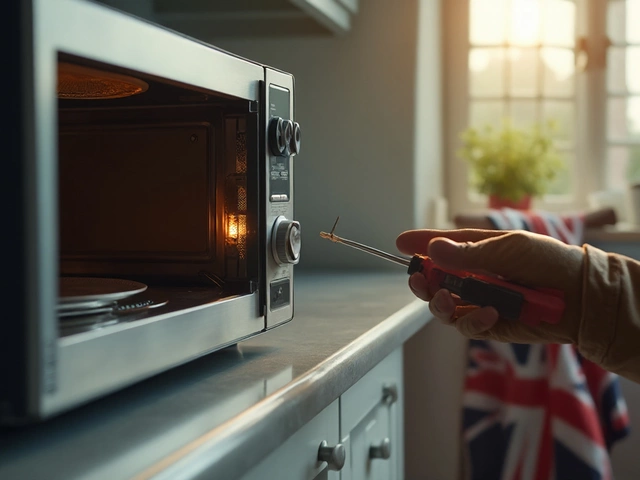
Learn fast how to spot a blown microwave fuse, test it safely, and replace it yourself. Step‑by‑step instructions, tools needed, and common pitfalls covered.

Is fixing a 4-year-old dishwasher actually worth it? Get honest advice, money-saving tips, and clear facts for making the smartest call.

Cracks in electric hobs can show up suddenly and cause real headaches in the kitchen. This article looks at why electric hobs crack, from common mistakes to sneaky issues with installation. You'll get practical tips on how to prevent damage and handle minor cracks. Find out when you can fix a hob yourself and when it's smarter to call for professional help. Stay ahead of costly repairs and keep your cooking space safe.

Plumbers can install extractor fan ductwork, but only electricians can legally wire them. Learn who to call for safe, code-compliant installation and how to avoid costly mistakes.
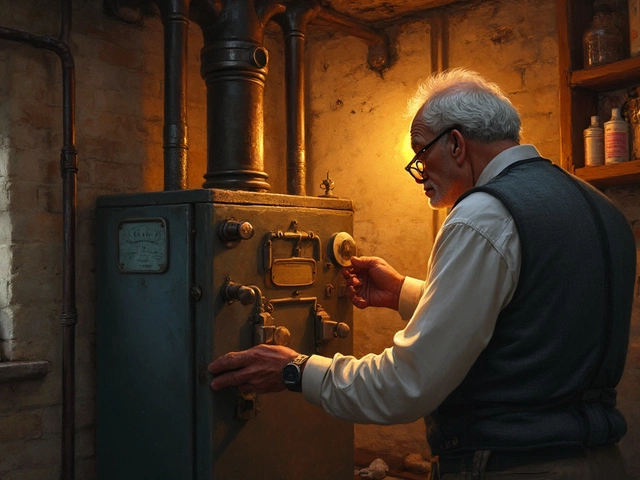
Boiler lifespan can vary greatly depending on usage, maintenance, and type. On average, boilers last anywhere from 10 to 15 years. Regular maintenance is key to prolonging the life of your boiler and ensuring it functions efficiently. In this article, discover how to keep your boiler in top shape and when it might be time to replace it.