

If your kitchen smells like yesterday’s dinner, it’s probably time to replace the extractor fan. A good fan pulls steam, smoke, and odors out of the room, keeping things fresh and safe. The good news? Swapping it out is a job most homeowners can do in an afternoon with just a few tools.
Gather these basics so the job runs smoothly:
Turn off the power at the breaker before you touch any wires – safety first.
1. Remove the old fan. Unscrew the front grill, then detach the fan housing from the cabinet. Most units are held by a couple of screws and a simple mounting bracket.
2. Disconnect the wiring. You’ll see a short cord with three wires – live, neutral, and earth. Loosen the wire nuts, separate the wires, and cap them with electrical tape.
3. Take out the old motor. Lift the motor assembly out of the vent pipe. If the pipe is glued, gently twist to loosen it. Keep the old fan nearby so you can compare sizes.
4. Prepare the new fan. Match the new fan’s mounting holes with the cabinet. Some models come with a universal bracket; attach it if needed.
5. Connect the new wiring. Match the live (brown), neutral (blue), and earth (green/yellow) wires and secure them with fresh wire nuts. Double‑check that the connections are tight.
6. Install the fan. Slide the new motor into the vent pipe, align the mounting bracket, and screw everything back into place. Make sure the fan sits flush against the cabinet to avoid rattles.
7. Test it. Turn the breaker back on and switch the fan on. You should hear a steady hum and feel airflow through the vent. If it’s quiet or doesn’t spin, double‑check the wiring and the motor’s orientation.
Cleaning the fan’s blades and the vent pipe every few months will keep it running efficiently.
If at any point the wiring looks damaged, the vent pipe is corroded, or the fan doesn’t match the old size, it’s wise to call an appliance repair professional. A qualified technician can handle complex wiring, ensure the fan meets local building codes, and avoid costly mistakes.
Replacing an extractor fan isn’t rocket science, but it does need a bit of patience and attention to detail. With the right tools and this guide, you can get your kitchen breathing again without waiting for a service call.

Wondering how often you should replace your extractor fan? This article covers extractor fan lifespan, signs it's time for a change, maintenance tips, and why fresh air matters.

Thinking about swapping out your old extractor fan? This guide digs into how easy (or not) it really is to replace an extractor fan in your bathroom or kitchen. Get the lowdown on what tools you'll need, common surprises people miss, and what makes some fans trickier than others. If you're not sure when to call in a pro, we've got your back there, too. Get ready for a clear, no-nonsense breakdown.

Replacing an extractor fan might seem challenging, but with the right tools and some guidance, it can be done efficiently. This guide outlines the process of replacing an extractor fan, from identifying signs it needs replacement to understanding how to choose the right model. Learn practical tips for handling installation and maintaining safety during the project. Make this task more approachable with easy-to-follow steps designed for beginners.

Flushing your water heater is an essential maintenance task that can extend its lifespan and improve efficiency. As water heaters age, sediment and minerals build up, potentially leading to costly repairs or irreparable damage. Learn how often you should flush a ten-year-old water heater and whether it's worth considering professional help. Discover practical tips and insights for maintaining this critical home appliance effectively.
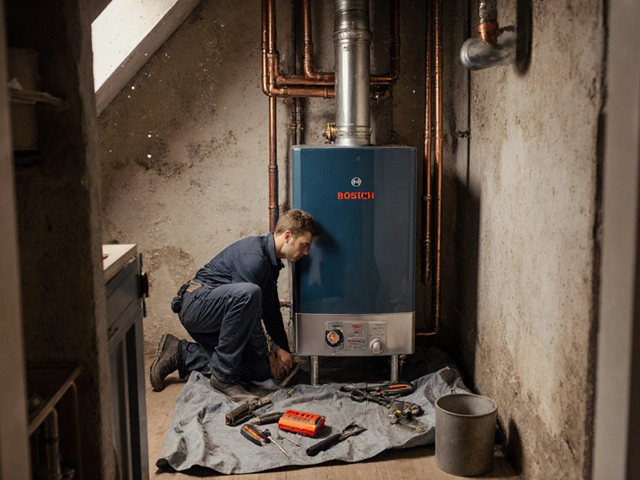
Replacing a boiler costs thousands because it's not just the unit-it's labour, safety checks, pipe upgrades, and compliance. Learn why this big investment is necessary and how to avoid overpaying.

Curious if you can fix your boiler yourself? This detailed guide covers common boiler problems, easy repairs you can tackle, and when to leave it to the pros.
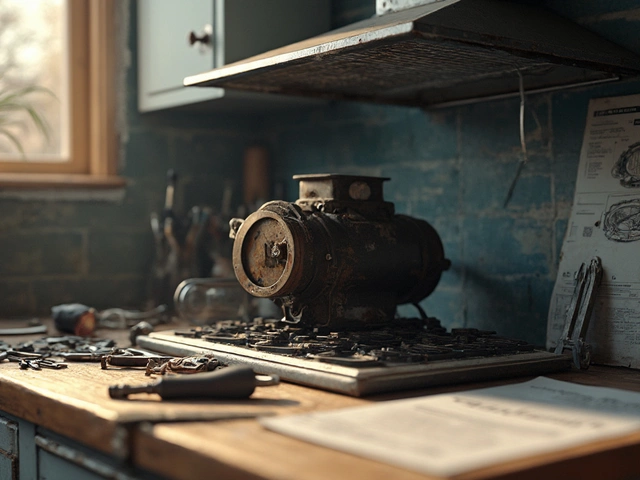
Thinking about swapping out the motor in your extractor fan? This article breaks down what's really involved, the red flags that mean the motor's cooked, and how to decide if you should tackle it yourself or call in a pro. It covers how to find the right replacement part, tips to avoid shocking mistakes, and why some fans just aren’t worth fixing. Whether your bathroom fan wheezes or your kitchen extractor hums like a jet, here’s how to handle a motor on its last legs.

Wondering how often you should replace your extractor fan? This article covers extractor fan lifespan, signs it's time for a change, maintenance tips, and why fresh air matters.