

When your extractor fan, a ventilation device installed in kitchens and bathrooms to remove steam, smoke, and odors. Also known as extraction fan, it plays a quiet but essential role in keeping your home healthy and mold-free. stops working, it’s not just annoying—it can lead to damp, bad air, and even long-term damage to walls and ceilings. Most extractor fans fail for simple reasons: a clogged filter, a worn motor, or a broken switch. You don’t always need a technician. Many fixes can be done in under an hour with basic tools.
One of the most common issues is dust and grease buildup, a sticky layer that clogs the fan blades and reduces airflow. If your fan is loud or spins slowly, clean the grille and remove the filter. Most filters are washable—just soak them in warm soapy water, rinse, and let them dry. A dirty fan works harder, wears out faster, and uses more electricity. Another frequent culprit is the fan motor, the part that spins the blades and often fails after years of constant use. If the fan hums but doesn’t turn, the motor is likely dead. Replacing it costs less than £50 and takes about 30 minutes if you’re comfortable with a screwdriver.
Don’t ignore a fan that turns on and off randomly—that’s usually a faulty switch or wiring, often caused by moisture damage or loose connections. Check the power supply at the fuse box and look for frayed wires behind the unit. If you smell burning or see discolored plastic, stop using it immediately. Electrical faults in extractor fans can be dangerous, and it’s better to call a qualified electrician than risk a fire.
Some people think extractor fans are just for kitchens, but they’re just as important in bathrooms. Moisture buildup leads to mold, which can trigger allergies and damage plaster. A working fan keeps air moving and protects your home’s structure. Whether you’re dealing with a noisy range hood or a silent bathroom vent, the fix is usually simple—if you know where to look.
The posts below cover real-world cases from homes in Bognor Regis: why fans stop working, how to clean them safely, when to replace parts, and what to look for when buying a new one. You’ll find step-by-step fixes for common models, cost estimates for motor replacements, and tips to avoid the same mistake twice. No fluff. Just what actually works.
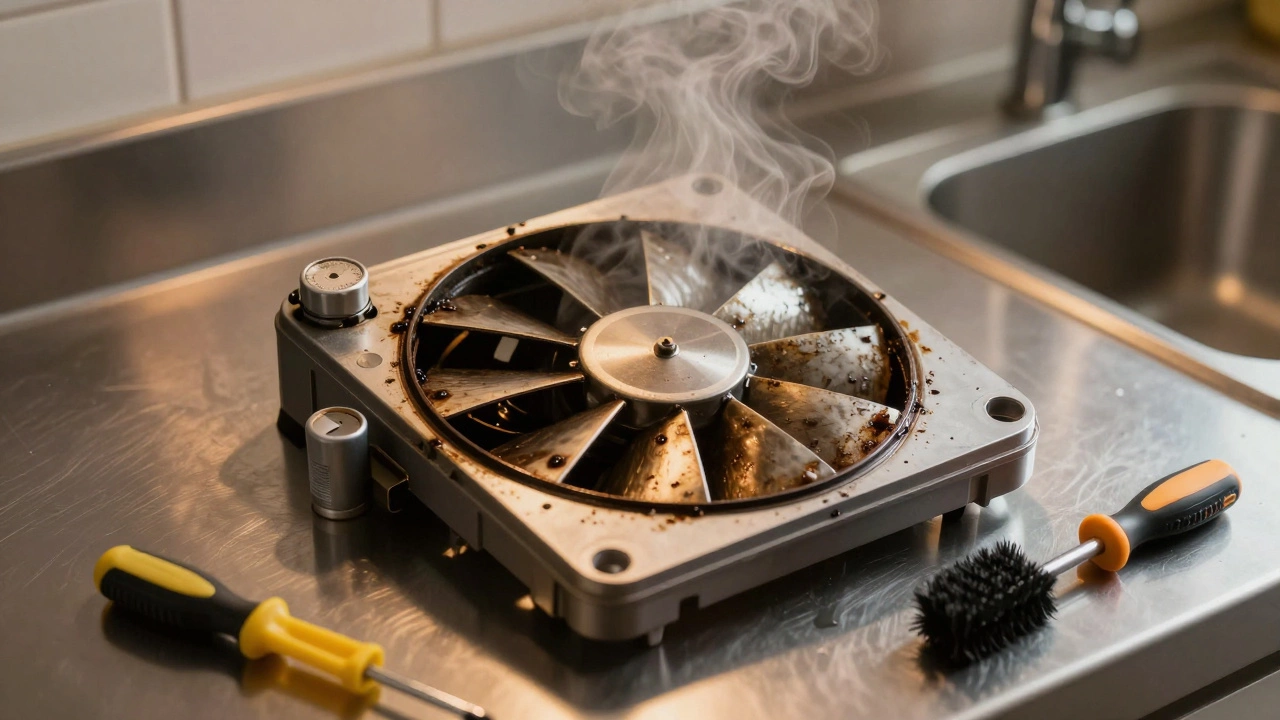
Most extractor fans can be repaired with simple fixes like cleaning, capacitor replacement, or tightening parts. Learn when DIY works and when to call a pro to avoid costly damage from damp and mold.
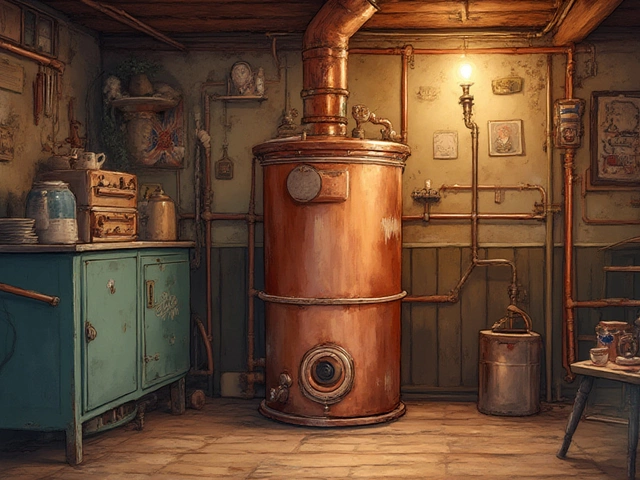
Is it possible for a hot water heater to last 30 years? Here’s a detailed look at what determines water heater longevity, what rare cases look like, and how you can extend your heater’s life with smart habits.

Why would a freezer suddenly stop working? This article uncovers the most common reasons, from electrical hiccups to sneaky broken parts. Get clear tips to troubleshoot on your own before calling in the pros. You'll also find surprising facts—like a forgotten coin trick to check freezing power. Whether it's food loss or a mystery beep, you'll get straight answers and a path to a cold fix.
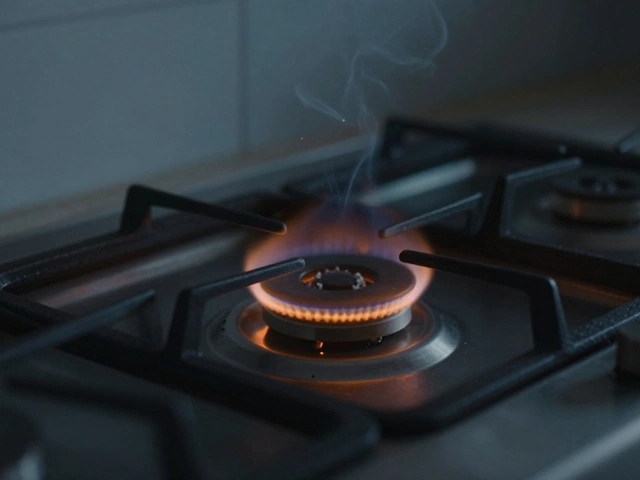
A bad gas oven igniter won't always fail completely. Watch for slow lighting, gas smells, weak flames, or no glow at all. These signs mean it's time to replace the igniter before gas leaks or the oven stops working entirely.

Maintaining a boiler goes beyond just an annual check-up. Regular maintenance ensures that your heating system runs efficiently, prolonging its lifespan and saving money on repairs. This article delves into necessary care tips, signs indicating a need for professional help, and actions homeowners can take to keep their boilers in top shape. Understanding the importance of each maintenance task can help prevent unexpected breakdowns, especially during colder months.

Deciding whether to repair or replace your oven? We break down the 2026 UK costs, the 50% rule, and hidden expenses to help you choose the most cost-effective option for your kitchen.