

When the shower turns cold out of the blue, it’s usually the water heater that’s on the brink. The good news? You can add years to its lifespan with a few easy habits. In this guide we’ll cover the most useful tricks – no fancy tools, just common‑sense steps that anyone can follow.
Mineral sediment builds up over time, especially in hard‑water areas. The buildup reduces heating efficiency and can cause rust. A simple flush once a year clears the sludge and restores performance. Shut off the power or gas, attach a garden hose to the drain valve, open the valve, and let the water run until it’s clear. Let the tank fill back up, then turn the power back on. This quick routine can shave years off wear and tear.
The sacrificial anode rod stops the tank from corroding inside. Over a few years it gets eaten away and needs replacing. Locate the rod (usually on top), unscrew it, and inspect. If it’s less than 1/2 inch thick or looks heavily corroded, swap it for a new one. Doing this every 2‑3 years protects the tank’s interior and keeps leaks at bay.
Set the thermostat to around 120 °F (49 °C). Higher settings don’t make water hotter enough to matter, but they do waste energy and speed up wear. A lower temperature also reduces the risk of scalding. If you notice hotter water than usual, the thermostat may be stuck – a quick reset can solve the issue.
Insulate the tank and the first few feet of piping. An inexpensive blanket wrap cuts heat loss, which means the heater doesn’t have to work as hard. Make sure any insulation you use is rated for high temperatures, and keep the top of the tank uncovered for venting.
Watch for early warning signs: rumbling noises, rusty water, or water taking longer to heat. These symptoms usually point to sediment or a failing part. Addressing them early, such as by flushing or replacing the anode, prevents full‑scale failure.
Schedule a professional inspection every couple of years. A qualified technician can test the heating elements, pressure relief valve, and overall safety. Even if you handle most DIY tasks, a pro’s check keeps everything up to code and catches hidden problems.
Finally, avoid over‑loading the heater. Running multiple hot‑water appliances at once forces the unit to cycle more often, increasing stress. Spread out laundry, dishwasher, and shower use when possible, especially during colder months.
By flushing the tank, keeping the anode healthy, setting the right temperature, adding insulation, and listening for odd sounds, you’ll get many more years of hot water. Small habits today save you from an unexpected cold shower – and a pricey replacement – later.
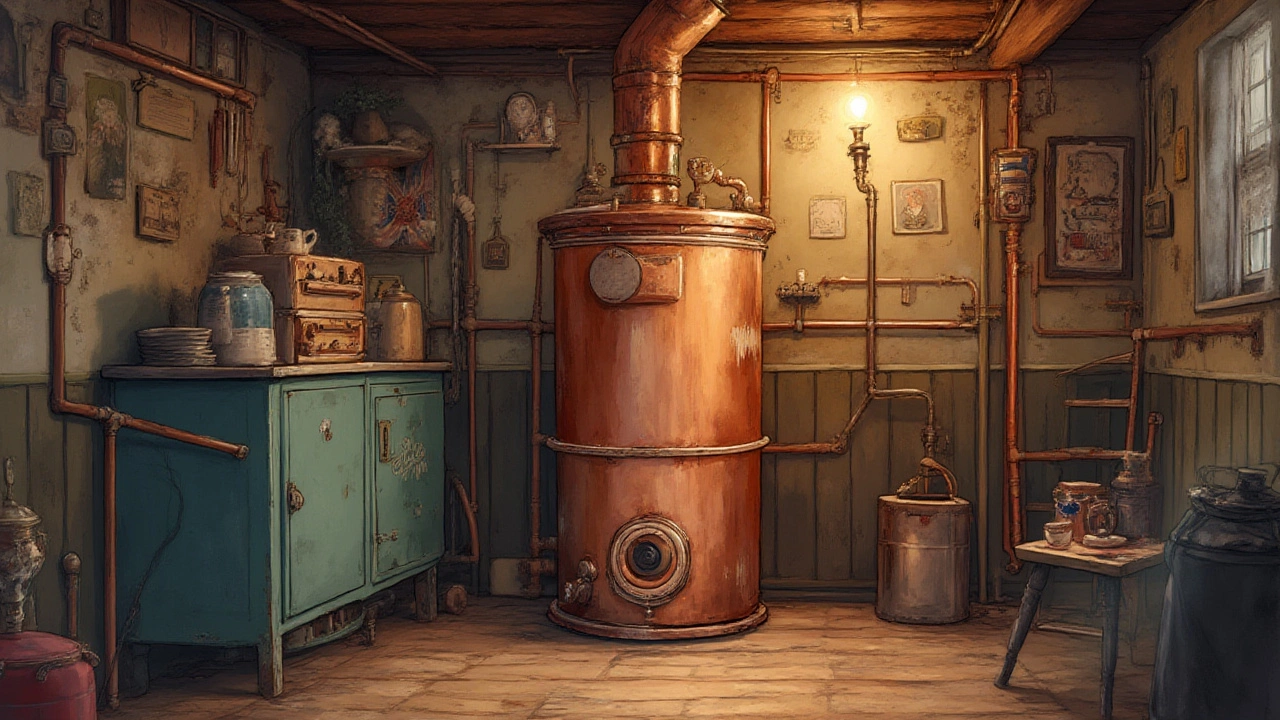
Is it possible for a hot water heater to last 30 years? Here’s a detailed look at what determines water heater longevity, what rare cases look like, and how you can extend your heater’s life with smart habits.
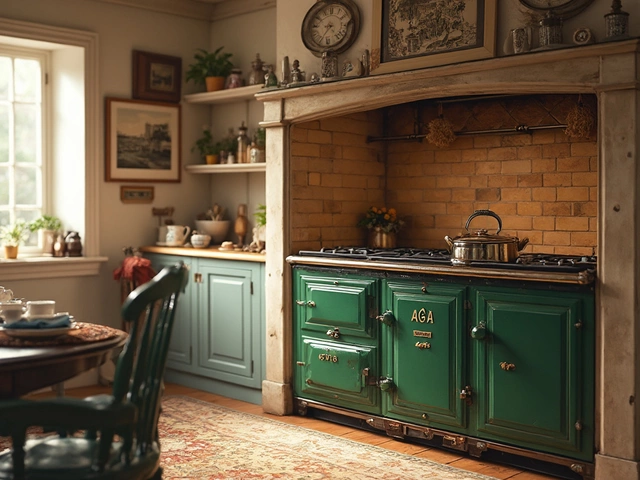
Ever wondered how long your trusty range oven will last? On average, a well-maintained range oven can serve you for about 10 to 15 years. Routine cleaning and minor repairs can help extend its lifespan. Knowing when to repair or replace your oven is crucial for efficiency and safety. Read on for practical tips to make sure your oven lasts as long as possible.

Wondering how long you can cope with a broken boiler? Get clear facts, repair timelines, survival tips, and legal details so you don’t get left in the cold.
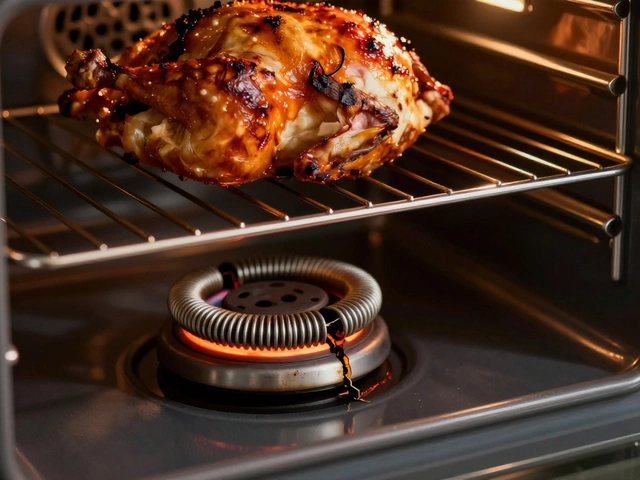
Discover if replacing your oven heating element is cost-effective compared to buying a new appliance. We break down repair costs, DIY steps, and signs of failure to help you decide.
Find out when repairing your dryer isn’t the smart move. Learn real signs, safety warnings, and how to choose between fixing and just getting a new one.
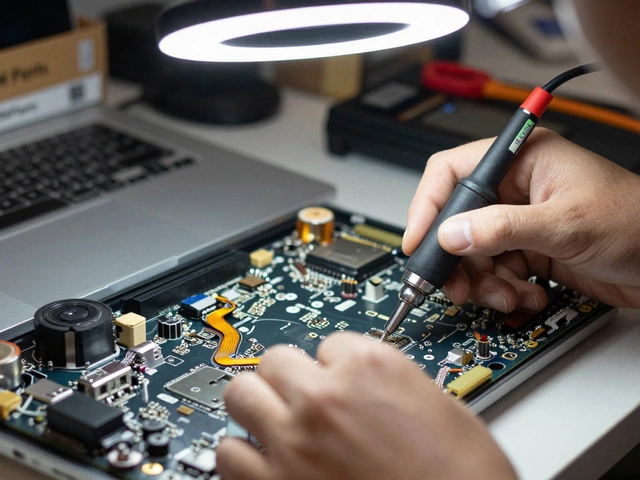
Discover why laptop repair costs have skyrocketed. From genuine parts pricing to skilled labor rates, we break down the real expenses behind every quote.