

If you’ve ever called a repair tech and heard a price that made you wince, you’re not alone. Certain components simply cost more because they’re hard to make, need special tools, or are critical to the appliance’s operation. Knowing which parts fall into this pricey group can save you time, money, and stress.
Manufacturers often use patented designs or rare materials for parts that keep a fridge cold, a heat pump running, or an oven heating evenly. A compressor in a fridge or a heat‑pump motor, for example, is built to last years under constant pressure, so the cost reflects the engineering and testing that go into it. In addition, the labour to remove and install these parts can be higher because technicians need special tools or extra safety steps.
Before you agree to a quote, ask if the part can be repaired instead of swapped out. A cracked oven heating element might be soldered back, saving you half the price of a brand‑new one. On the other hand, a broken boiler heat exchanger is rarely fixable – replacement is usually the only safe option. A good rule of thumb: if the part is under three years old and the appliance is still under warranty, push for a repair or a covered replacement.
Getting a second opinion never hurts. Call another local repair service and compare quotes. Make sure each quote lists the part cost, labour, and any extra fees. Some shops bundle the price, while others itemise it – the transparent breakdown helps you spot hidden charges.
Common pricey components include:
When you see a quote for any of these, ask the technician to explain why the part is needed and whether a refurbished unit is an option. Refurbished parts are tested, come with a short warranty, and can cut the cost by up to 30%.
Maintenance is the cheapest defence against pricey parts. Regularly clean lint filters, descale water heaters, and keep vents clear. A well‑maintained appliance runs cooler, reducing stress on components that would otherwise wear out faster.
If you’re stuck between repairing and replacing, think about the appliance’s age and energy efficiency. A ten‑year‑old fridge with a failing compressor often uses more electricity than a newer model, so replacing the whole unit might save you money in the long run.
Bottom line: don’t accept the first price you hear. Ask about repairs, refurbished options, and warranty coverage. Compare quotes, keep records, and stay on top of routine maintenance. With a little homework, you can keep those expensive parts from breaking the bank and get your home running smoothly again.
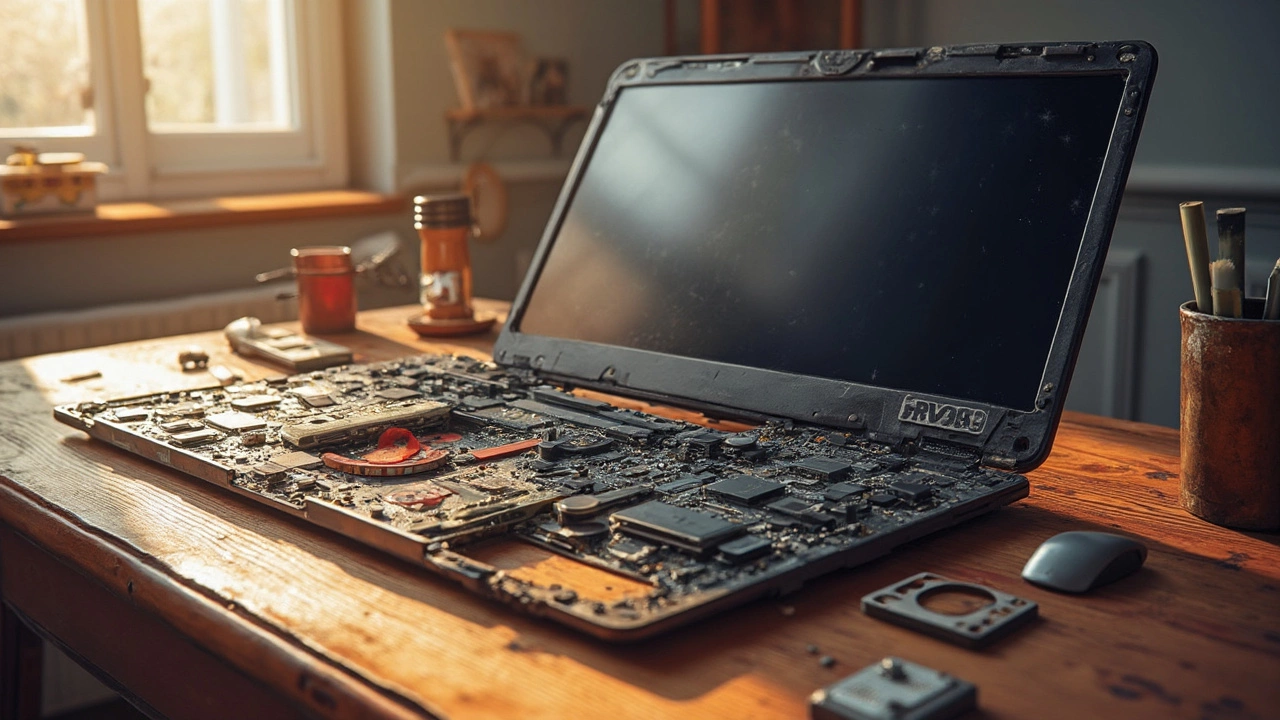
Fixing a laptop can often be a costly affair, with some components surprisingly pricey to replace. This article explores which part of a laptop typically incurs the highest repair costs and why. We dive into details like the high expense of screen and motherboard repairs, offering insights into why these parts hit the wallet hardest. Gain practical advice on maintaining your laptop to avoid these hefty bills in the first place, and discover some curious facts about common laptop repairs.
Water heaters are essential fixtures in homes, providing warm water for daily needs. Understanding their lifespan can help homeowners plan for replacements and avoid unexpected cold showers. Depending on the type and maintenance, a water heater can typically last between 8 to 12 years. Regular inspections and upkeep can potentially add years to a water heater's lifespan.
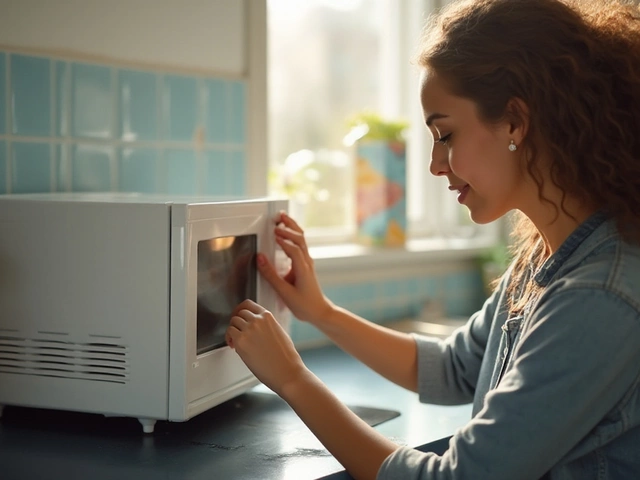
Microwave ovens, essential kitchen appliances for many households, can sometimes fail to operate smoothly. This article dives into the intricacies of microwave repair, exploring common issues, troubleshooting methods, and practical repair tips. Designed for both amateur DIY enthusiasts and curious individuals, the guide offers insights into understanding microwave components and determining when professional help is necessary. Learn the skills needed to fix minor problems and tips to maintain the efficiency of your microwave.
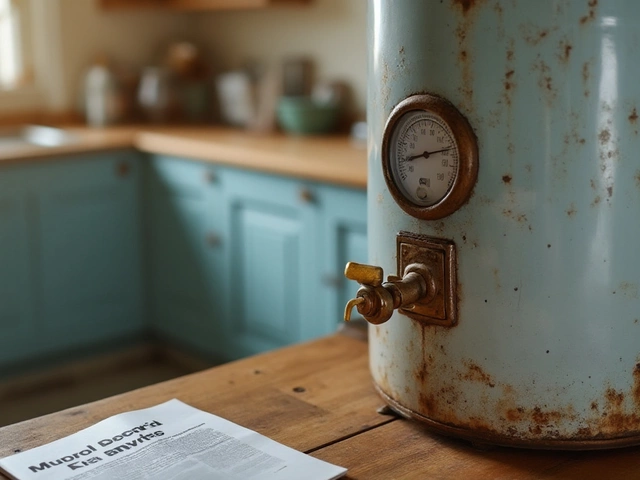
Determining when your hot water heater needs replacement isn't always straightforward. This guide explores key signs such as irregular water temperatures, strange noises, and age that might indicate it's time to get a new unit. Understanding these signs not only ensures a reliable hot water supply but also prevents potential damage and higher energy bills. Additionally, we discuss some tips for maintenance to prolong the life of your current system.
If your electric oven suddenly stops working, don't panic. This article explores common issues with electric ovens and provides practical tips for troubleshooting and repair. From understanding how different components work to knowing when it's time to call a professional, you'll find the go-to advice you need to get your oven back in working order. Avoid the hassle of guesswork and get straightforward guidance on keeping your kitchen running smoothly. Practical insights on oven maintenance await you.
Figuring out whether to repair or replace a 10-year-old range can save money and hassle. This article explores cost considerations, common issues, and when to opt for repair versus replacement. Additionally, discover maintenance tips to extend your range’s life. Make informed decisions with a detailed look into repair pros and cons. Navigate the world of kitchen appliances with confidence.