

If you’ve ever gotten a quote that made you stare at the ceiling, you know what an "expensive fix" feels like. The good news is you don’t have to accept every high price. By understanding why costs climb, you can decide whether to repair, replace, or try a simple DIY tweak.
First, parts for older models can be hard to find. A heat pump that’s 12 years old, for example, may need a rare compressor that costs as much as a new unit. Second, labor rates for specialised trades—like a certified Gas Safe engineer for boiler work—are higher than a standard electrician. Finally, safety regulations add steps and testing, especially for gas or high‑voltage appliances, which pushes the bill up.
Ask yourself three questions: Is the appliance still under warranty? How old is it compared to its typical lifespan? And what’s the repair cost as a percentage of a new unit?
For a washing machine, the average life is about 10‑12 years. If yours is 11 years old and the motor repair costs £250, a new machine at £450 is a smarter move. On the other hand, a 4‑year‑old dishwasher with a faulty pump costing £120 to replace is usually worth fixing.
Heat pumps follow a similar rule. If an air‑source unit needs a new fan motor (£300) and is only 7 years old (lifespan 15‑20 years), repair makes sense. But a ground‑source pump hitting 18 years may be cheaper to replace.
Electric ovens are another spot where costs spike. Replacing a faulty element can be £80‑£120. If the oven is over 15 years, the chassis might be corroded, and a brand‑new oven could be a better investment.
When you’re unsure, use the "50% rule": if repair costs exceed half the price of a comparable new appliance, replace it. This rule isn’t perfect, but it stops you from over‑paying for a dying product.
Sometimes a simple maintenance step avoids an expensive fix. Flushing a water heater once a year can prevent costly sediment buildup that forces a full replacement. Likewise, cleaning the condenser on a fridge regularly keeps the compressor running longer.
If you love DIY, start with low‑risk jobs. Swapping out an oven element, changing a hob burner, or replacing an extractor fan are tasks most homeowners can handle with basic tools. You’ll save on labour and learn what’s actually broken before you call a pro.
When the repair involves gas, high voltage, or sealed system components, call a qualified specialist. Attempting a DIY on a boiler or heat pump can be dangerous and may void insurance.
Bottom line: not every pricey quote means you have to spend big. Evaluate age, part availability, and the 50% rule, then decide whether a repair or a replacement gives the best bang for your buck.

Discover what makes some refrigerator repairs more costly than others. From compressor issues to electronic faults, fixing these problems can hit your wallet hard. We'll uncover why some are pricier than others and offer tips on how to avoid them. Learn about preventive measures to save you money in the long run. This guide is a must-read for every fridge owner looking to keep repair costs at bay.

Find out how much boiler repair costs in 2025, what factors affect the price, typical price ranges, and tips to get fair quotes and save money.
A failing water heater element can leave you in the chilly lurch just when you need a warm shower. Learn how to diagnose the problem with simple, straightforward steps. This guide covers common symptoms, testing methods, and practical tips for handling a faulty element. We'll explain what's involved and offer insights for DIY repair or knowing when to call a professional.

Water heaters don't last forever, so it’s important to know how long yours might stick around. Generally, these devices are built to last about 8 to 12 years, but several factors can influence their longevity. By understanding signs of wear, maintenance tricks, and when it's time to say goodbye to your old model, you can ensure hot showers won't become a thing of the past. Let's break down everything you need to know about your water heater's lifespan.
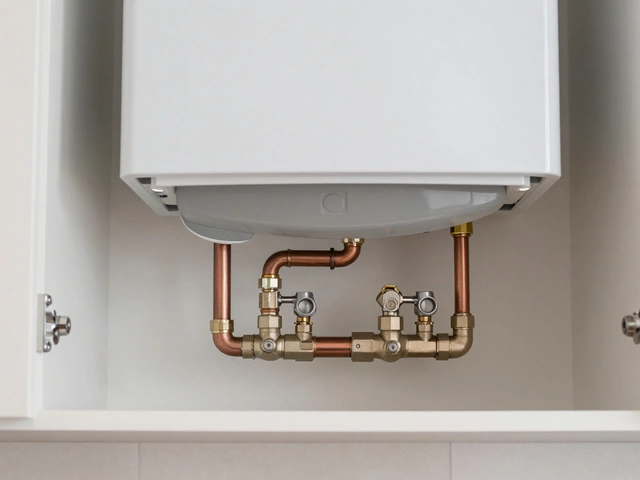
Wondering why boiler replacement is so expensive? We break down the costs of hardware, Gas Safe labor, and system upgrades to explain where your money actually goes.
Thinking about whether to repair an 8-year-old oven? This article digs into the real costs and benefits, from repair bills to how long ovens actually last. You'll get tips on diagnosing simple issues yourself, signs to look for before calling a pro, and how energy efficiency compares between old and new models. See how warranties, brand reputation, and parts availability impact the final call. Get advice that’s practical, straight-up, and doesn’t waste your time.