

When your exhaust fan, a device that pulls steam, smoke, and odors out of kitchens and bathrooms. Also known as extractor fan, it keeps your home air clean and prevents mold buildup. stops working, it’s not just annoying—it’s a health risk. Moisture builds up, walls get damp, and mildew starts growing. Most people assume it’s a simple fix, but the problem could be the motor, the switch, the wiring, or even a blocked duct. Knowing what’s wrong saves time and money.
Many extractor fans, common in UK kitchens and bathrooms, often fail due to age, dust buildup, or motor wear. last 8 to 12 years. If yours is older than that, a new one might cost less than a repair. But if it’s under 5 years old and just making noise or not pulling air, it’s likely a clogged filter, loose blade, or bad capacitor—things a technician can fix in under an hour. The fan motor, the core component that spins the blades and moves air. is the most common failure point. Replacing it costs between £50 and £120, depending on the model. But if the whole unit is cheap and outdated, buying a new one with better energy ratings can save you money long-term.
Don’t ignore signs like loud grinding, slow spinning, or no airflow at all. These aren’t just nuisances—they mean the fan isn’t doing its job. In bathrooms, that means humidity stays trapped, leading to peeling paint and rot. In kitchens, grease builds up on walls and ceilings. Some people try cleaning the blades themselves, but if the motor’s failing, that won’t help. And if the fan’s wired directly into the circuit, DIY fixes can be dangerous without the right tools and knowledge.
You’ll find real repair stories below—from cracked casings and burnt-out switches to full motor replacements. We’ve covered cases where fixing a fan cost less than £80, and others where replacing it with a quieter, smarter model made more sense. Some posts even show how to test if your fan is getting power before calling anyone. Whether you’re dealing with a noisy kitchen extractor or a bathroom fan that won’t turn off, this collection gives you the facts—not guesses.
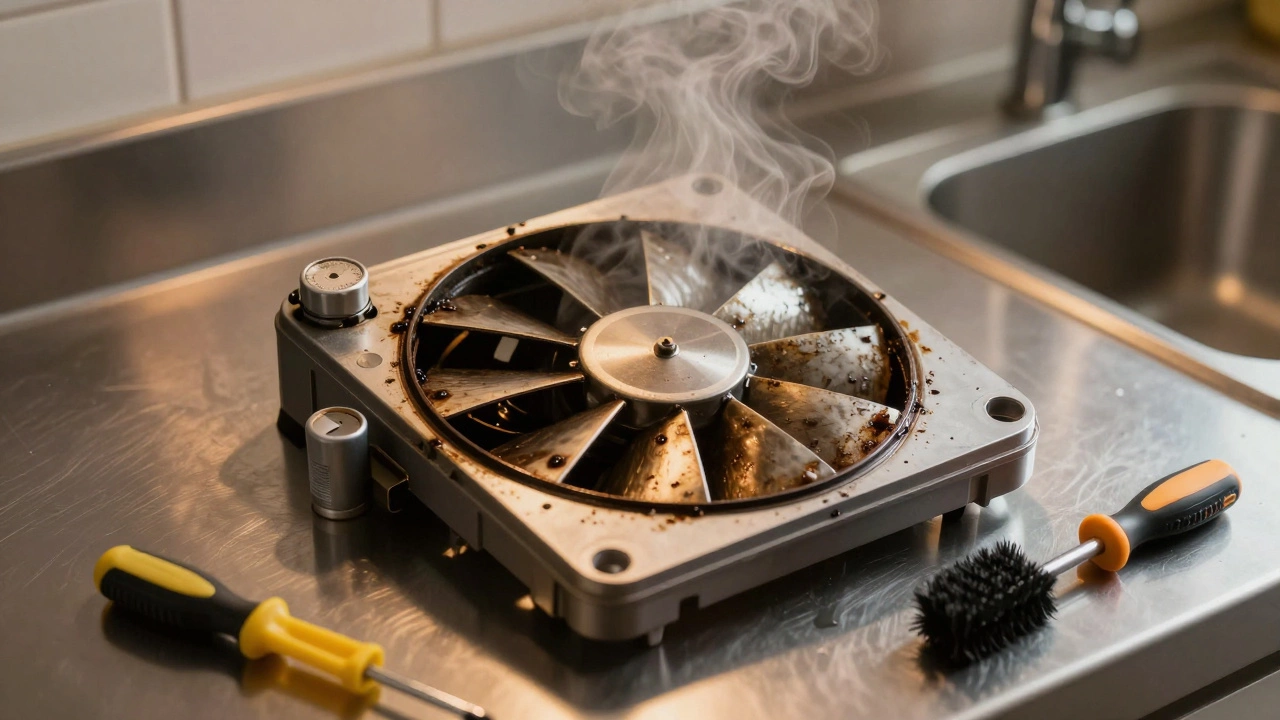
Most extractor fans can be repaired with simple fixes like cleaning, capacitor replacement, or tightening parts. Learn when DIY works and when to call a pro to avoid costly damage from damp and mold.
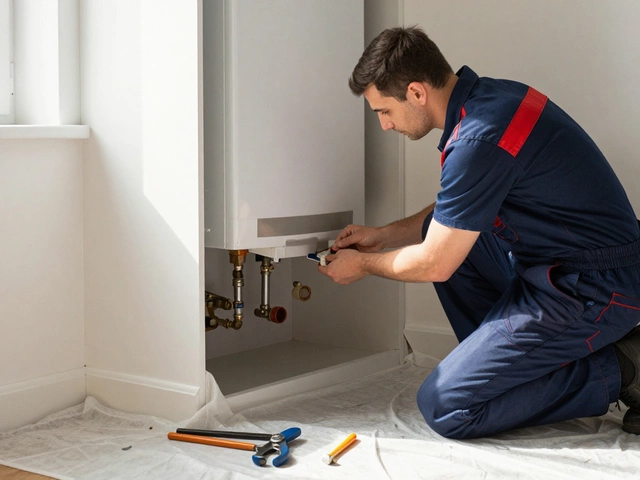
Replacing a boiler in the UK typically takes one to three days, depending on the type of boiler, system complexity, and home layout. Most installs finish in a single day if the new unit is in the same location.

Looking for the right person to service your boiler? Here’s what you need to know about boiler service, finding qualified engineers, costs, and why it matters in 2025.

Gas hobs can suddenly stop working for a bunch of reasons, from ignition troubles to blockages or problems with gas supply. This article breaks down the main causes, so you don't have to guess what went wrong. You'll learn easy troubleshooting steps and a few quirky facts about why these appliances get stubborn. With some quick checks, you might even save yourself a call to the repair guy. Know when it’s a simple fix and when it’s time for a pro.

When your fridge stops cooling, it can be a real worry, especially with all that food at risk. Before you call the repairman, there are a few steps you can try yourself to bring your refrigerator back to life. From checking the thermostat settings to cleaning coils and examining door seals, you might find that a simple DIY fix does wonders. Understanding how these appliances work can also help prevent future hassles. This guide will walk you through the essential tips and tricks to get your fridge cooling again.

Deciding whether to repair or replace a refrigerator can be a puzzling task for most homeowners. Factors like the age of the fridge, the cost of repairs, and energy efficiency play crucial roles in this decision. Getting a new fridge might seem attractive with the latest features, but sometimes repairing your old one is the better choice. Before making a move, it’s essential to weigh the pros and cons to make an informed choice.