

Feeling the pinch of rising energy bills? You don’t need a major overhaul to start saving. Small changes to the way you use and look after your appliances can make a big difference. Below are simple, everyday actions that will help your washing machine, oven, heat pump and water heater run more efficiently.
First, keep your fridge and freezer tidy. Frost build‑up forces the compressor to work harder, so defrost when the ice layer reaches about a centimeter. Clean the coils at the back or underneath – a quick vacuum removes dust that traps heat.
When you cook, match pot size to burner size. A small pan on a big burner wastes heat. Use lids whenever possible; they keep steam inside and cut cooking time by up to 30 percent.
For electric ovens, check the element regularly. A faulty element can cause uneven heating and force the oven to stay on longer. If you notice hot spots or the oven takes longer to pre‑heat, it’s time to replace the element – a 2025‑average cost is around £80‑£120, which is cheaper than running the oven inefficiently.
Your heat pump is a big energy saver, but only if it’s well maintained. Clean the outdoor unit’s fan and remove any leaves or debris each season. Check the filter monthly – a clogged filter reduces airflow and forces the compressor to work extra hard.
When the outside temperature drops below the low‑temp limit for your heat pump (usually around -5°C for air‑source units), switch to a backup electric heater only for a short period. Running the heat pump continuously in extreme cold can raise electricity use sharply.
Water heaters often get ignored. Flushing the tank once a year removes sediment that insulates the heating element, keeping heating efficiency high. Set the thermostat to 60°C (140°F); higher temperatures provide little extra comfort but raise energy use.
If your boiler is older than 10‑12 years, have it serviced. A poorly tuned boiler can waste up to 15 percent of its fuel. A professional check will clean burners, adjust the gas‑air mix and test the pump, ensuring you get the most heat for each unit of fuel.
Lastly, think about timing. Use timers or smart plugs to run dishwashers, washing machines and dryers during off‑peak hours. Many energy suppliers offer cheaper rates at night – shifting a 2‑hour wash can save a noticeable amount on the monthly bill.
By combining regular maintenance with a few habit changes, you’ll see lower energy bills without sacrificing comfort. Start with one tip this week, watch the savings add up, and keep adding more as you go.

Ever wonder if switching your boiler on and off harms it? This article unpacks how boilers handle frequent power cycles, what really wears them out, and when switching off could save you cash or cause problems. Find out the best ways to run your boiler for both safety and savings. Practical tips and real facts—all in plain English. Avoid costly repairs by knowing how to treat your boiler right.
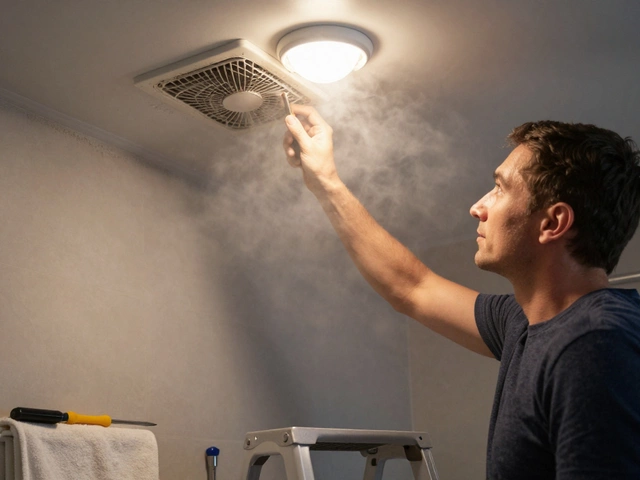
Replacing a bathroom extractor fan is often a simple DIY job that prevents mold and moisture damage. With the right tools and a little care, most homeowners can do it in under two hours. Learn how, what to buy, and when to call a pro.
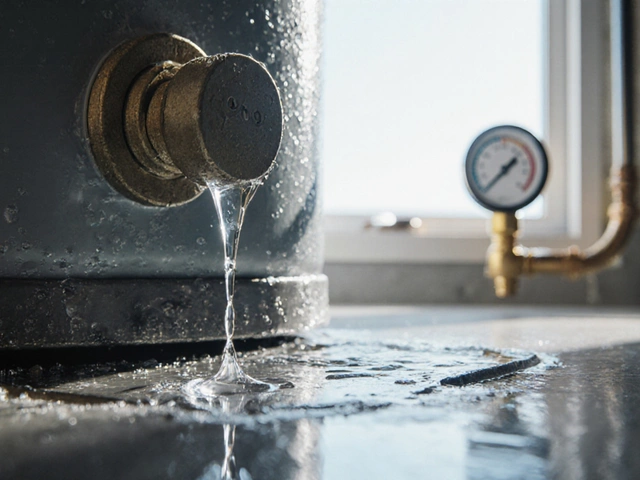
Water heater leaks usually come from five common spots: the pressure relief valve, anode rod, drain valve, tank corrosion, or pipe fittings. Learn where to look and how to fix it before it turns into a flood.

Ready to buy a new dishwasher? Check this guide for 2025's most unreliable dishwasher brands, stories you won't believe, and tested buying tips no one else will give you.
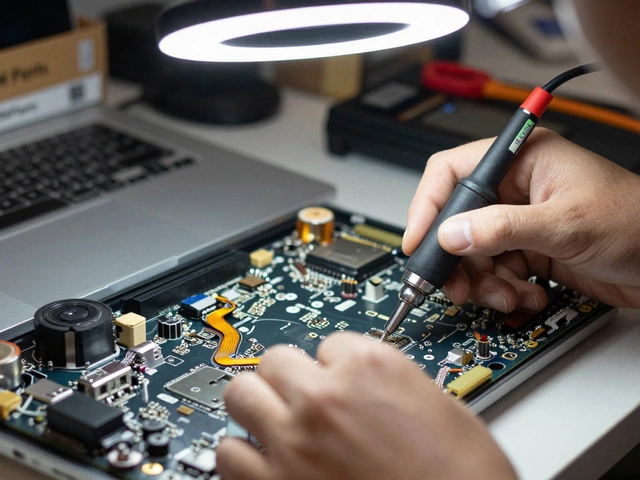
Discover why laptop repair costs have skyrocketed. From genuine parts pricing to skilled labor rates, we break down the real expenses behind every quote.

Discover the workings of a hob, a crucial kitchen fixture that often gets overlooked until it malfunctions. Learn the common issues that can affect its performance and get handy tips on basic repairs and maintenance. Whether you're dealing with burner problems or electrical faults, this guide provides practical advice to keep your hob in top shape. Understand the typical lifespan of these appliances and how to extend it through regular care.