

Heating can eat up a big chunk of your energy bill, but you don’t have to surrender to high costs. A few smart habits and quick fixes can drop your usage while keeping every room comfortable.
Heat pumps pull heat from the outside air or ground and move it inside. Even when it’s chilly outside, they can still work efficiently. To get the most out of a heat pump, clean the outdoor unit twice a year – leaves and dust block airflow and force the system to work harder.
Set the thermostat a couple of degrees lower and wear a sweater indoors. Modern pumps can maintain a steady temperature, so you won’t feel a big drop. If your pump has a “eco” mode, use it; it lowers the compressor speed and still provides enough heat for most homes.
Boilers are the heart of many UK homes. A simple bleed of radiators removes trapped air that makes them run longer. Check the pressure gauge once a month; it should sit between 1 and 1.5 bar when the system is cold.
Annual servicing is a must – a qualified engineer can tidy burners, test the pump, and adjust the gas valve. Regular maintenance can add five to ten years to a boiler’s life and shave off 10‑15% of your heating bill.
Don’t forget the thermostat. A programmable model lets you set lower temperatures at night or when nobody’s home. If you already have one, make sure the settings match your schedule – a “set‑and‑forget” approach often wastes energy.
Insulation works hand‑in‑hand with your heating system. Seal gaps around windows and doors with weather‑stripping. Adding a reflective foil behind radiators pushes heat back into the room instead of sinking into the wall.
Finally, consider a smart heating controller. These devices learn when you turn the heating on and off and can adjust the output automatically. They’re easy to install and usually pay for themselves within a year.
By keeping your heat pump clean, bleeding radiators, checking boiler pressure, and using programmable controls, you’ll notice lower bills and a cozier home. Small actions add up – start with one tip today and watch the savings grow.
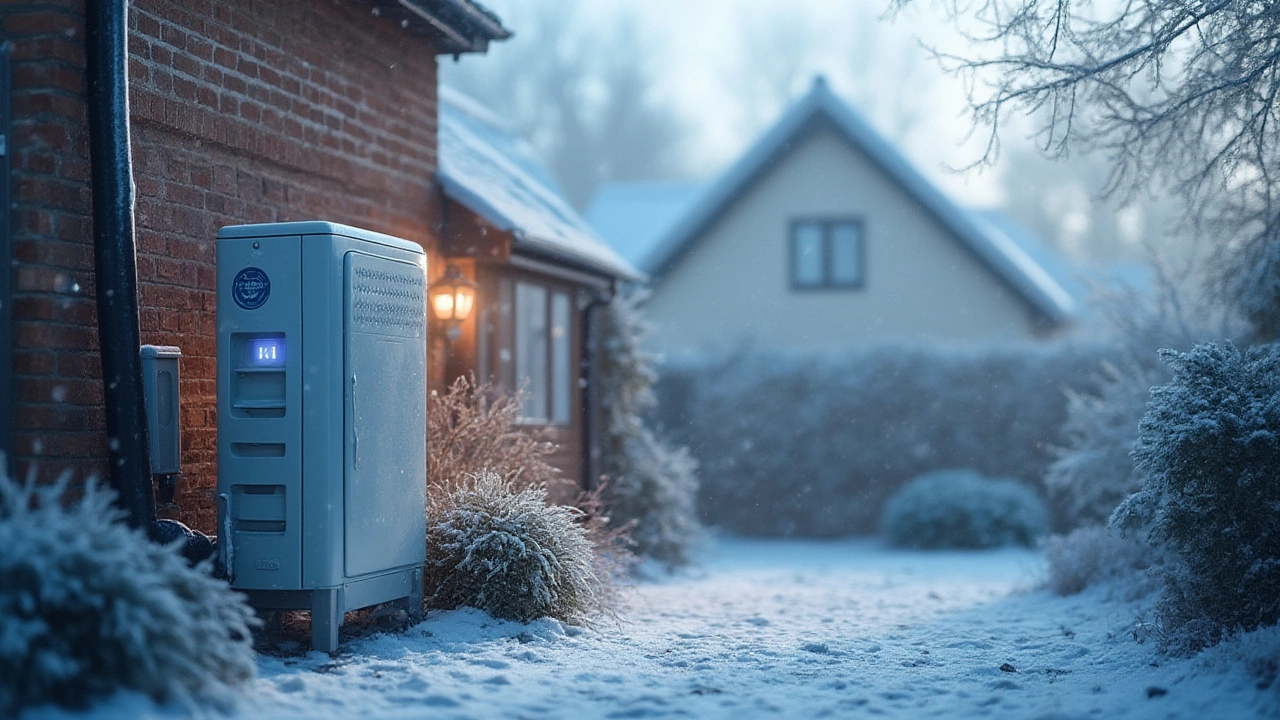
Wondering what temperature makes a heat pump stop working well? Learn the cold limits, key facts, and expert tips for running heat pumps in harsh winters.

Wondering if your 20-year-old oven can be repaired? Discover repair tips, replacement part insights, costs, and when it makes sense to swap your old oven for a new one.
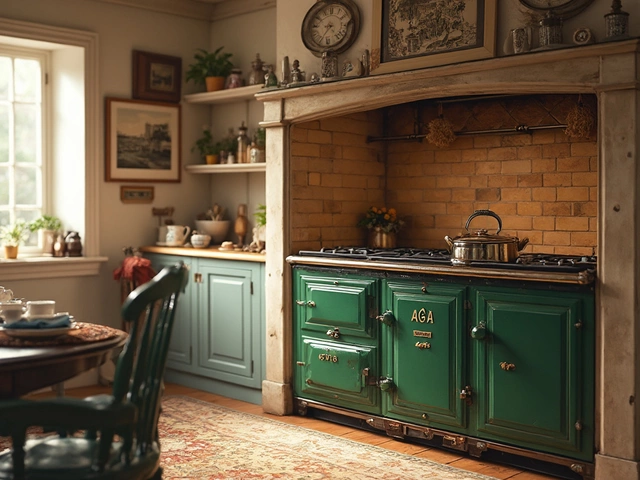
Ever wondered how long your trusty range oven will last? On average, a well-maintained range oven can serve you for about 10 to 15 years. Routine cleaning and minor repairs can help extend its lifespan. Knowing when to repair or replace your oven is crucial for efficiency and safety. Read on for practical tips to make sure your oven lasts as long as possible.
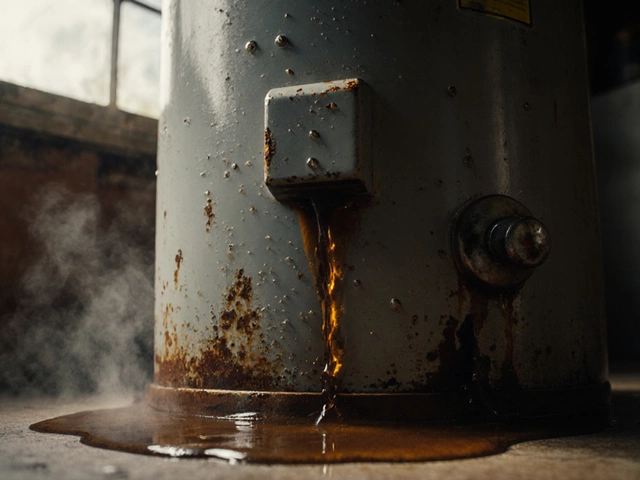
Most water heaters fail due to tank corrosion, heating element burnout, or sediment buildup. Learn the top failure points and how to spot them early to avoid costly repairs or floods.

A malfunctioning freezer can be a headache, particularly when it involves the compressor. Understanding whether it's worthwhile to replace a compressor requires consideration of several factors, including cost, age, and efficiency. This article breaks down the key elements for deciding if compressor replacement is the best route. With practical advice and insider tips, you'll gain clarity on making an informed decision for your appliance.
Wondering if you can flush your water heater yourself? Learn the step-by-step process, tools you'll need, and expert tips to extend your water heater's life.