

If you’re standing under a chilly shower, the first thing you’ll want to know is why your electric water heater isn’t heating. The good news is most problems are easy to spot and fix. Below are the most common culprits and a step‑by‑step guide that will have you back to warm water in no time.
One of the simplest reasons is a tripped circuit breaker. Electric heaters draw a lot of power, and a brief overload can shut them down. Flip the breaker back on and see if the heater powers up.
Another frequent issue is a faulty thermostat. If the thermostat is set too low or has failed, the heating element never gets the signal to turn on. Raise the setting a few degrees and listen for a click when the element engages.
Heating elements themselves can burn out after years of use. A cracked or corroded element won’t convert electricity into heat, leaving you with lukewarm water. You can test the element with a multimeter; most DIYers find a continuity reading of zero ohms means it’s still good.
Hard water leaves mineral buildup inside the tank. Sediment builds up on the bottom and on the element, reducing efficiency and eventually causing the element to overheat and shut off. If you haven’t flushed the tank in a while, that could be the problem.
Finally, some models have a built‑in reset button that trips when the heater overheats. If you notice a red button on the thermostat cover, press it gently. If it pops back out, the heater still has an underlying issue that needs attention.
1. Check power. Make sure the heater’s plug is in, the breaker is on, and the switch (if there is one) is set to “on.”
2. Inspect the reset button. Locate the red button on the thermostat, press it, and listen for a click. If it stays in, move to the next step.
3. Test the thermostat. Use a screwdriver to adjust the temperature a few degrees higher. If the heater starts, the thermostat may be set too low or faulty.
4. Measure the heating element. Turn off power at the breaker, remove the element’s access panel, and use a multimeter. No continuity? Replace the element.
5. Flush the tank. Shut off water and power, attach a garden hose to the drain valve, open the valve, and let the tank empty. This clears sediment and can revive a sluggish heater.
If any of these steps feel beyond your comfort zone, that’s where Bognor Regis Appliance Repair Experts step in. Our technicians know every make and model, can safely replace elements, reset thermostats, and give your heater a thorough service.
Remember, regular maintenance—flushing once a year and checking the anode rod—keeps the heater running efficiently and extends its life. A little DIY effort now can save a costly replacement later.
Don’t let a cold shower ruin your day. Follow these simple checks, and if the problem persists, give us a call. We’ll get your hot water back on track fast, without the guesswork.
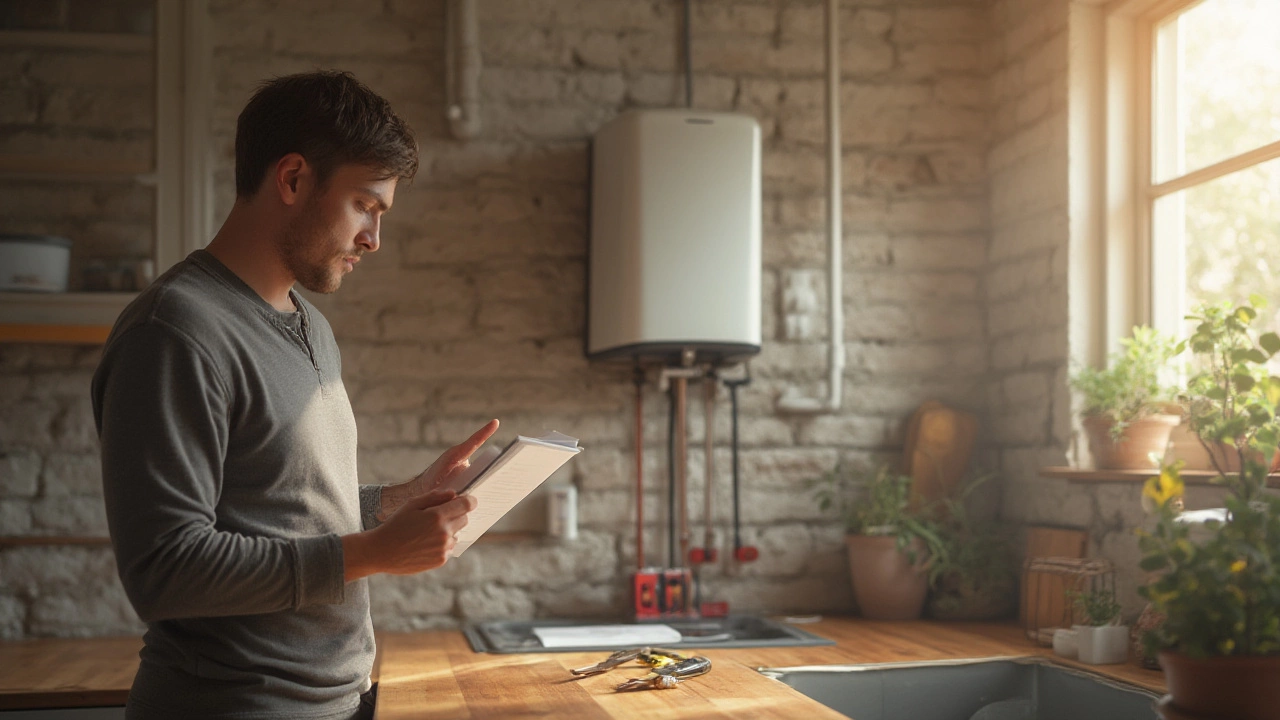
Thinking of fixing your own water heater? Learn when DIY is safe, common problems, money-saving tips, and when to call a pro.
Discover why laptop repair costs have skyrocketed. From genuine parts pricing to skilled labor rates, we break down the real expenses behind every quote.
Microwave ovens, essential kitchen appliances for many households, can sometimes fail to operate smoothly. This article dives into the intricacies of microwave repair, exploring common issues, troubleshooting methods, and practical repair tips. Designed for both amateur DIY enthusiasts and curious individuals, the guide offers insights into understanding microwave components and determining when professional help is necessary. Learn the skills needed to fix minor problems and tips to maintain the efficiency of your microwave.
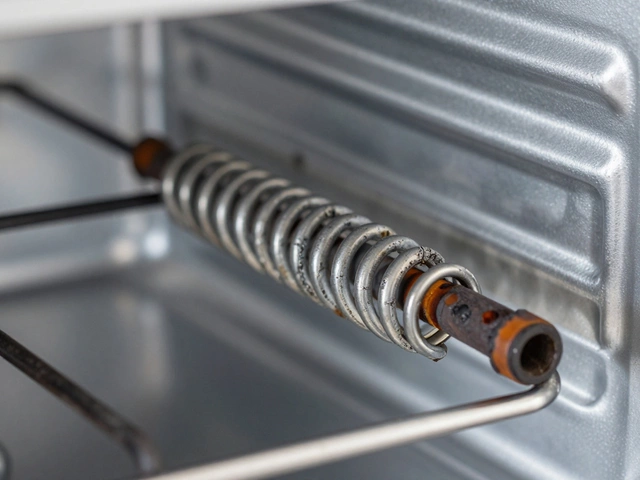
Find out exactly how much it costs to replace an oven heating element in the UK in 2026. Compare DIY vs professional repair prices, learn signs of failure, and decide if repair is worth it.
Not all plumbers can fix boilers-only Gas Safe registered engineers can legally work on gas systems. Learn when to call a plumber vs. a heating engineer, how to verify qualifications, and what to expect from a boiler service.
Learn how to tell if your cooker is broken by checking power, error codes, and symptoms like uneven heating or gas smells. Get practical tips for DIY fixes and know when to call a professional.