

When your electric water heater, a home appliance that heats water using electrical elements rather than gas. Also known as electric storage tank heater, it’s one of the most relied-on but least noticed systems in your house. Suddenly stops working, it’s not just inconvenient—it’s disruptive. You wake up to cold showers, dirty dishes pile up, and laundry waits. Unlike boilers, electric water heaters don’t need complex gas lines, but they’re just as prone to failure, especially after 8–12 years. Most people assume it’s a power issue, but the real culprits are often worn-out heating elements, faulty thermostats, or a tripped reset button.
Many electric water heater problems can be fixed without replacing the whole unit. For example, if you’ve got no hot water but the power’s on, the reset button, a safety feature that shuts off power if the heater overheats might have tripped. It’s usually a red button near the thermostat—just press it. If that doesn’t work, the heating elements, the metal rods inside the tank that actually heat the water could be burnt out. Testing them takes a multimeter and a few minutes. A faulty thermostat, the control unit that regulates water temperature is another common fix. It’s not expensive, and if you’re comfortable with basic tools, you can do it yourself. But if you hear popping sounds, see rust-colored water, or notice leaks around the base, those are signs the tank itself is failing. At that point, repair isn’t worth it—replacement is.
Age matters. If your electric water heater is over 12 years old, even small repairs might just be buying time. Newer models are 20–30% more energy-efficient, so replacing an old one can save money long-term. In Bognor Regis, where winters can be damp and cold, a reliable heater isn’t a luxury—it’s essential. The posts below cover everything from how to reset your heater safely, to why a 15-year-old unit might be costing you more in energy bills than a new one, to the brands that actually last. You’ll find real-world fixes, cost breakdowns, and clear signs you’re dealing with a simple fix or a full replacement. No fluff. Just what works.
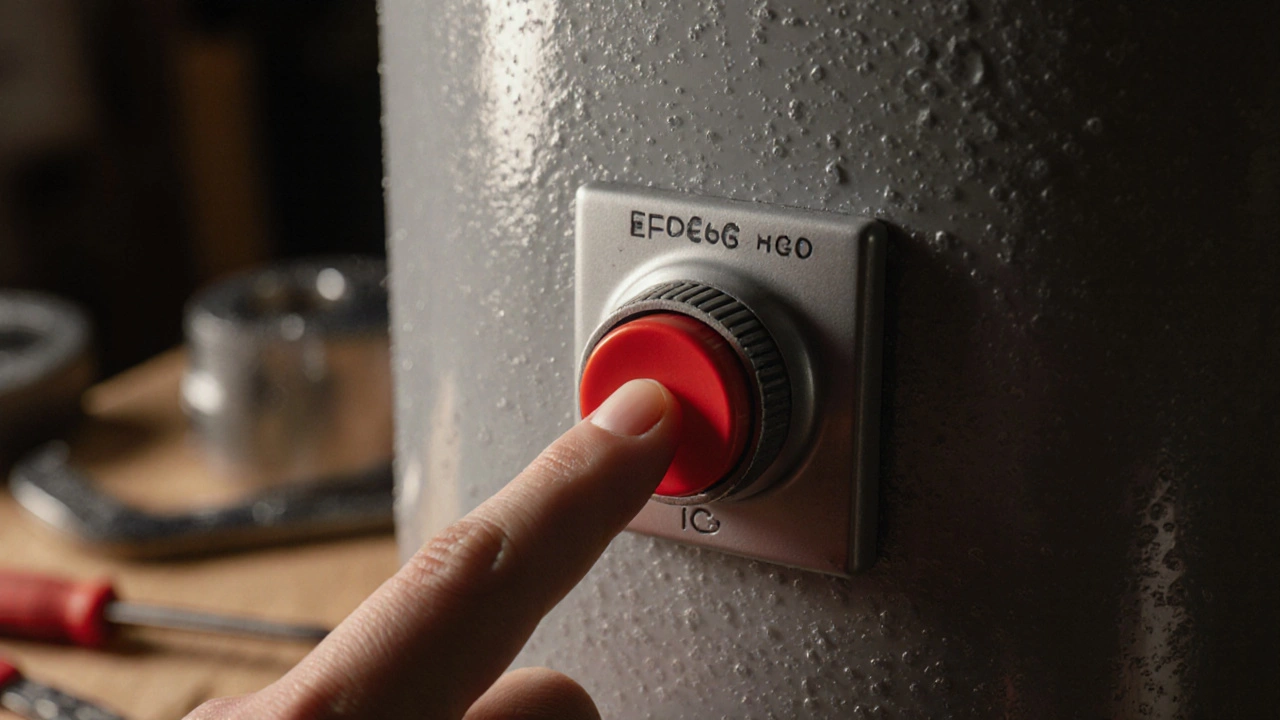
Learn how to properly reset your water heater's safety button - and why holding it down won't help. Find out what really causes it to trip and when to call a professional.

Curious how to fix a broken cooker? Explore hands-on steps, common faults, safety tips, and tricks to get your appliance working again—no jargon, just practical advice.
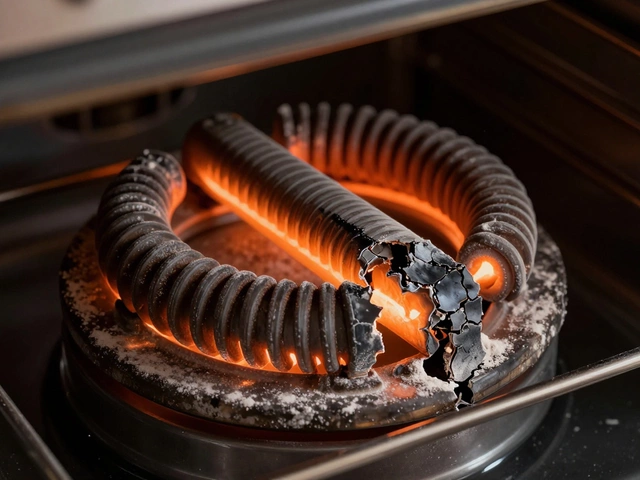
Learn how to tell if your oven element is blown by checking for visible damage, testing with a multimeter, and observing oven behavior. Most oven heating issues are simple fixes.
Discover who to call when your bathroom extractor fan starts acting up. This article explores whether to hire a professional electrician or tackle it yourself, highlighting common issues and maintenance tips. You'll also learn why keeping your fan in top shape matters more than you might think.
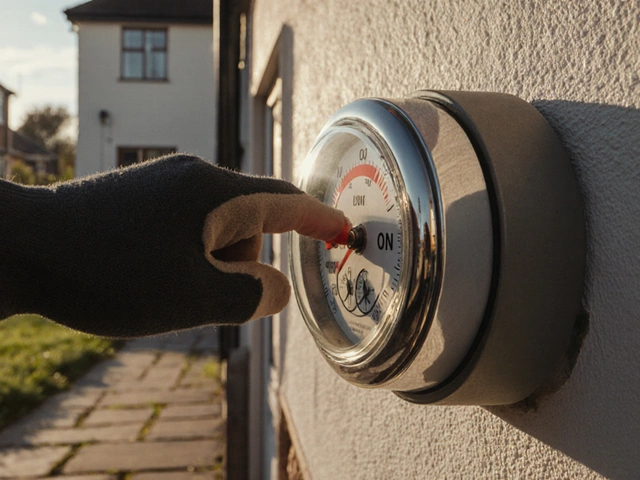
Learn why all your gas appliances might stop working, how to safely troubleshoot common issues, and when to call a Gas Safe engineer.

Thinking about swapping out your gas hob? Safety rules in the UK are strict, and there’s more to it than just unscrewing pipes. This article looks at whether you really need a gas engineer for the job, what could go wrong if you cut corners, how to pick the right pro, and little-known facts about what happens during an installation. It’s a no-nonsense breakdown for anyone facing a hob swap, putting your safety at the front of the queue.