

If your shower suddenly turns cold or the tank makes strange noises, you’re probably facing an electric water heater problem. Most issues are caused by a few simple things you can check yourself before picking up the phone. Below we break down the most common symptoms, why they happen, and how to solve them without breaking the bank.
Cold water on demand is the biggest red flag. Usually it points to a faulty heating element, a tripped breaker, or a thermostat set too low. A humming or buzzing sound often means the element is getting power but can’t heat the water – the element may be coated with limescale or simply burned out. Leaking water around the base of the unit signals a cracked tank or a loose connection, both of which need a professional’s eye.
Another clue is a dirty or cloudy water appearance. Sediment buildup at the bottom of the tank reduces efficiency and can cause the element to overheat. If you notice a noticeable rise in your electricity bill, the heater may be running constantly because it can’t reach the set temperature.
Start with the power supply. Open your breaker box and look for a tripped switch labeled “water heater”. Reset it and see if hot water returns. If the breaker trips again, there’s likely a short circuit – stop here and call an electrician.
Next, inspect the thermostat. Most electric heaters have two: an upper and a lower. Use a screwdriver to remove the access panels, then set each thermostat to the highest setting and wait 30 minutes. If the water heats, the thermostat was set too low; otherwise, the element is suspect.
Testing the heating element is easy with a multimeter. Turn off power at the breaker, remove the element’s wires, and set the meter to resistance (ohms). A healthy element reads between 10‑30 Ω. Anything higher means the element is broken and needs replacement.
If you spot sediment, flush the tank. Attach a garden hose to the drain valve at the bottom, open the valve, and let water flow until it runs clear. Close the valve, refill, and turn the power back on. This simple maintenance can add years to your heater’s life.
When you encounter a leak, don’t try to patch the tank yourself. Small leaks at the pressure relief valve can be tightened, but a crack in the tank means it’s time for a new unit. Replacing a water heater is a big job – a qualified plumber ensures proper venting and safety.
Finally, consider the age of the heater. Electric models typically last 10‑15 years. If yours is older and you’re already fixing multiple issues, weigh the cost of repairs against a fresh, more efficient unit.
Remember, safety comes first. Always shut off power before touching wiring, and if you’re ever unsure, reach out to a certified technician. A quick check can solve many problems, but a professional will handle complex faults safely and get your hot water back on track.
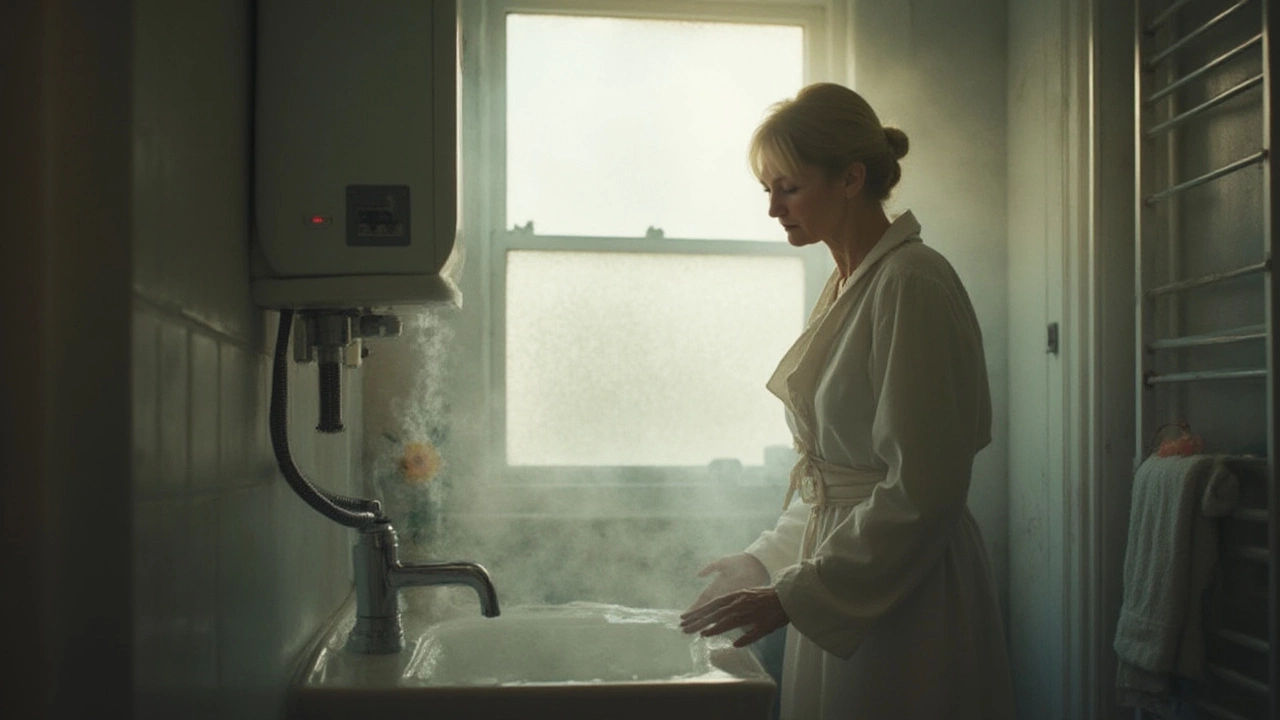
Wondering why your water heater keeps needing a reset before you get hot water? Learn the real reasons, what you can safely check, and when it’s time to call for help.
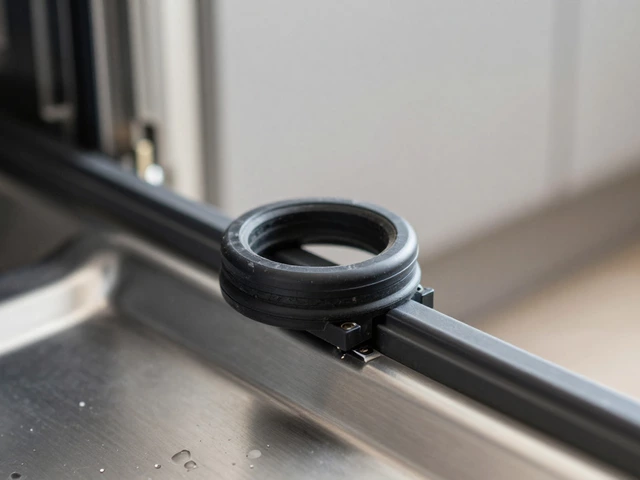
Discover what usually fails on a dishwasher, from door seals to drain pumps. Learn how to diagnose common issues, estimate repair costs, and decide when to fix or replace your appliance.
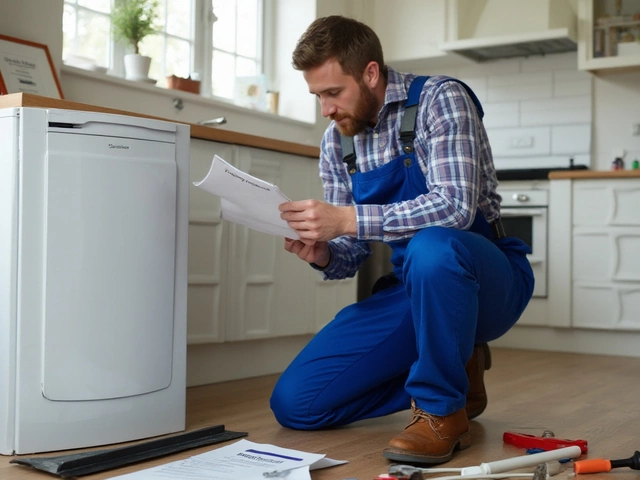
Plumbers are often the go-to professionals for a wide range of home repairs, but when it comes to boilers, it's essential to know their scope of work. This article delves into whether plumbers can actually handle boiler installations and replacements. You'll uncover what specific skills and certifications are required for boiler work, why hiring a specialized heating engineer may be recommended, and the potential risks of using underqualified technicians. Whether you're considering a new boiler or need an existing one serviced, understanding who is best suited for the task is crucial.

Curious if you can fix your boiler yourself? This detailed guide covers common boiler problems, easy repairs you can tackle, and when to leave it to the pros.
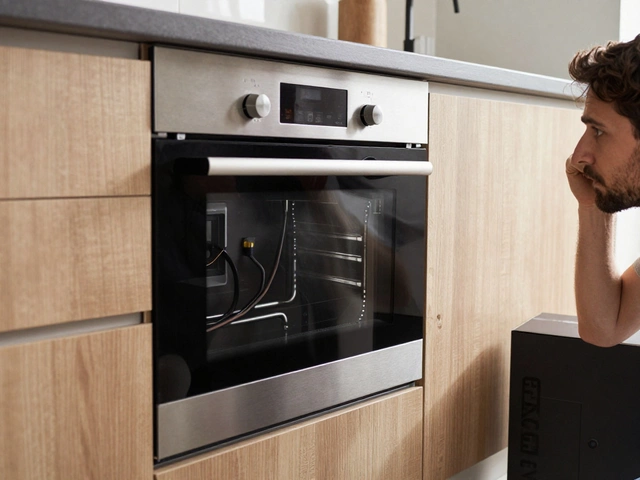
Find out if you need a professional electrician to replace your electric oven in the UK. We cover Part P regulations, DIY risks, costs, and safety steps to help you decide.
Find out exactly how much to get a boiler serviced in 2026. We break down average costs, what's included, and tips to avoid hidden fees.