

If your electric stove is acting up or you just want it to last longer, a few regular habits can make a huge difference. You don’t need a specialist toolbox – just a cloth, a screwdriver, and a bit of time. Below you’ll find the easiest cleaning tricks, quick safety checks, and the most common fixes that most homeowners can do themselves.
First things first: wipe down the glass or enamel after every use. A damp microfiber cloth removes spills before they harden, saving you the scrape later. If food has baked onto the surface, let the stove cool, then spray a mix of water and a splash of vinegar. Let it sit for a minute and wipe with a non‑abrasive pad – no steel wool, otherwise you’ll scratch the glass.
For the burners, pull them out (most models have a simple latch). Soak them in warm, soapy water for 10‑15 minutes to loosen grease. Use an old toothbrush to scrub the contacts and the heating element’s edges. Rinse, dry completely, and snap them back in place. This routine prevents uneven heating and those annoying hot‑spot flashes.
When a burner won’t heat, the first check is the power supply. Ensure the stove is fully plugged in and the circuit breaker isn’t tripped. Next, look at the burner’s connection pins – sometimes a bit of food residue can block the flow of electricity. A quick clean with a dry cloth often restores heat.
If the control knobs feel loose or the temperature settings jump around, the knob itself may be worn. Unscrew the knob, inspect the underlying switch for signs of wear or carbon buildup, and clean with a soft brush. Re‑attach the knob and test the setting. In many cases the issue resolves without calling a pro.
Another frequent hiccup is an unevenly heated element. After cleaning, run the burner on medium heat for a few minutes. If one side stays cooler, the element could be cracked. A cracked element is a safety hazard and should be replaced. You can order the exact part from the stove’s model number and swap it out in under an hour with basic tools.
Don’t forget the stove’s ventilation. A blocked vent can cause the thermostat to overheat and shut off the burner. Check the back of the unit for dust or lint, and vacuum gently. Keeping the vent clear not only protects the heating elements but also improves energy efficiency.
Regular maintenance doesn’t have to be a chore. Set a reminder to give your stove a quick once‑a‑month check: surface wipe, burner removal, and visual inspection of cords and vents. These few minutes add up to years of reliable cooking and lower repair bills.

Can you replace an electric hob element? Absolutely! This hands-on guide dives into safe, practical steps for swapping out faulty burners and keeping your electric hob in top shape.

Extractor fans are a lifesaver when it comes to clearing out steam, smoke, and nasty odors, but many people forget they actually need a little love now and then. This article cracks open the question of whether extractor fans need maintenance, and if so, what kind and how often. We'll cover quick tips, warning signs, and busted myths around fan care. Get the straightforward facts (and a few surprises) about keeping your fan working its best. No nonsense, just super practical info you can use right now.

Deciding whether to repair or replace a refrigerator can be a puzzling task for most homeowners. Factors like the age of the fridge, the cost of repairs, and energy efficiency play crucial roles in this decision. Getting a new fridge might seem attractive with the latest features, but sometimes repairing your old one is the better choice. Before making a move, it’s essential to weigh the pros and cons to make an informed choice.
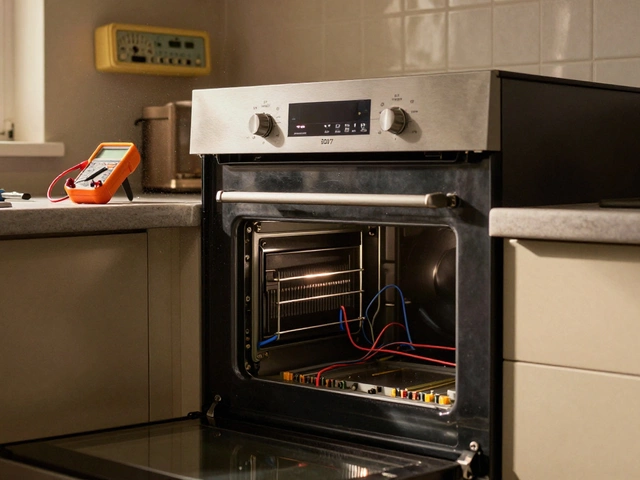
Is replacing your oven control board worth it? Learn the real costs, when to repair vs replace, and what most UK homeowners get wrong. Save money and avoid costly mistakes.
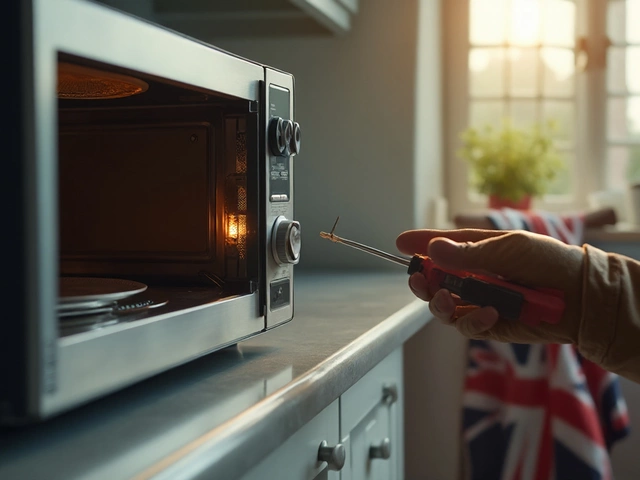
Learn fast how to spot a blown microwave fuse, test it safely, and replace it yourself. Step‑by‑step instructions, tools needed, and common pitfalls covered.
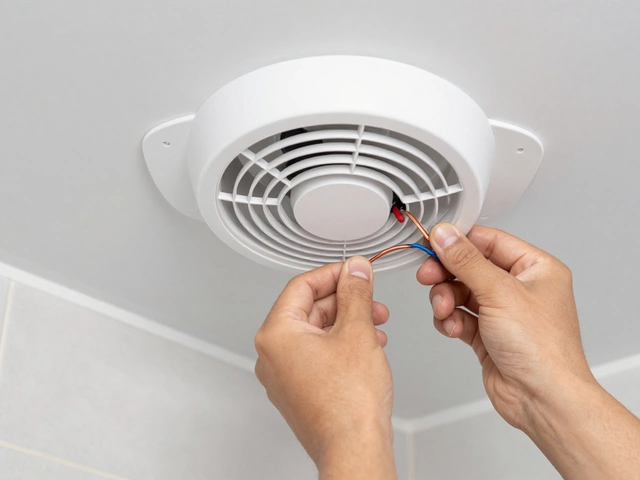
Wondering who should install your extractor fan? Learn when to hire an electrician, HVAC tech, or handyman for safe and efficient ventilation installation.