

If your electric oven is acting up, you’re probably wondering why the heat isn’t coming on or why it’s heating unevenly. The good news is most issues have a simple cause and can be sorted without a massive bill. Below we break down the typical culprits, what you can safely test yourself, and when it’s smarter to call a professional.
The first thing to check is the heating element. Over time the metal coil can crack or burn out, especially if you’ve used the oven at high temperatures a lot. A broken element will usually give you a cold oven even though the timer ticks away.
Next up is the thermostat or temperature sensor. If this part is faulty, the oven thinks it’s hotter than it really is and shuts off the heat early. You’ll notice the oven stopping mid‑cook or taking forever to reach the set temperature.
Another common snag is a loose door latch. The oven won’t heat properly if the door doesn’t seal because the safety switch stays off. Give the door a gentle wiggle – if it feels loose, the latch may need tightening or replacing.
Electrical issues like a blown fuse, tripped circuit breaker, or a frayed power cord can also stop the heat. These are easy to miss because the oven looks fine on the outside.
Before you grab the phone, try a few quick checks. First, unplug the oven for a minute – this resets any electronic glitches. Then plug it back in and see if the problem persists.
If you’re comfortable with a multimeter, remove the back panel and locate the heating element. Test it for continuity; a reading of infinite resistance means the element is dead and needs swapping.
Look at the oven’s internal fuse – it’s a small glass ampule near the wiring. A broken filament inside signals a blown fuse, which you can replace with a matching part from a hardware store.
While you’re inside, clean any burnt food or grease from the element and around the thermostat. Build‑up can cause uneven heating and may trick the sensor.
Finally, double‑check the door latch. If it’s loose, a simple screw adjustment or a new latch clip can solve the problem.
If any of these steps feel beyond your comfort zone, or if you’ve confirmed a bad element or thermostat, it’s time to call a pro. Replacing an element or sensor involves handling live wires, and a qualified technician will do it safely and fast.
At Bognor Regis Appliance Repair Experts we specialise in electric ovens. We can diagnose the issue, source the right part, and have your oven back to full heat in a single visit. Quick service, transparent pricing, and a guarantee that your oven will work like new.
Bottom line: most oven heating problems stem from a busted element, a faulty thermostat, a loose door latch, or an electrical hiccup. Simple visual checks and a multimeter test can rule out the easy fixes. When those don’t work, a professional repair saves time and keeps you safe. Got an electric oven problem? Start with these steps, and if you’re still stuck, we’re just a call away.

Struggling with an electric oven that isn't doing its job? This article guides you through common problems you might face with your electric oven, from strange noises to uneven cooking. You'll learn specific symptoms to watch for and practical ways to check what's wrong before calling a professional. Discover tips to keep your oven running smoothly and avoid kitchen headaches. No complicated jargon—just real advice that actually works.
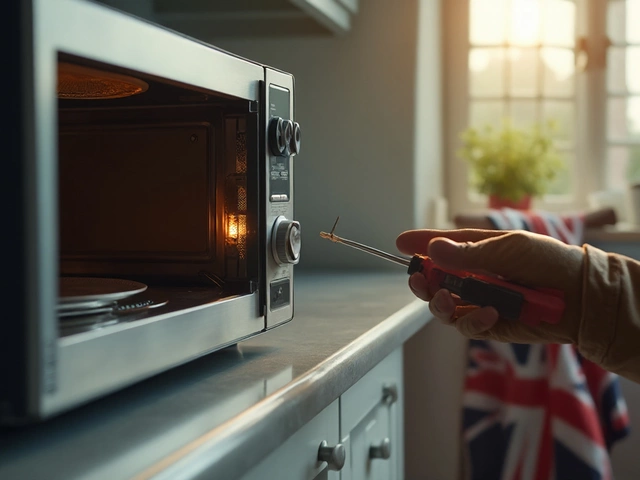
Learn fast how to spot a blown microwave fuse, test it safely, and replace it yourself. Step‑by‑step instructions, tools needed, and common pitfalls covered.
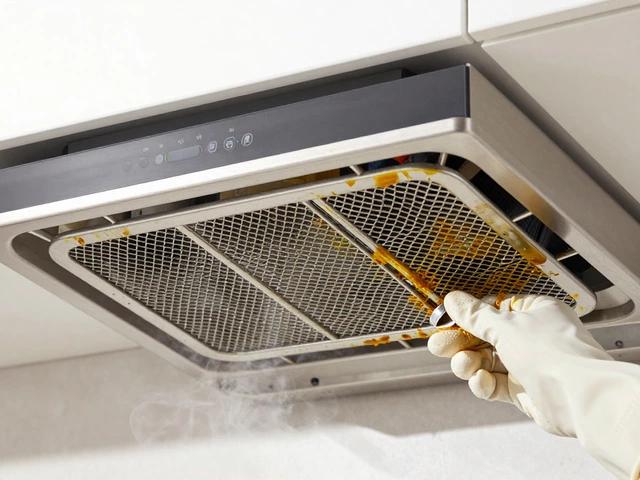
Learn how to troubleshoot a broken extractor fan step-by-step. From cleaning filters to testing capacitors, this guide helps you fix common issues like weak suction, humming noises, and complete failure safely.
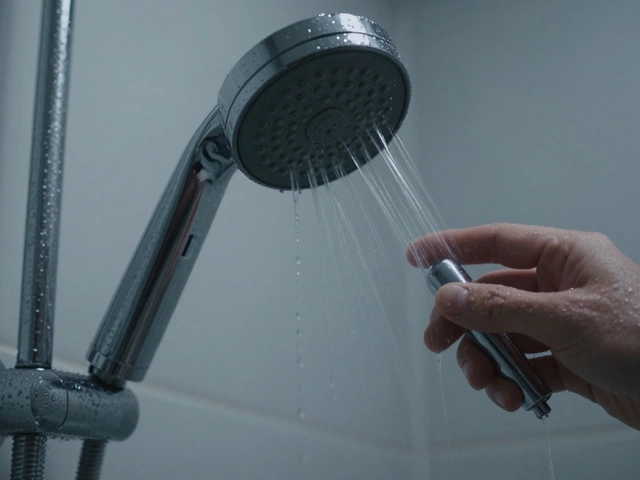
Find out if a broken boiler always means no hot water. Learn common causes like diverter valve failure, low pressure, and how to troubleshoot your system.
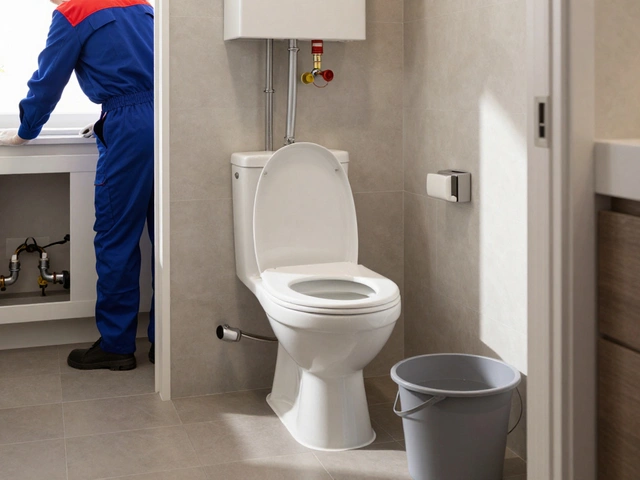
You can usually use the toilet when your boiler is being replaced, but water may be shut off during installation. Learn when it’s safe, how to flush without water, and what to ask your plumber to avoid surprises.
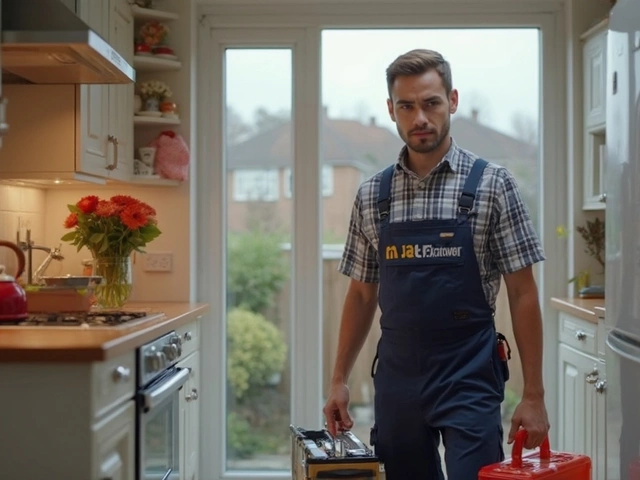
Wondering what an appliance job really is? This article breaks down everything you need to know, from common types of jobs to what actually happens when a technician shows up at your door. You'll learn when to call for help, what to expect during a service visit, and how to get the best results for your money. Get practical tips before you book, so there are zero surprises. Whether it’s your fridge, washer, or oven acting up, this guide has your back.