

Ever opened your oven, set the temperature, and waited for nothing but a cold interior? You’re not alone. An electric oven that won’t heat can throw a wrench into dinner plans, but most of the time the problem is something you can spot and fix without tearing the house down.
First, let’s look at the usual suspects. The heating element is the heart of an electric oven – if it’s cracked or burnt out, the oven stays cold. A faulty thermostat or temperature sensor can also send the wrong signals, making the oven think it’s already hot enough. Blown fuses or tripped breakers are simple power issues that any homeowner can check. Another hidden cause is a bad oven door switch; when the door isn’t properly registered as closed, the oven will refuse to heat as a safety measure. Finally, loose wiring or a worn‑out control board can interrupt the power flow, leaving you with a silent, non‑functional oven.
Before you dial a repair service, run through these quick steps. 1. Power check: Make sure the oven is plugged in and that the circuit breaker hasn’t tripped. Flip the switch back on and see if the oven lights up.
2. Visual inspection of the element: Open the oven and look at the coils at the bottom and top. Any black spots, breaks, or a faint smell of burning? That’s a dead element. You can order a replacement part online – just match the model number on the oven’s rating plate.
3. Test the element with a multimeter: Set the meter to ohms, touch the probes to the element’s terminals, and watch for a reading around 20‑40 Ω. No reading or infinite resistance means the element is faulty and needs swapping.
4. Check the thermostat/sensor: Most ovens have a metal probe that can be removed and tested for continuity. If it fails, replace it; it’s a cheap fix that often solves temperature swing problems.
5. Look at the door switch: Press the door closed and listen for a click. No click? The switch may be stuck or broken. A new switch usually costs under £20 and is easy to bolt in place.
If any of these steps reveal a damaged part, replace it following the manufacturer’s guide. Always disconnect power before working on electrical components – safety first.
Sometimes the issue isn’t a single part but a buildup of grime. Grease can coat the heating element, reducing its ability to get hot. A simple clean‑up with a non‑abrasive scrubber and a bit of baking soda can revive a sluggish oven.
When the problem persists after these checks, it’s likely a control board or wiring issue. Those are best left to a qualified technician because they involve deeper electrical work and require proper testing equipment.
Bottom line: most electric oven issues boil down to a faulty element, a busted sensor, or a simple power glitch. A quick visual check, a multimeter test, and a little part swapping can save you time and money. If you’re unsure or the oven still won’t heat, give a local repair expert a call – they’ll diagnose the hidden trouble fast and get your oven back to baking your favorite meals.
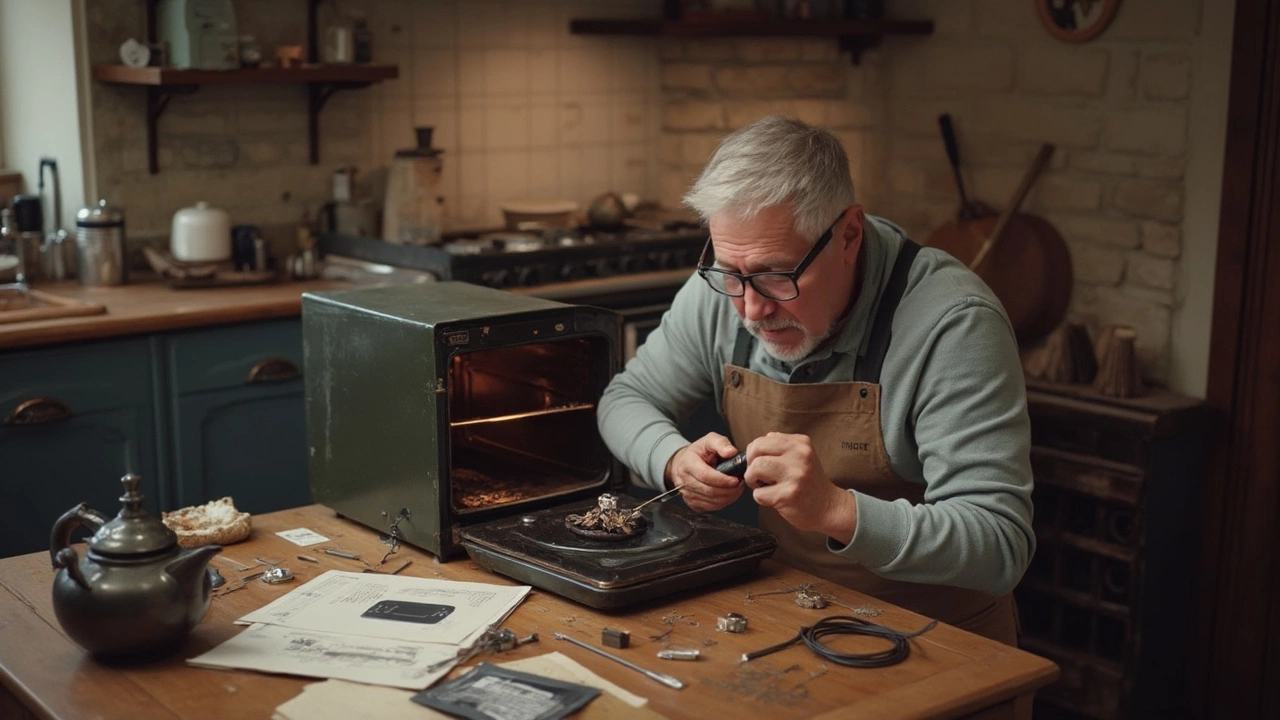
Oven troubles can throw a wrench in your meal plans. From a faulty heating element to problematic door hinges, diagnosing oven issues doesn't have to be daunting. This guide helps you identify and address common electric oven problems. Learn when a DIY fix is safe and when it's time to consult a professional. Simple steps and practical tips get you on your way to a working oven.

Thinking about swapping out your extractor fan? This article breaks down when you really need a licensed electrician and when you might handle it yourself. Learn what risks and rules are involved, plus some practical tips for a painless install. Get clear answers on costs, permits, and what can go wrong if you take shortcuts. If you want fast, safe, and lasting results, this guide walks you through everything step-by-step.
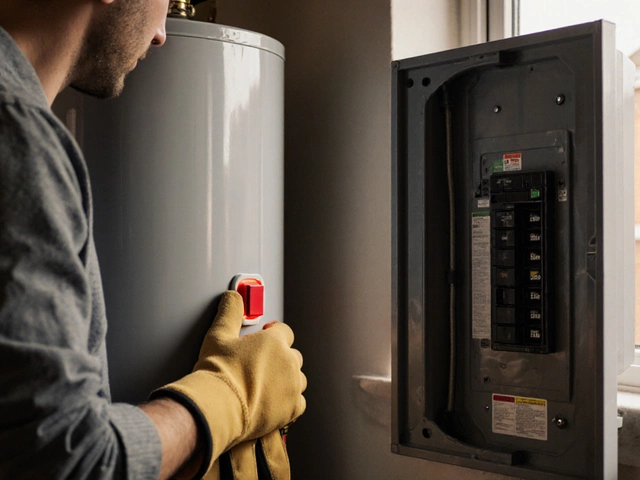
Learn when it's safe to press the water heater reset button, step‑by‑step instructions, common risks, and when to call a professional.

Discover if electric hobs can be fixed, cost breakdowns, DIY steps, safety tips, and when to replace. A practical guide for UK homeowners.
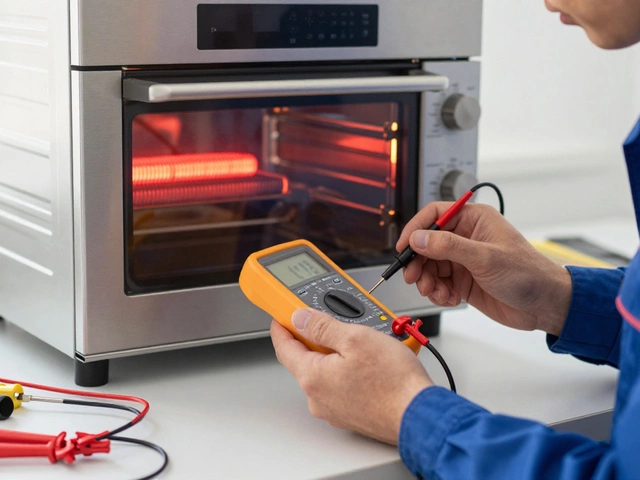
Learn the real cost to fix a broken oven, from common repairs like heating elements and thermostats to when it's better to replace. Get pricing, tips, and expert advice for 2026.
A short summary for the article based on the topic. You need to write a summary with up to 5 sentences or 160 symbols that covers the provided topic. Try to write the most human text.