

Got a boiler that seems to be working harder than it should? You’re not alone. Most homeowners notice a rise in heating costs before they realize the boiler is losing efficiency. The good news is you don’t need a massive overhaul to fix it. A few simple checks and regular upkeep can keep your boiler humming, your home cozy, and your wallet happy.
First thing to watch for is uneven heat. If one room stays cold while others are warm, the boiler might be struggling to distribute water properly. Check the radiators – cold spots on the top usually mean air is trapped inside. A quick bleed can release that air and restore flow. Also, listen for odd noises. Gurgling or banging sounds often signal scale buildup or low water pressure, both of which sap efficiency.
Next, keep an eye on your energy bill. A sudden jump of 15‑20% without any change in usage is a red flag. It could mean the burner is dirty, the thermostat is off, or the heat exchanger is clogged. Take note of the billing period and compare it to the same month last year – seasonal differences are normal, but sharp spikes aren’t.
Don’t forget the obvious: the boiler’s age. Most modern condensing boilers stay efficient for about 10‑15 years if you service them regularly. If yours is older, the technology inside may simply be outdated. In that case, efficiency losses are built‑in, and you’ll likely see higher running costs no matter how well you maintain it.
When you find a problem, the first question is whether it’s worth fixing. Small issues like a faulty pump, a leaking valve, or a dirty heat exchanger usually cost a fraction of a full replacement and can be sorted by a qualified engineer. A quick service visit can clean the internals, adjust the pressure, and recharge the system – often restoring 90‑95% of its original efficiency.
However, if the boiler is repeatedly breaking down, needs major part replacements, or the repair costs exceed 50% of a new unit, think about swapping it out. New condensing boilers are designed to work at lower temperatures and extract more heat from the flue gases, which translates to lower fuel use. The upfront price is higher, but the savings on energy bills usually pay off in 5‑7 years.
Before you decide, get a professional assessment. A Gas Safe registered engineer can run a performance test, check for carbon monoxide leaks, and give you a clear picture of the remaining lifespan. They’ll also advise on the best size for your home – an oversized boiler burns more fuel, while an undersized one runs constantly, both hurting efficiency.
In the meantime, there are a few DIY steps you can take. Flush the system every few years to remove sludge, keep the area around the boiler clear for proper ventilation, and never ignore warning lights on the control panel. Regular servicing (ideally once a year) is the cheapest way to catch problems early and keep the boiler running at peak performance.
Bottom line: an efficient boiler isn’t a magic device – it needs a bit of love to stay efficient. Spot the signs, perform basic maintenance, and call in a qualified pro when the job looks big. With these habits, you’ll enjoy steady heat, lower bills, and fewer surprise breakdowns.

Maintaining a boiler goes beyond just an annual check-up. Regular maintenance ensures that your heating system runs efficiently, prolonging its lifespan and saving money on repairs. This article delves into necessary care tips, signs indicating a need for professional help, and actions homeowners can take to keep their boilers in top shape. Understanding the importance of each maintenance task can help prevent unexpected breakdowns, especially during colder months.
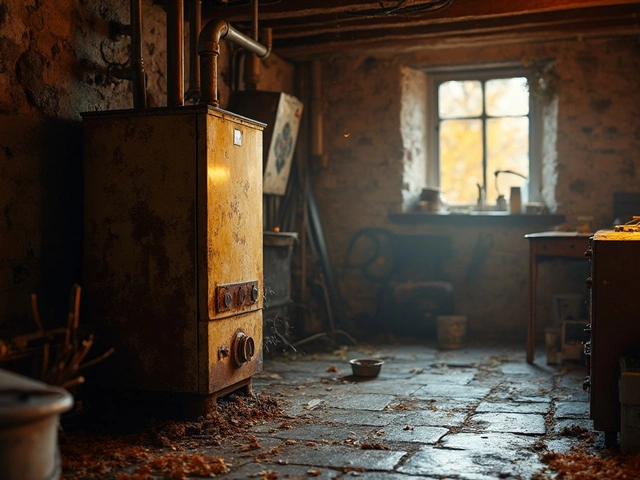
Replacing an old boiler might seem like a hassle, but when it's reaching the 15-year mark, the decision becomes crucial for efficiency and safety. This article explores whether it's time to upgrade, balancing costs, savings, and the impact on your home. From understanding energy efficiency to recognizing warning signs, we dive into everything you need to consider. With insights and practical tips, make an informed choice about your old boiler.
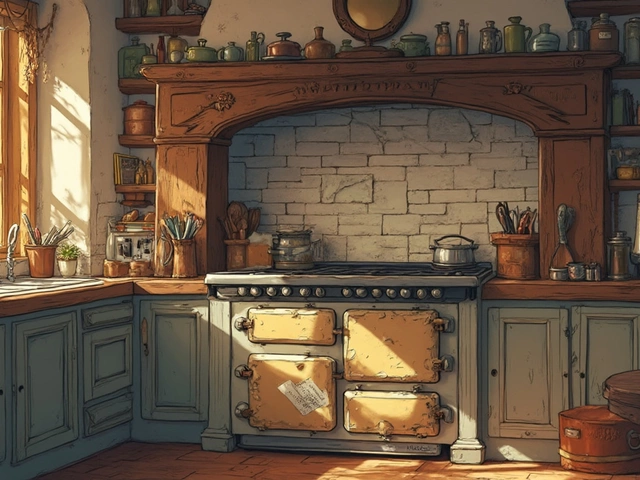
Figuring out whether to repair or replace a 10-year-old range can save money and hassle. This article explores cost considerations, common issues, and when to opt for repair versus replacement. Additionally, discover maintenance tips to extend your range’s life. Make informed decisions with a detailed look into repair pros and cons. Navigate the world of kitchen appliances with confidence.
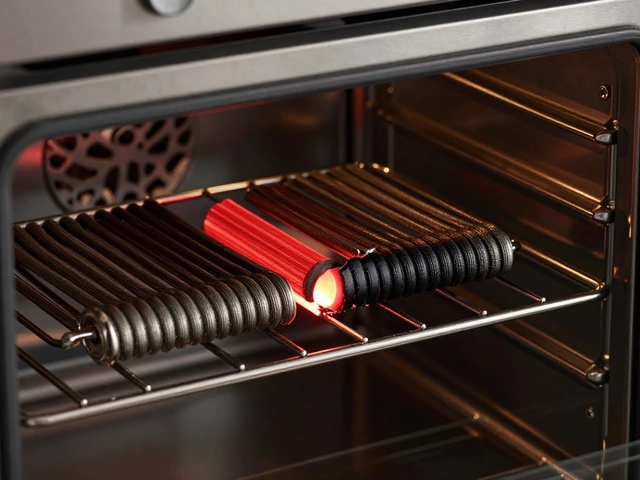
Replacing an oven element costs £80-£150 professionally or £15-£40 for DIY parts. Learn when to repair vs. replace, how to choose an engineer, and tips to extend your oven's life in our 2026 guide.
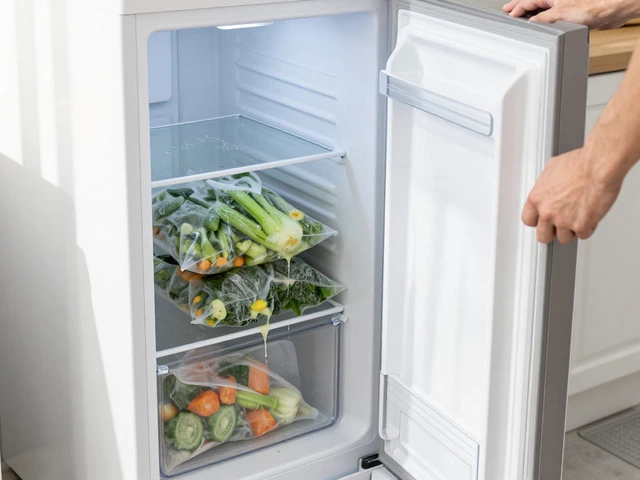
Learn how to troubleshoot a broken freezer step-by-step. From checking power sources to diagnosing defrost heaters, this guide helps you save food and money.
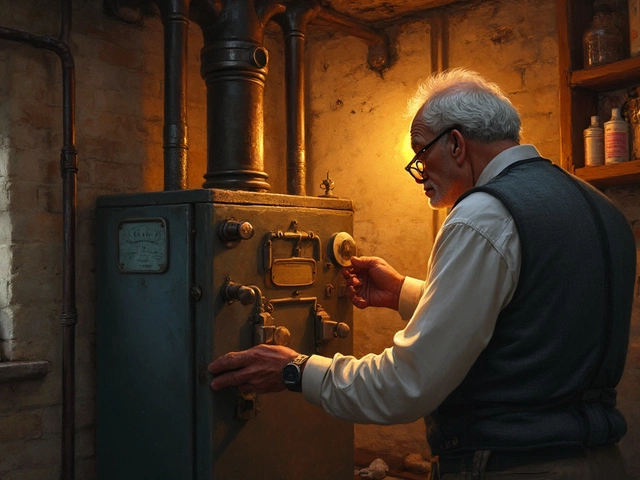
Boiler lifespan can vary greatly depending on usage, maintenance, and type. On average, boilers last anywhere from 10 to 15 years. Regular maintenance is key to prolonging the life of your boiler and ensuring it functions efficiently. In this article, discover how to keep your boiler in top shape and when it might be time to replace it.