

When you think about dryer maintenance, the routine care that keeps your tumble dryer running safely and efficiently. Also known as tumble dryer care, it's not just about cleaning the lint filter—it's about preventing fires, saving energy, and avoiding costly repairs. Most people assume their dryer will last forever, but without regular attention, even the best models fail years too soon. A study by the UK Fire Service found that over 3,000 house fires each year start because of poorly maintained dryers. That’s not a small risk—it’s a preventable one.
Dryer vent blockage, the buildup of lint and debris in the exhaust path, is the #1 reason dryers overheat and break down. You might think cleaning the filter after every load is enough, but lint hides in the hose, the wall duct, and even behind the machine. If your clothes take longer to dry, the dryer feels hotter than usual, or you notice a burning smell, your vent is likely clogged. This isn’t just inefficient—it’s dangerous. The same goes for tumble dryer lifespan, how long your dryer lasts before it needs replacing. Most last 8 to 12 years, but with proper care, many hit 15. The difference? Consistent cleaning, checking the drum seals, and not overloading the machine.
Dryer repair, fixing common issues like broken belts, faulty thermostats, or worn rollers, often costs less than replacing the whole unit—but only if you catch the problem early. Ignoring a squeak, a slow spin, or a door that doesn’t latch properly lets small issues become big ones. A broken drum roller might cost £30 to fix, but if it grinds against the housing for months, you could be looking at a £300 repair—or a new dryer. And don’t forget the dryer cleaning, the full process of removing lint from all internal and external parts. This includes wiping down the drum, vacuuming the vent hose, and checking the exhaust outlet outside. It takes 20 minutes once a year. That’s all it takes to avoid a £500 emergency call.
You don’t need to be a technician to do this. No special tools. No complex instructions. Just a vacuum, a screwdriver, and five minutes of your time every few months. The real question isn’t whether you can do it—it’s why you haven’t started yet. The posts below show you exactly what to look for, how to fix the most common issues yourself, and when it’s time to call in a pro. Whether your dryer’s old or new, these guides give you the facts you need to keep it running safely and save money in the long run.
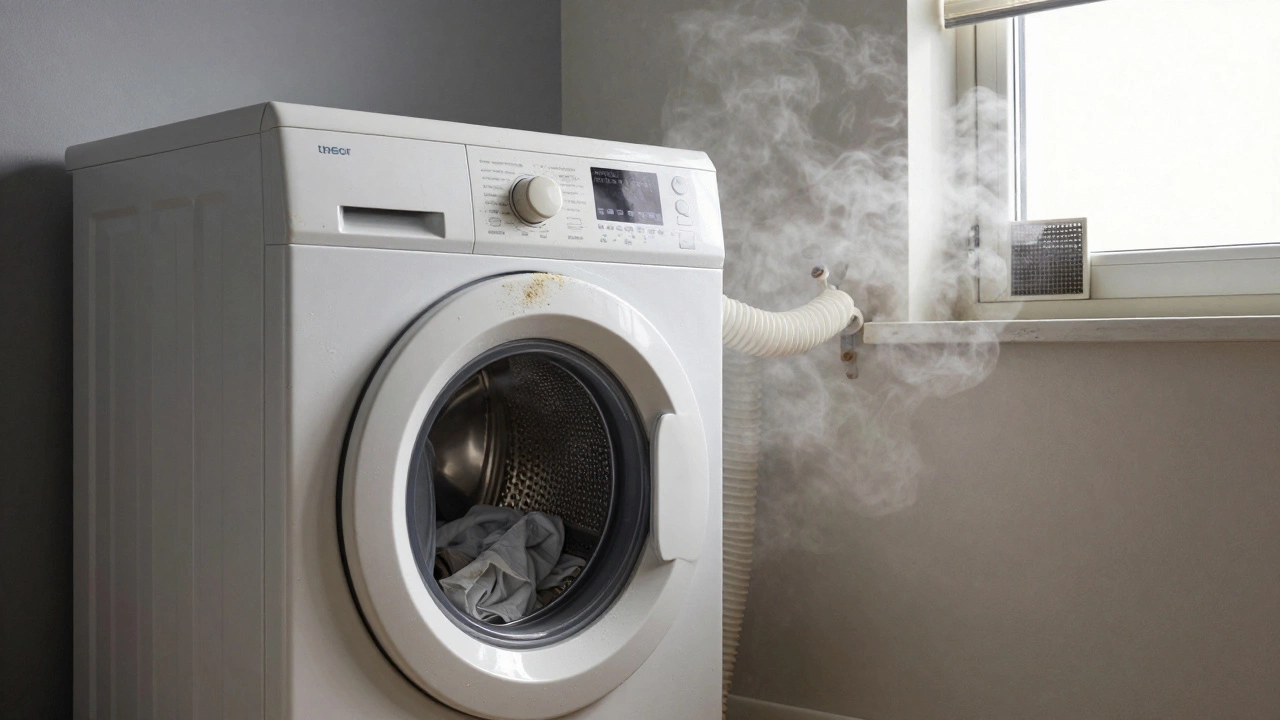
Most tumble dryers last 8-13 years, but poor maintenance can cut that in half. Learn the signs your dryer is failing, when to repair vs replace, and how to make it last longer.
Learn why and when appliances need professional service, the signs of trouble, how often each should be checked, DIY tips, costs and when to replace.
Discover who to call when your bathroom extractor fan starts acting up. This article explores whether to hire a professional electrician or tackle it yourself, highlighting common issues and maintenance tips. You'll also learn why keeping your fan in top shape matters more than you might think.

Replacing a boiler in 2025 costs between £2,000 and £4,500 on average. Learn what affects the price, when to replace vs repair, and how to save with government grants. Make an informed decision for your home.

Discover how long extractor fans last, what shortens their life, and tips to maximize their lifespan in your kitchen or bathroom. Practical, clear advice from real experience.

When your boiler breaks down, taking a comfortable shower suddenly feels like a luxury. This article explains exactly what happens to your shower when a boiler goes out, ways to still get clean, and when you should call in a professional. Learn alternative methods for washing, bust some myths about cold showers, and get tips on preventing future breakdowns. We even cover what to do if you have kids or need to keep up with fitness routines. Staying clean during a crisis isn’t impossible—you just need a bit of know-how and some creative solutions.