

If water is pooling around your washing machine or the dishwasher is refusing to empty, chances are you have a drain problem. It’s frustrating, but most blockages are easy to fix with a few basic tools. Below you’ll find straight‑forward steps to clear the most common drains in a typical Bognor Regis home.
First, unplug the machine. Pull out the back hose and check the hose for twists or kinks – these alone can stop water from flowing. Next, detach the hose from the standpipe and blow through it; if you feel resistance, the hose is blocked. A simple flush with hot water and a bit of baking soda works wonders. If the standpipe itself is clogged, use a plumber’s snake or a long flexible wire to push the debris out.
Dishwashers often get blocked by food bits or grease. Start by removing the lower rack and checking the filter at the bottom; rinse it under running water. If the dishwasher still won’t drain, locate the drain hose (usually under the sink) and disconnect it. A quick run of hot water through the hose can melt away grease. For stubborn clogs, a cup of white vinegar followed by a half‑cup of baking soda, left to fizz for 15 minutes, can break up buildup.
Don’t overlook the sink drain if both appliances share the same pipe. A slow‑draining sink usually means the main line is clogged. Remove the trap under the sink – it’s a U‑shaped pipe that catches debris. Clean it out, then run plenty of water. If the problem persists, a handheld drain auger can reach further down the pipe.
You’ve tried the basics and water still won’t flow? It could be a deeper issue, like a broken pump or a collapsed pipe. At that point, a qualified technician from Bognor Regis Appliance Repair Experts can diagnose the problem without causing damage. They have the right tools to inspect hidden parts and will fix the issue faster than a DIY trial‑and‑error approach.
Regular maintenance cuts down on emergency calls. Once a month, run a hot water cycle with a cup of vinegar in your washing machine, and sprinkle baking soda down your sink drain. These habits keep grease and mineral buildup at bay.
Remember, safety first: always turn off electricity and water supply before dismantling any appliance. If you’re unsure about any step, it’s smarter to pause and get professional help. A small investment in a service call now can save you from costly water damage later.
Got a stubborn drain that just won’t budge? Give us a call. Our fast, reliable service will have your appliances running smoothly again, so you can get back to daily life without the hassle of standing water.

Wondering if you should flush or just drain your water heater? This article breaks down the difference, when each method makes sense, and what actually helps your water heater last longer. You'll find practical advice, simple tips, and a few things even pros forget. Discover the truth about tank cleaning—without the jargon or confusion. Your next maintenance day just got a lot less stressful.

Thinking about fixing your 7 year old refrigerator? This article breaks down the real costs, reliability, and what you should watch for before you pay for repairs. You’ll find clear tips on when it’s smarter to repair or replace, how much you’ll likely spend, and some key things most people forget to check. Get the real scoop from an expert so you don’t waste time or money.
Learn how long vented, condenser and heat‑pump tumble dryers typically last, what factors affect their lifespan, and how regular maintenance can add years.

Get to know the four appliances that no modern home can do without, why they matter, and how to keep them working smoothly. Discover easy maintenance tips, signs of trouble, and smart ways to save money on repairs. If you want your home to run without a hitch, paying attention to these basics is a must. This article makes home appliance care straightforward and stress-free. No fluff, just practical advice you can actually use.
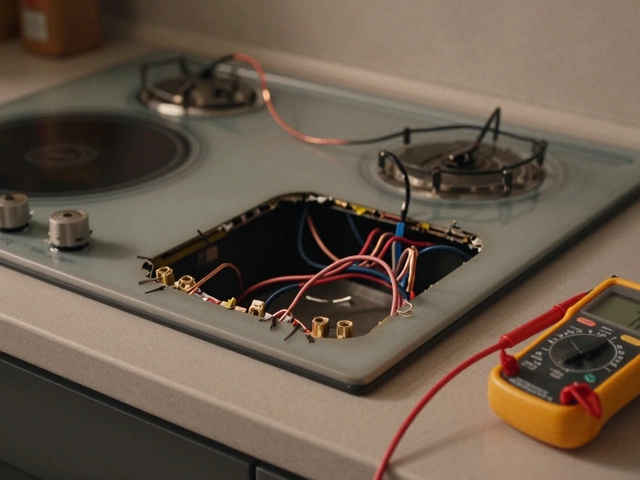
Replacing an electric hob isn't a DIY job. In the UK, it requires a qualified electrician for safety, legal compliance, and insurance reasons. Here's what you need to know before swapping your hob.

Extractor fans are essential for maintaining air quality in enclosed spaces like kitchens and bathrooms. When these fans break down, they can lead to moisture buildup and unpleasant odors. This guide offers practical advice on fixing a broken extractor fan, providing step-by-step instructions that any homeowner can follow. Learn how to diagnose common issues and the tools needed to restore your fan to working order.