

If your cooker won’t heat, makes weird noises, or shows error codes, you don’t always need to dial a technician. A lot of issues are easy to spot and fix with a few tools and a bit of patience. Below you’ll find the most common problems, quick checks, and step‑by‑step repairs you can try before you call for help.
Electric oven not heating – First, make sure the oven is set to the right temperature and the timer isn’t on. Check the power supply; a tripped breaker or a loose plug can stop electricity from reaching the heating element. If the oven lights but stays cold, the element may be broken.
Hob burners won’t light – For a gas hob, listen for the clicking sound. No click? The igniter could be clogged with food debris. Clean it gently with a toothbrush. For an electric hob, a faulty burner element often causes the problem. Swapping the suspect burner with a working one can confirm the issue.
Oven door won’t close properly – A warped seal or debris around the hinges can keep the door from sealing. Inspect the seal for cracks and clean any crumbs. Re‑align the hinges if they look bent.
Strange smells or smoke – Turn off the cooker immediately and let it cool. A spill on the heating element or in the oven cavity can scorch and cause smoke. Remove the food, clean the area, and dry thoroughly before testing again.
Replacing a broken electric hob element – Unplug the cooker. Remove the screw holding the burner in place, then pull the burner out. Locate the two wires at the back, note their positions, and disconnect them. Plug the new element in, snap the wires back, and secure the burner with the screw. Test it – the burner should heat up within a minute.
Fixing an oven heating element – Remove the oven racks and locate the element at the back or bottom. Unscrew the element’s mounting brackets and pull it out gently. Use a multimeter to test continuity; a zero reading means the element is faulty. Replace it with a new one, secure the brackets, and reconnect the wiring. Plug the oven back in and run a short heat cycle to confirm.
Cleaning a clogged gas igniter – Take off the burner cap and use a soft brush to clear any food bits from the igniter tip. Avoid using water; a dry brush works best. Re‑assemble the burner, turn the gas on, and try lighting it. If it still won’t spark, the igniter may need a replacement.
Testing the thermostat – If the oven reaches the right temperature but the indicator is wrong, the thermostat could be at fault. Remove the back panel, find the thermostat sensor, and check it with a multimeter. A reading far from the expected value means replace the sensor.
Safety first: always disconnect power before opening any part of the cooker. Keep a flashlight handy, as interior panels can be dark. If you ever feel unsure, it’s better to call a qualified repair service – especially for gas‑related work.
These quick checks and repairs can save you time and money. Most cooker problems are caused by simple things like a broken element, a loose connection, or a dirty igniter. By following the steps above, you’ll know exactly when to fix it yourself and when to hand it over to the experts.

Curious how to fix a broken cooker? Explore hands-on steps, common faults, safety tips, and tricks to get your appliance working again—no jargon, just practical advice.
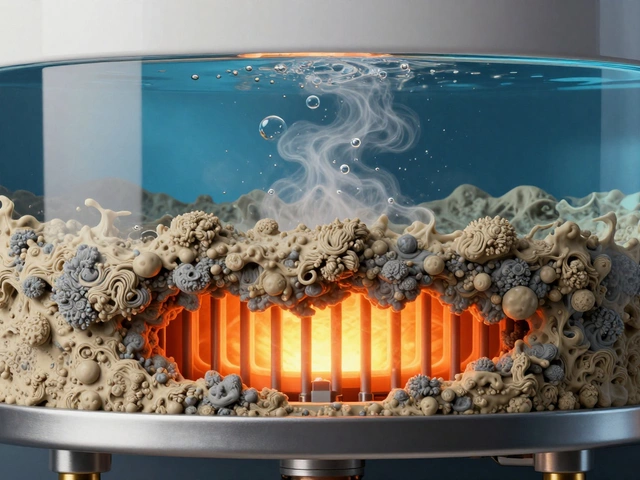
Discover the most common hot water heater problems, including sediment buildup, pilot light failures, and leaks. Learn how to diagnose issues, perform maintenance, and extend your unit's lifespan.

Wondering when to replace your cooker? This article breaks down the real signs that your cooker is on its last legs, what affects its lifespan, and how to keep it running safely for longer. Get practical tips straight from real-life experience and find out how to spot issues before they turn expensive. Whether you use gas or electric, knowing when to repair or replace makes all the difference in your kitchen.
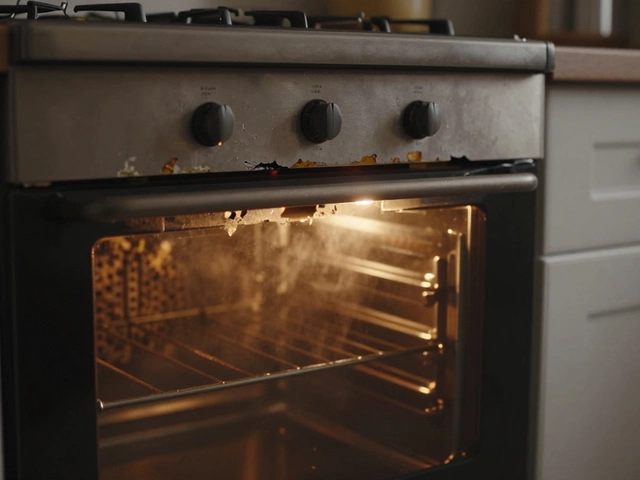
Most ovens last 10 to 15 years, but usage and maintenance affect lifespan. Learn the signs your oven is failing, when to repair vs. replace, and how to make it last longer.
Fridge warm but the light works? Find out why your refrigerator isn’t cooling, common causes, fixes, and when to call in an expert. Easy troubleshooting tips inside.
If your freezer isn't doing its one job—keeping things cold—you're in a pickle. But before you start shopping for a new one, there are a few things you might try to get it back to work. From checking the power source to cleaning coils, fixing cooling problems can often be simple and straightforward. Let's explore some potential solutions to get your freezer chilling again.