

If your dishwasher is acting up or you’re hunting for a new one, you’ve come to the right place. We’ll cut the fluff and give you straight answers on fixing, replacing, and choosing the best model for your kitchen.
Most people wonder, “Is fixing my 4‑year‑old dishwasher worth it?” The short answer: check the cost of the repair versus the price of a new machine. If a qualified tech quotes less than £150 for a part like a pump or heating element, repairing usually makes sense. Anything above that, especially if the unit is older than eight years, often means it’s time to replace.
Common fixes are surprisingly simple. A clogged spray arm, a broken door latch, or a faulty thermostat can be swapped in an hour with basic tools. Our guide on repairing a 4‑year‑old dishwasher walks you through each step, so you can decide if you want to DIY or call a pro.
Remember the hidden costs: a failing dishwasher can waste water and electricity, raising your bills. If you notice constant leaks or the machine never gets hot, the hidden expenses may outweigh a cheap repair.
Not all dishwashers are created equal. In 2025, a handful of brands earned a reputation for frequent breakdowns, unreliable cycles, and hard‑to‑find spare parts. Our “Dishwasher Brands to Avoid” report highlights these offenders, saving you time and money.
Instead, focus on models with solid warranties (at least three years), easy‑access panels for repairs, and good energy ratings. Look for features like a soil sensor, flexible racks, and a stainless‑steel interior – they usually mean better performance and longer life.
Before buying, read user reviews for real‑world feedback. A model might look great on paper, but if homeowners keep complaining about noisy motors or rusted interiors, you’ll probably face the same issues.
Finally, think about the size of your household. For a family of four, a dishwasher with a 14‑place setting and a quick‑wash cycle saves both time and water. Smaller units work well for couples or singles but may lack the flexibility you need during big gatherings.
Whether you decide to fix your current machine or invest in a new one, the key is to weigh repair costs, age, and reliability. Our experts in Bognor Regis can give you a free diagnosis and a clear price list, so you never feel stuck between a rock and a hard place.
Got a specific problem? Drop us a message and we’ll help you decide the best next step – repair, replace, or maybe just a quick tune‑up.

Annoyed by standing water at the bottom of your dishwasher? This article breaks down why your dishwasher isn't draining, what can cause it, and how to troubleshoot the most common issues. Learn about clogged filters, garbage disposal connections, and more. I'll also share some handy tips to help you prevent problems in the future. Whether you're a first-timer or have dealt with dishwasher headaches before, you’ll find practical advice here.

Curious how to fix a broken cooker? Explore hands-on steps, common faults, safety tips, and tricks to get your appliance working again—no jargon, just practical advice.

Fixing an extractor fan can be a straightforward process if approached with the right tools and knowledge. This article delves into various factors affecting repair time, common issues encountered, necessary tools, and preventive tips to maintain optimal performance. Readers will discover useful advice on diagnosing problems and learn how to efficiently address and resolve them, ensuring a smooth and fresh airflow in kitchens and bathrooms.

Wondering how often you should replace your extractor fan? This article covers extractor fan lifespan, signs it's time for a change, maintenance tips, and why fresh air matters.

Wondering if your oven's heating element is faulty? Learn how to identify signs of a broken oven element, including visual inspections, testing with a multimeter, and troubleshooting tips. This guide offers essential knowledge to help you diagnose and fix any issues, ensuring your oven works efficiently. Stay informed about safety precautions and when it might be time to call a professional.
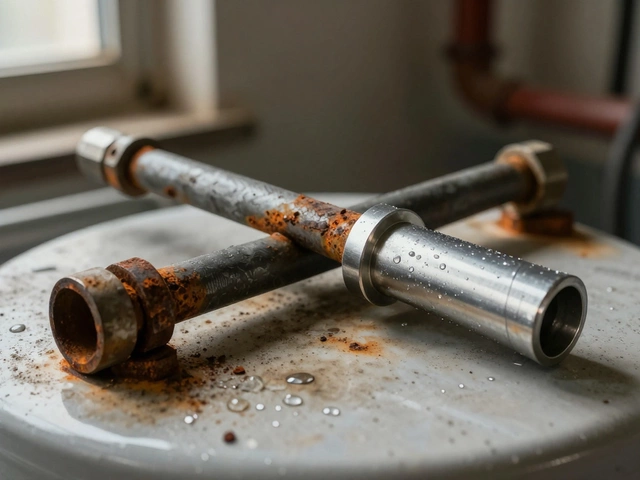
Replace your water heater's anode rod every 1-2 years in hard water areas to prevent tank corrosion. A simple £20 part can save you hundreds in repairs.