

If your dishwasher is acting up, you’re not alone. Most households face at least one fault each year – a leaky door, a stubborn smell, or dishes that come out still dirty. The good news? Many issues are easy to spot and fix yourself, saving you time and money.
The first step is to figure out what’s actually wrong. Look for obvious clues: is the door not sealing? Are you hearing a weird buzzing sound? Does water pool at the bottom? These signs point to specific parts that need attention. A worn‑out door gasket lets water escape, a clogged spray arm stops water from reaching every plate, and a faulty pump can leave dishes soaked instead of sparkling.
Another common culprit is the filter. Over time, food particles and grit build up, restricting water flow. A blocked filter often causes dishes to stay dirty and can even lead to a foul smell. Checking and cleaning the filter is quick – just pull it out, rinse under running water, and reinstall.
1. Door won’t seal properly – Grab a soft cloth and wipe the gasket clean. If it’s cracked, replace it; most retailers sell a universal gasket for under £15. Make sure the latch lines up straight before you close the door.
2. Dishwasher not draining – First, look at the drain hose. It might be kinked or clogged with food bits. Detach it (have a bucket ready) and blow air through it. If water still won’t flow, the pump could be jammed. Remove the bottom rack, locate the pump cover, and clear any debris.
3. Dishes still dirty – Check the spray arms for clogs. Remove them, use a toothpick or small brush to clear the holes, then spin them back into place. Also, make sure you’re loading items correctly – big plates should face the centre, and nothing should block the arms.
4. Bad odors – Run an empty cycle with a cup of white vinegar on the top rack. The vinegar cuts through mineral build‑up and kills mold. Follow up with a half‑cup of baking soda on the bottom rack for a fresh scent.
5. Leaking water – Examine the door seal again and look for cracks in the tub. Also, check the float switch – if it’s stuck, the dishwasher may overfill. Gently lift the float; it should move freely.
If you try these steps and the problem persists, it’s time to call a professional. Issues like a failing motor, electronic control board problems, or serious water‑inlet valve faults require expert tools and knowledge.
Remember, regular maintenance prevents most faults. Clean the filter every month, run a cleaning cycle with vinegar quarterly, and wipe the door gasket after each use. A few minutes of care now can keep your dishwasher humming for years.
Got a specific fault you can’t solve? Write down what you hear, see, and smell, then share those details with your repair tech. The more information you give, the faster they’ll pinpoint the issue and get your dishwasher back to work.
In short, most dishwasher problems are simple: check the gasket, clear the filter, clean the spray arms, and run a cleaning cycle. When those don’t work, trust a qualified repair service to avoid bigger headaches later.
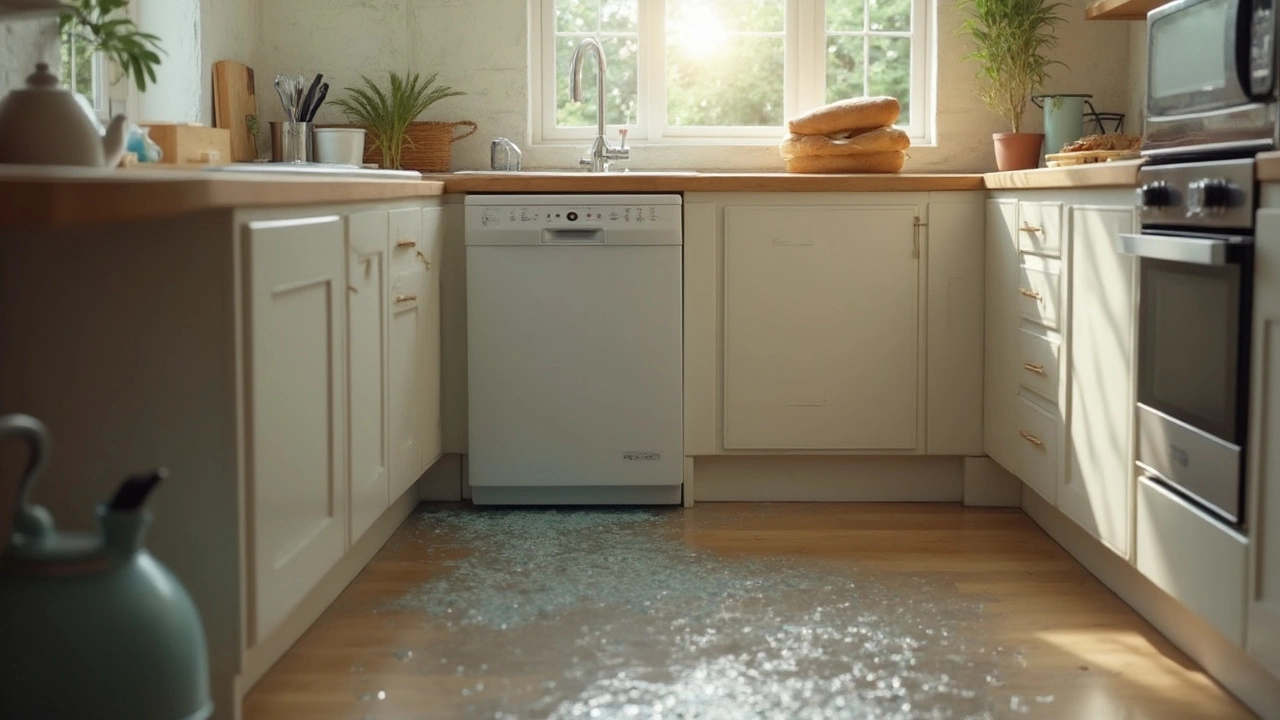
Dishwashers are a staple in modern kitchens, but they often face common issues. So, what's the most frequent problem users encounter? This article dives into typical faults like drainage issues and proposes practical solutions. Understand why your dishwasher might not clean effectively and learn simple DIY fixes to keep it in top shape. By addressing these issues, you'll ensure your dishwasher runs smoothly for years to come.
Is your washing machine considered old? Learn the real lifespan, signs it's aging, and pro tips to keep it running longer. Get real facts and advice from an expert.

Navigating the world of cooker repair can seem daunting, but armed with the right knowledge, it becomes manageable. This article explores common issues faced by cookers, signs that suggest whether repair is possible, and steps on how to approach fixing these vital kitchen appliances. By identifying whether a do-it-yourself fix is feasible or when to call in a professional, you can make informed decisions about your cooker. Learn about maintenance tips to prolong the life of your cooker and keep it working efficiently.
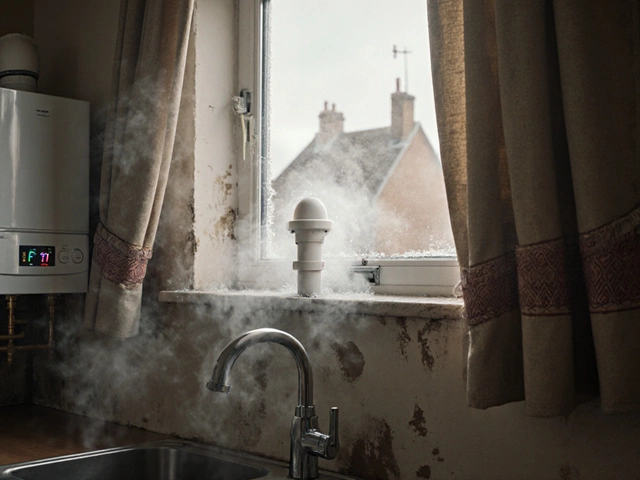
Your hot water stopped suddenly? This guide breaks down the top 7 causes - from low pressure to frozen pipes - and shows you how to fix them yourself before calling a plumber.

Understanding what usually fails in a fridge can save you time and money. This article explores common issues like malfunctioning thermostats, compressor problems, and leaky seals. Learn helpful tips for diagnosing and possibly fixing these issues yourself. Knowing when to call a professional is also crucial in the life of your fridge.

Extractor fan acting up? If you’re wondering who handles extractor fan replacement, this article breaks it down. Learn the difference between calling a pro and tackling it yourself, get tips on when to fix or swap out a fan, and find out what skills and tools make the job smooth. Real, practical advice from someone who's been around finicky fans and quick fixes. Don’t let poor ventilation keep bothering you—get the facts and decide what works best.