

If you’re hunting for a new dishwasher, you’ve probably seen a long list of names on the shelf. Not every brand is built the same, and some are notorious for frequent breakdowns, costly repairs, or short lifespans. Knowing which brands tend to give you headaches can save you time, money, and a lot of frustration.
First off, don’t let a low price be the only deciding factor. Cheap dishwashers often cut corners on motors, pumps, and rust‑proofing. That means you might be paying for a unit that quits after a couple of years. When a brand consistently shows up in repair requests for leaky hoses, faulty thermostats, or broken spray arms, it’s a clear sign they’re not built for the long haul.
Many of the problem models use low‑grade stainless steel or even thin plastic for the tub. Those materials can warp or corrode, especially if you run hard water or use aggressive detergents. A weak tub leads to leaks that damage your kitchen floor and can cause the dishwasher to stop working altogether.
Another common issue is a cheap or under‑powered pump. The pump is the heart of the dishwasher – it moves water in and out. If it’s weak, you’ll notice dishes still wet at the end of the cycle, or you’ll hear unusual grinding noises. Repairing a pump is often more expensive than the original purchase price of a budget model.Electronic control boards are also a weak spot. Some brands use generic, low‑cost boards that fail when exposed to temperature spikes. When that happens, you might get random error codes or the machine simply won’t start.
Finally, warranty support matters. Brands that skimp on warranty length or offer limited service options make repair hassle even worse. If the company can’t get a technician to you quickly, a minor fault can turn into a full replacement.
Look for brands that consistently score high in consumer surveys – for example, models from Bosch, Miele, or KitchenAid usually rank at the top for reliability. These manufacturers tend to use stainless‑steel interiors, powerful pumps, and robust electronics.
Check the warranty: a minimum of two years on parts and labor is a good baseline. Some premium brands even offer five‑year coverage on the motor and pump, which shows confidence in their build quality.
Read online reviews focusing on long‑term performance, not just the initial unboxing experience. Pay attention to recurring complaints about leaks, noisy operation, or premature part failures.
If you already own a dishwasher that’s acting up, consider the age and repair cost. For a four‑year‑old unit from a brand known for frequent issues, spending a lot on parts might not make sense. Often, a replacement from a more reliable brand ends up cheaper in the long run.In short, steer clear of brands that brag about the lowest price but have a reputation for weak tubs, cheap pumps, and limited warranties. Invest a bit more now, and you’ll avoid a flood of repair bills later.
When you pick a trusted brand, your dishwasher will clean dishes effectively, run quietly, and last many years – giving you peace of mind and a cleaner kitchen.

Ready to buy a new dishwasher? Check this guide for 2025's most unreliable dishwasher brands, stories you won't believe, and tested buying tips no one else will give you.
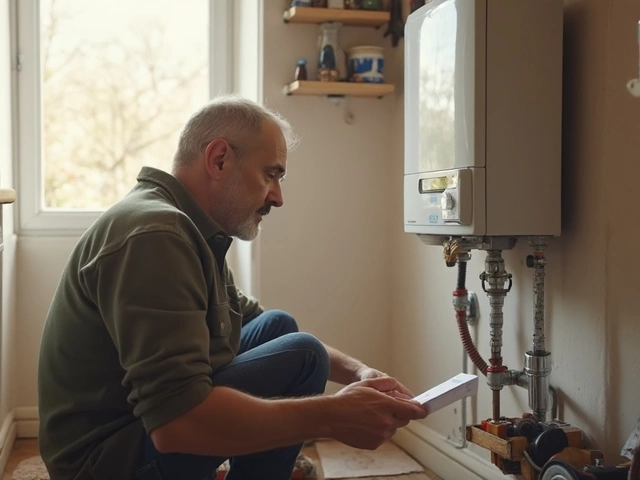
Thinking about handling your own boiler service? Get the truth about what you can and can’t do, why safety matters, and which tasks are okay for homeowners. This article covers legal restrictions, common mistakes to avoid, and practical tips for everyday boiler care. Learn how to spot problems early and when it's really time to call a pro. Save yourself headaches, money, and maybe even a major disaster by knowing the facts.

Discover if electric hobs can be fixed, cost breakdowns, DIY steps, safety tips, and when to replace. A practical guide for UK homeowners.
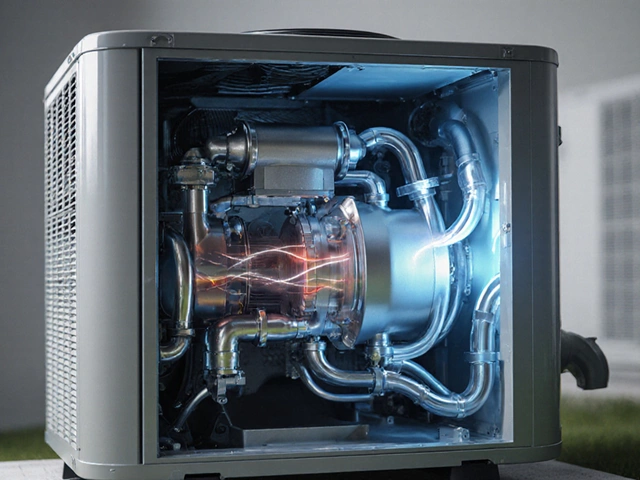
Find out the 2025 price range for heat pump compressors, what factors affect cost, how to get accurate quotes, and whether DIY or professional installation is best.

Understanding whether an electrician can repair your extractor fan might save you time and hassle. Dive into the nitty-gritty of what electricians can do for your fan problems, and get tips on how to maintain these helpful appliances. This guide covers the skills electricians bring to the table and when a specialist might be needed. Stay informed and prepared for any fan-related issues that might come your way.
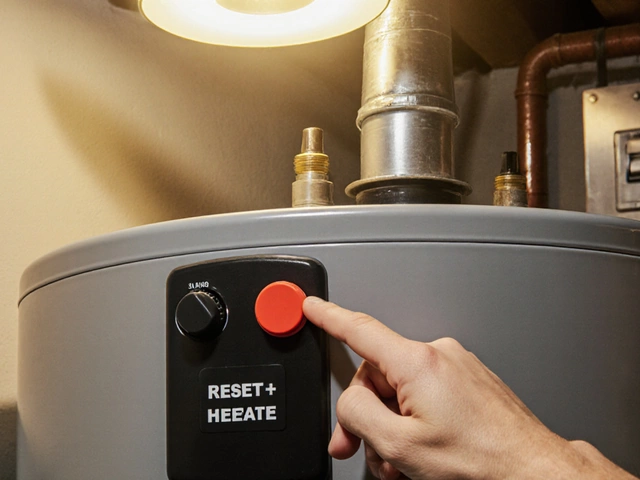
Learn how to safely reset both electric and gas hot water heaters, troubleshoot common issues, and know when to call a professional.