

If your dishwasher is acting up, you don’t have to guess what’s wrong. A quick check of a few key areas can tell you if it’s a simple fix or if you need a professional. Below are the most common problems and the steps to figure them out.
First, make sure the power cord is firmly plugged in and the circuit breaker hasn’t tripped. Look at the door latch – if the door isn’t closing correctly, the machine won’t start. Check the water supply valve under the sink; it should be fully open. If you hear a humming sound but no water, the inlet valve might be blocked. Remove the filter at the bottom of the tub and clean any debris that could be stopping water flow.
Spotty dishes usually mean the spray arms are clogged. Remove the arms (they usually snap off) and rinse them under running water. Use a toothpick to clear any holes. Next, check the detergent drawer – old or clumped detergent won’t dissolve. Use a fresh, high‑quality powder or tablet. Also, make sure you’re loading dishes correctly; large items can block the spray pattern. Finally, run a hot water cycle with a dishwasher cleaner to remove limescale and grease buildup.
If the water isn’t hot enough, run the kitchen tap until it’s hot before starting the dishwasher. This helps the machine fill with warm water right away.
A standing pool at the bottom of the tub means the drain is blocked. Start by pulling out the bottom rack and checking the drain filter for food bits. Clear any gunk you find. Next, inspect the drain hose – it should be free of kinks and not clogged. You can detach it (have a bucket ready for water) and blow through it to clear any blockage. If the hose is clear but the dishwasher still won’t drain, the pump may be jammed. Listen for a humming sound when the drain cycle starts; a silent pump often needs a professional’s attention.
Leaks usually come from three places: the door seal, the tub, or the hose connections. Check the door gasket for cracks or food residue and wipe it clean. Tighten any loose hose clamps you see. If you hear a grinding or squealing noise, the motor bearings or pump could be wearing out. While you can tighten loose bolts yourself, a grinding sound usually means you need a technician.
Lastly, make sure the dishwasher is level. An uneven machine can cause water to spill out during the wash cycle.
If you’ve walked through these steps and the dishwasher still misbehaves, it’s time to call experts like Bognor Regis Appliance Repair Experts. They have the tools and experience to diagnose electrical faults, replace faulty pumps, or repair sealed components safely. Trying to fix a serious electrical issue yourself can be dangerous.
Remember, regular maintenance – cleaning the filter, running a monthly cleaning cycle, and checking the spray arms – can keep most problems at bay. A little effort now can save you a costly repair later.
Got a dishwasher that just won’t cooperate? Try these quick checks, and if the problem sticks around, give a trusted local repair service a call. Quick diagnosis saves time, money, and the hassle of a kitchen full of dirty dishes.

When your dishwasher starts acting up, a quick, accurate diagnosis can save you from bigger headaches and pricey repairs. This article walks through simple methods to spot dishwasher problems, from weird noises to stubborn leaks. You'll learn what to check first, how to tell if it's a DIY fix, and when it's time to call in a pro. Handy tips and real-life examples make this guide easy to follow, even if you're not a born handyman. Don't let a small hiccup become a kitchen disaster — know what to look for and act fast.
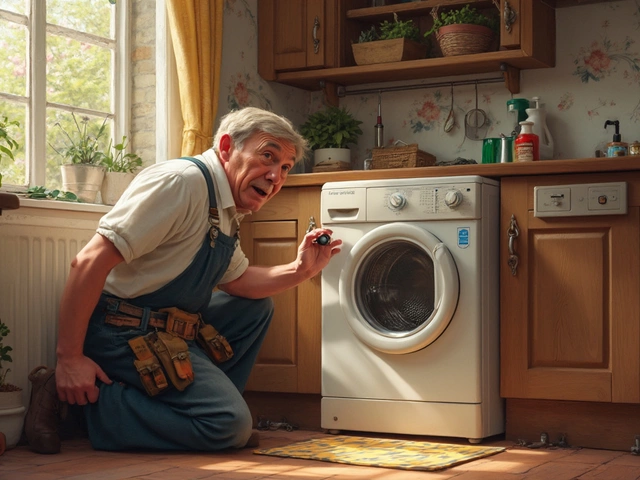
An appliance technician plays a crucial role in keeping household and commercial appliances running smoothly. They diagnose issues, perform necessary repairs, and offer maintenance tips to prevent future problems. Understanding their responsibilities helps in appreciating their importance. This article provides insights into the day-to-day duties of an appliance technician and offers tips for those aspiring to join this field.
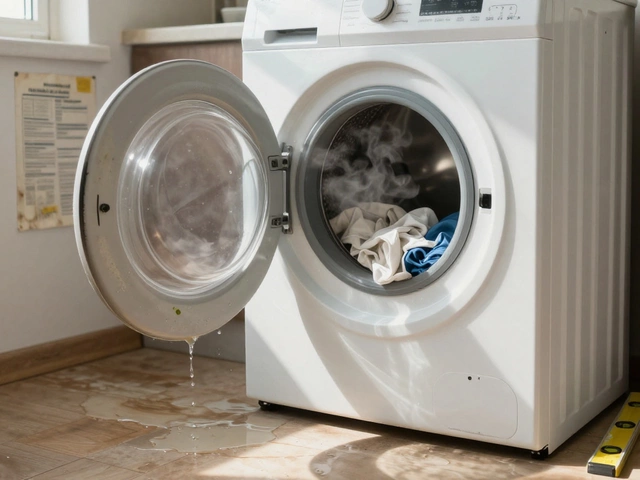
Most washing machines last 8-12 years, but signs like loud noises, leaks, or error codes mean it's time to consider repair or replacement. Learn how to extend its life and when it's better to buy new.

This article breaks down what an appliance standard really is and why it matters when you’re buying or servicing home appliances. You’ll learn about the rules that keep appliances safe and efficient, plus tips for spotting compliant models. It explains how standards affect your bills and the planet. Real-world examples make it clear and easy to understand. Use this guide to make smarter choices about your appliances.

Find out exactly how much to get a boiler serviced in 2026. We break down average costs, what's included, and tips to avoid hidden fees.
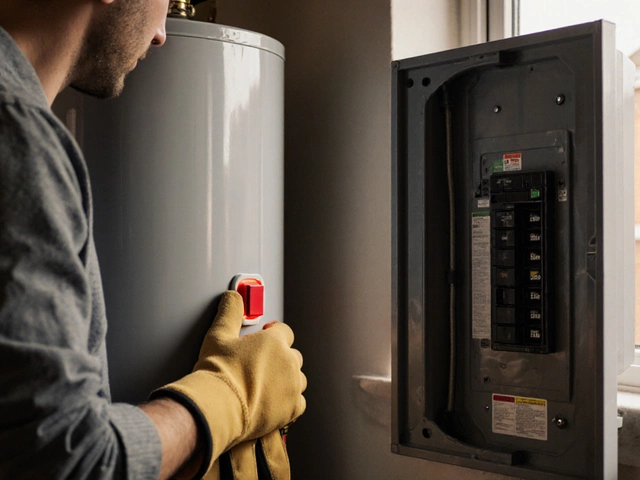
Learn when it's safe to press the water heater reset button, step‑by‑step instructions, common risks, and when to call a professional.