

Got a dryer that’s humming but not drying? The first thing you think about is the bill for fixing it. In Bognor Regis and the rest of the UK, dryer repair costs can vary a lot, but you don’t have to guess. Below we break down the main price drivers, give you rough numbers, and help you decide if a repair makes sense.
Most repair quotes are built from three parts: labour, parts, and travel. Labour is the time a qualified technician spends on the job. For an average dryer, you’ll see a labour rate between £45 and £80 per hour. A simple fix – like cleaning a lint filter or resetting a thermostat – might take 30 minutes, so you could pay as little as £30.
Parts are where the cost can jump. A broken heating element or motor often costs between £30 and £120, plus the labour to install it. More complex components, like a control board or drum belt, can push the parts price up to £150 or more. If the part is hard to find, the technician may need to order it, adding a small surcharge.
Travel fees are usually flat – around £10‑£15 – but some companies waive it if the job takes longer than an hour. Look for companies that are transparent about these fees in their quote.
Putting it together, a typical repair falls into these ranges:
These numbers are averages. Your exact cost will depend on the dryer model, how old it is, and how quickly a part can be sourced.
When the quote lands on your kitchen floor, ask yourself a simple question: will the repair cost less than 50% of a new dryer? A decent new dryer in the UK costs between £300 and £600. If your repair is projected at £250, you might be better off buying a new one, especially if the dryer is over seven years old.
Age matters because older machines are more likely to break again. Even if a repair is cheap now, another issue could pop up in a few months, adding more expense. Think about the energy efficiency too – newer models use less electricity, saving you money on running costs.
However, if the repair is under £100 and your dryer is only a few years old, fixing it is the smart move. You keep a reliable machine and avoid the hassle of moving a big appliance out of your home.
Here are three quick checks before you decide:
Finally, don’t forget to ask the technician for a written quote that lists labour, parts, and any extra fees. A clear quote helps you compare offers from different local repair services and avoid surprise charges.
Got more questions about dryer repair costs? Give us a call or drop us a message. We’ll give you a quick, no‑pressure estimate and tell you whether fixing or replacing is the better choice for your home.

When your dryer suddenly stops working or leaves your laundry sopping wet, it’s tough to know what your best next step is. Should you call in a repair service, try a DIY fix, or bite the bullet and shop for a new one? This article breaks down the real costs, tells you what repairs make sense, and gives you actionable tips so you don’t spend more than you have to. It covers which common dryer issues can be fixed on a budget, when to say goodbye to a worn-out machine, and how to make smart decisions that save time, money, and hassle.

Is your 10 year old dryer gasping for air, and you’re wondering if it’s time to fix or toss it? This article breaks down how long dryers usually last, what typical repair costs look like, and when it just makes more sense to get a new one. You’ll find smart tips to figure out if fixing an older dryer is throwing good money after bad or saving yourself from an expensive upgrade. Get real-life advice that skips the fluff and gets to the point.

A reliable heat pump is essential for maintaining comfort in your home. Some signs indicate that your heat pump might need replacing, such as increased energy bills, inconsistent temperatures, strange noises, old age, and frequent repairs. Understanding these warning signs can help you decide if it's time to invest in a new system.
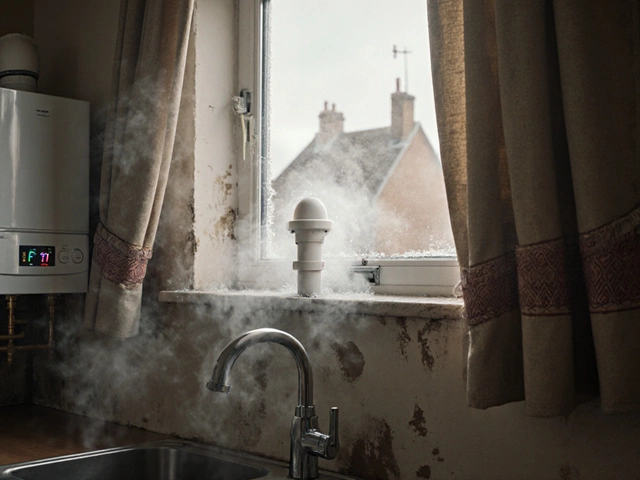
Your hot water stopped suddenly? This guide breaks down the top 7 causes - from low pressure to frozen pipes - and shows you how to fix them yourself before calling a plumber.
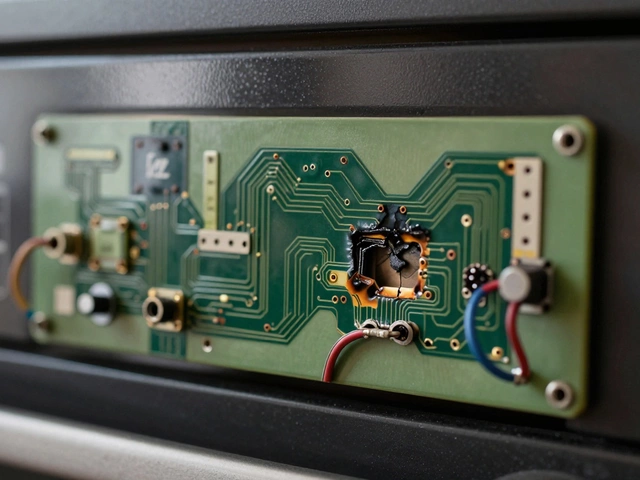
Learn the clear signs your electric oven's control board is failing, how to test it, what to check first, and whether to repair or replace. Save time and money with practical, real-world advice.
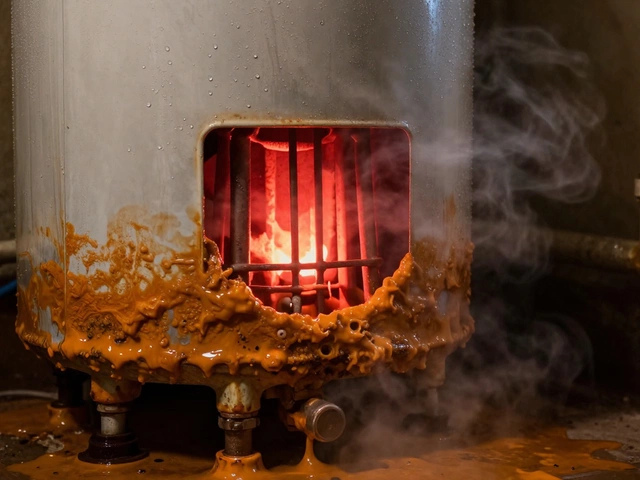
Sediment buildup from hard water is the #1 cause of water heater failure. Learn how mineral deposits damage your tank, why the anode rod matters, and simple steps to prevent leaks and extend your heater's life.