

If your cooker isn’t heating, making strange noises, or shows error codes, you don’t have to panic. Most issues are caused by a few easy‑to‑spot problems that you can tackle yourself. In this guide we’ll walk through the typical faults, show you quick DIY steps, and point out when it’s safer to call an expert.
First, check the power supply. A tripped breaker or a loose plug can make the whole unit look dead. Reset the breaker, firm up the plug, and see if the lights come back on. If the cooker powers up but still won’t heat, the heating element is the usual suspect. Look for a burnt spot or a broken coil; you can test it with a multimeter for continuity.
Another frequent issue is a blocked or dirty burner. Food residue can prevent the flame from igniting properly on gas models or stop the electric coil from heating evenly. Remove the burner, soak it in warm, soapy water, scrub gently, and dry before reinstalling. For gas cookers, also check the igniter – a dull spark often means it needs cleaning or a simple replacement.
Electronic control panels can misbehave after a power surge. Reset the cooker by turning it off at the mains for a minute, then turn it back on. If error codes keep appearing, look up the code in the user manual; many manufacturers list troubleshooting steps that involve cleaning sensors or re‑seating connections.
When you decide to replace a part, always unplug the cooker first. For electric ovens, unscrew the back panel, locate the faulty element, disconnect the wires, and fit the new one in the same position. For gas cookers, shut off the gas supply, remove the old igniter or burner, and install the new component, making sure all connections are tight.
Regular maintenance makes the big fixes less likely. Wipe the interior after each use, keep the knobs clean, and run a quick self‑clean cycle on electric ovens every few months. Checking the oven door seal for cracks can also improve heating efficiency and prevent heat loss.
If you’re not comfortable working with gas or electricity, it’s wise to call a qualified technician. A professional can spot hidden wiring problems, test gas pressure, and ensure everything meets safety regulations. Remember, safety always comes first – never force a part that feels stuck, and always follow the manufacturer’s safety warnings.
With a bit of patience and the right tools, many cooker hiccups can be solved at home. Keep this guide handy, do a quick visual check before each cooking session, and you’ll spend less time staring at a cold oven and more time enjoying your meals.

Thinking about repairing your cooker? This guide covers repair costs, when to fix or replace, and expert tips to help you decide what's best.
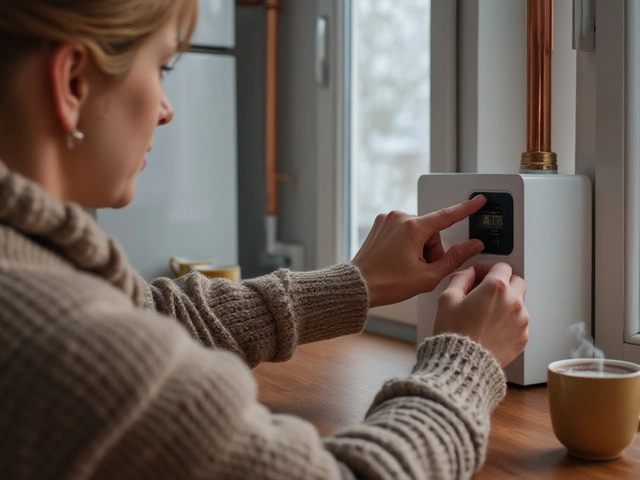
Maintaining a boiler goes beyond just an annual check-up. Regular maintenance ensures that your heating system runs efficiently, prolonging its lifespan and saving money on repairs. This article delves into necessary care tips, signs indicating a need for professional help, and actions homeowners can take to keep their boilers in top shape. Understanding the importance of each maintenance task can help prevent unexpected breakdowns, especially during colder months.

Discover if electric hobs can be fixed, cost breakdowns, DIY steps, safety tips, and when to replace. A practical guide for UK homeowners.

Annoyed by standing water at the bottom of your dishwasher? This article breaks down why your dishwasher isn't draining, what can cause it, and how to troubleshoot the most common issues. Learn about clogged filters, garbage disposal connections, and more. I'll also share some handy tips to help you prevent problems in the future. Whether you're a first-timer or have dealt with dishwasher headaches before, you’ll find practical advice here.

Fridge warm but the light works? Find out why your refrigerator isn’t cooling, common causes, fixes, and when to call in an expert. Easy troubleshooting tips inside.

Is your heat pump running but not cooling your home? Learn the real causes, expert troubleshooting tips, and practical solutions to get your comfort back.