

Most people think a cooker will work forever, but the truth is it has a useful life. In the UK a typical electric or gas cooker lasts around 10 to 15 years. Anything less than ten years usually means heavy use or a cheap unit, while good care can push the clock toward fifteen or even twenty years.
Several things decide how long your cooker stays reliable. Frequency of use is the biggest – a family that cooks three meals a day will wear out parts faster than a couple who eat out most nights. Quality of the original unit matters, too. Mid‑range models with solid burners and a decent oven cavity tend to outlast budget kits.
How you use the cooker also counts. Leaving the oven on for hours, using the grill at full blast, or running the hob on high heat constantly can stress heating elements and pressure valves. Regular cleaning helps avoid grease buildup, which can cause overheating and shorten component life.
Spotting the warning signs early can save you money. If burners or the oven take longer to heat up, that’s a sign the heating element is weakening. Strange noises, flickering lights, or an uneven temperature across the oven are also red flags. Minor faults like a cracked oven door seal are usually cheap to fix, while a failing gas valve or a cracked oven cavity can cost as much as a new cooker.
Quick cost guide: a simple hob element replacement often runs under £100, while a full gas valve fix can be £300‑£500. If repair costs exceed half the price of a new cooker, it’s usually smarter to replace. A brand‑new cooker with a five‑year warranty can cost £600‑£1,200, so weigh that against the repair bill.
DIY fixes are tempting for small jobs. Swapping an electric hob element or cleaning a clogged burner is doable with basic tools and a bit of caution. However, gas‑related work should be left to a Gas Safe registered engineer – safety first.
Maintenance habits can add years to your cooker’s life. Wipe spills right away, descale the oven if you use a lot of baked dishes, and check the oven thermostat annually. Flushing the gas line (for gas cookers) or testing the electric connections every few years helps catch problems before they become costly failures.
In short, expect your cooker to stick around for a decade or more if you treat it right. Keep an eye on heating performance, act quickly on odd noises, and don’t ignore repair quotes that seem too high. With a little routine care, you’ll spend less on emergency fixes and enjoy more delicious meals at home.

Wondering when to replace your cooker? This article breaks down the real signs that your cooker is on its last legs, what affects its lifespan, and how to keep it running safely for longer. Get practical tips straight from real-life experience and find out how to spot issues before they turn expensive. Whether you use gas or electric, knowing when to repair or replace makes all the difference in your kitchen.

Cookers are an essential part of any kitchen, and knowing their average lifespan can help in planning for replacements and repairs. On average, cookers last between 10 to 15 years depending on several factors like usage, maintenance, and brand quality. Regular maintenance and timely repairs can extend the life of your cooker significantly. Understanding the warning signs of wear and tear and knowing when to repair or replace can save both time and money. This article will dive into expert tips to maximize the life of your cooker.

Exploring the value of repairing a freezer involves assessing various factors, such as the cost of repairs, the appliance's age, and the efficiency improvements of newer models. Understanding common freezer problems can help homeowners decide whether a repair is worthwhile. The decision should account for both economic and environmental perspectives, guiding when to repair or replace.

Wondering what an appliance job really is? This article breaks down everything you need to know, from common types of jobs to what actually happens when a technician shows up at your door. You'll learn when to call for help, what to expect during a service visit, and how to get the best results for your money. Get practical tips before you book, so there are zero surprises. Whether it’s your fridge, washer, or oven acting up, this guide has your back.
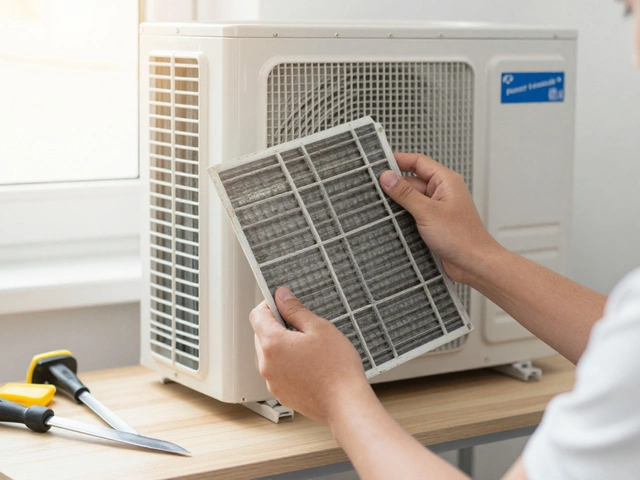
You can fix some heat pump issues yourself - like dirty filters or tripped breakers - but refrigerant leaks, compressor failures, and electrical problems require a professional. Know the limits before you try a DIY repair.
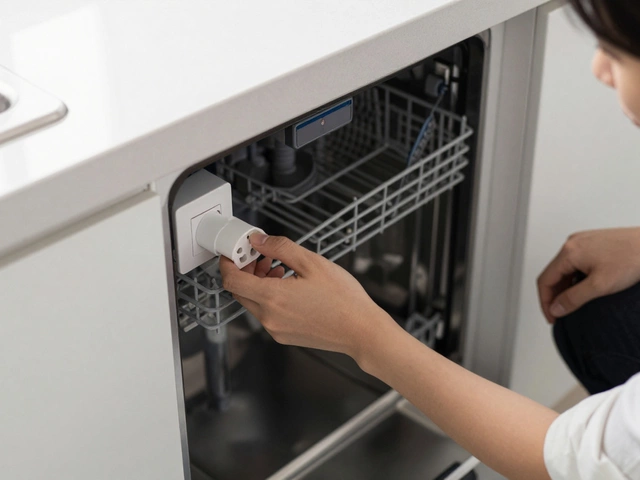
Learn how to reset your dishwasher using hard resets and brand-specific button codes. Quick fixes for Bosch, Samsung, Whirlpool, and more to clear error codes.

Curious about how your home appliances actually work? Get a full breakdown of what happens inside, troubleshooting tips, and smart ways to keep everything running smoothly.