

If you step into the shower and feel an icy blast, you don’t have to call a plumber right away. Most cold‑shower problems can be spotted and solved with a few quick checks. Below are the most common reasons why your shower is cold and what you can do about them.
Start with the obvious: make sure the water heater is running. Look at the control panel – is the power light on? If you have a gas tank, check that the pilot light is lit. A tripped breaker or a blown fuse can also cut power to an electric heater. Reset the breaker, replace a fuse, or relight the pilot, then wait a few minutes for the tank to heat up.
Many modern water heaters let you set the temperature with a dial or digital readout. If it’s set too low (under 120°F/49°C), your shower will feel lukewarm or cold. Raise the setting a few degrees, but stay below 140°F (60°C) to avoid scalding risks. After adjusting, give the heater about 30 minutes to reach the new temperature.
If you have a tankless system, make sure the flow rate isn’t too high for the unit. Reduce the faucet’s flow or clean the showerhead’s filter to improve heat transfer.
The mixing valve blends hot and cold water. Over time, mineral buildup can jam the cartridge so that only cold water gets through. Turn off the water supply, remove the valve handle, and pull out the cartridge. Soak it in vinegar for an hour, then rinse and reinstall. If the cartridge is cracked or corroded, replace it – they’re inexpensive and widely available at hardware stores.
Some showers use a TMV to keep the water at a safe temperature. A stuck TMV can default to cold. Like the shower cartridge, you can often clean it with vinegar or replace it altogether. Check the manufacturer’s manual for specific removal steps.
Air trapped in the pipes or a sediment‑filled heater can disrupt hot water flow. Run the hottest tap in the house for a few minutes to clear air. For a water heater, drain a few gallons (use a bucket) and let fresh water fill the tank. This can restore proper heating efficiency.
If you’ve tried the steps above and the shower is still cold, the issue may be more serious. Faulty heating elements, a broken thermostat inside the water heater, or a leaking pipe hidden behind walls require professional tools and expertise. Also, if you smell gas, see water pooling, or notice rust in the water, shut off the supply and call a licensed plumber or heating engineer immediately.
Remember, regular maintenance—flushing the heater once a year, cleaning showerheads, and checking valve function—prevents most cold‑shower headaches. With these quick checks, you can often solve the problem yourself and keep your bathroom running smoothly.

Frustrated by cold water instead of a hot shower? This guide breaks down the most common reasons your hot water is running cold, with simple fixes anyone can try at home.
Discover how long electric hobs last, from ceramic to induction models. Learn signs of failure, repair vs. replace costs, and tips to extend lifespan.
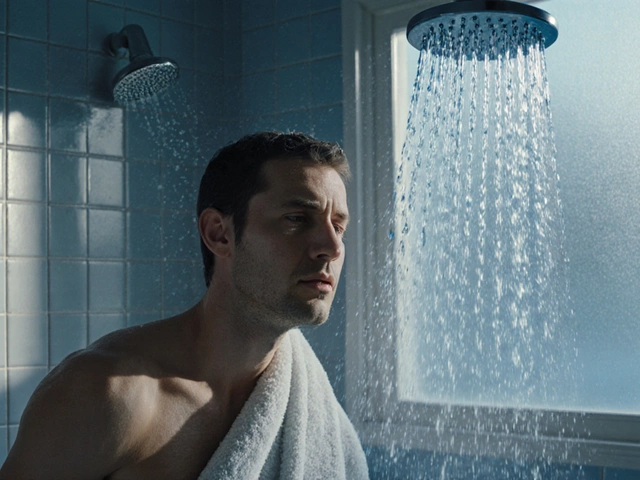
Find out why your hot water vanished, walk through quick DIY checks, learn simple fixes, and know when to call a professional for reliable heat restoration.
Learn exactly how to reset your electric hob when screens freeze or zones fail. This guide covers universal power cuts, button combinations, and recognizing genuine faults versus false alarms.
Discover what usually fails on a dishwasher, from door seals to drain pumps. Learn how to diagnose common issues, estimate repair costs, and decide when to fix or replace your appliance.

Wondering if that decade-old laptop should stick around or be kicked to the curb? This article dives into the practicality, challenges, and potential of keeping a 10-year-old laptop. With tips on upgrading components, performance tweaks, and sustainability, you'll discover whether holding on to an old device is a wise choice. Including pros and cons, this guide offers straightforward advice for the tech-savvy and beginners alike. Explore the balance between nostalgia and functionality in the ever-evolving world of technology.