

If your oven refuses to heat up, you’re probably wondering if you can sort it yourself or need a professional. The good news is many common problems are easy to identify and fix without breaking the bank.
First, make sure the oven is actually getting power. Look at the circuit breaker or fuse box – a tripped breaker is a frequent culprit. Reset it and see if the display lights up. While you’re at it, double‑check the oven’s door seal; a loose or damaged seal can cause heat loss and make the oven think it’s not reaching temperature.
Next, inspect the oven’s temperature sensor. It’s a small metal rod inside the cavity that tells the control board how hot things are. If the sensor is dirty or misaligned, the oven may stop heating. Unplug the oven, locate the sensor (usually near the back wall), wipe it clean with a damp cloth, and reseat it securely.
The most common reason an electric oven won’t heat is a burnt heating element. Look inside the oven cavity for a metal coil or a thick, dome‑shaped piece at the bottom. If it’s discolored, cracked, or broken, it needs replacement. You can order the right part using your oven’s make and model – most retailers list the exact part number.
Replacing the element is straightforward. After unplugging the oven, remove the mounting screws that hold the element in place. Pull the element out gently, disconnect the wiring harness, and snap the new element onto the harness. Secure it with the screws, plug the oven back in, and run a quick test. If the oven heats up, you saved yourself a call‑out fee.
If you’re not comfortable handling electrical components, you can still do a safe check. Use a multimeter set to “ohms” to test continuity. A good element shows a low resistance reading (usually between 20‑40 Ω). No reading means the element is dead and must be swapped.
Even after replacing the element, keep an eye on the oven for any strange smells or uneven heating. Sometimes the thermostat or control board can also cause issues. If the oven still won’t reach the set temperature, it’s time to bring in a specialist.
So, when should you call Bognor Regis Appliance Repair Experts? If you’ve tried the power reset, sensor clean, and element swap but the oven stays cold, a trained technician can diagnose deeper problems like a faulty thermostat, damaged wiring, or a busted control board. Our team works fast, arrives on time, and gets your oven back to baking mode without hidden costs.
Remember, safety comes first. Never attempt repairs on a gas oven yourself – the gas lines require professional handling. For electric ovens, always disconnect power before touching any parts. A quick safety check can prevent injuries and protect your home’s wiring.
In a nutshell, start with the basics: power, door seal, sensor, then element. If those steps don’t solve the issue, trust the experts to avoid costly mistakes. A working oven means more home‑cooked meals and fewer trips to the take‑away.
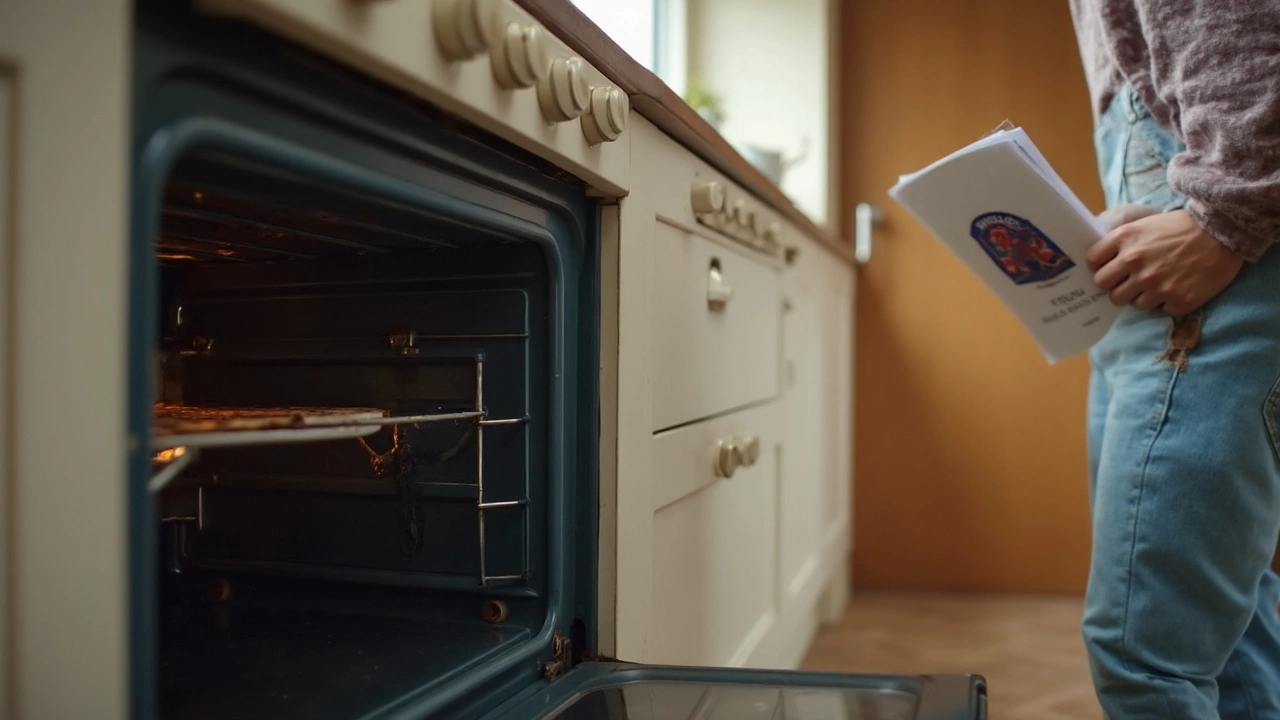
Wondering if you can still use your oven with a broken heating element? This article breaks down what actually happens when the heating element fails and what your options are. Learn about safety concerns, possible workarounds, and when it’s smarter just to fix it instead of limping along. Get tips on recognizing a bad element and ideas for a cheap, fast repair. Find out what really works and what won’t, straight from someone who’s fixed more than a few ovens themselves.

Wondering if your oven's heating element is faulty? Learn how to identify signs of a broken oven element, including visual inspections, testing with a multimeter, and troubleshooting tips. This guide offers essential knowledge to help you diagnose and fix any issues, ensuring your oven works efficiently. Stay informed about safety precautions and when it might be time to call a professional.
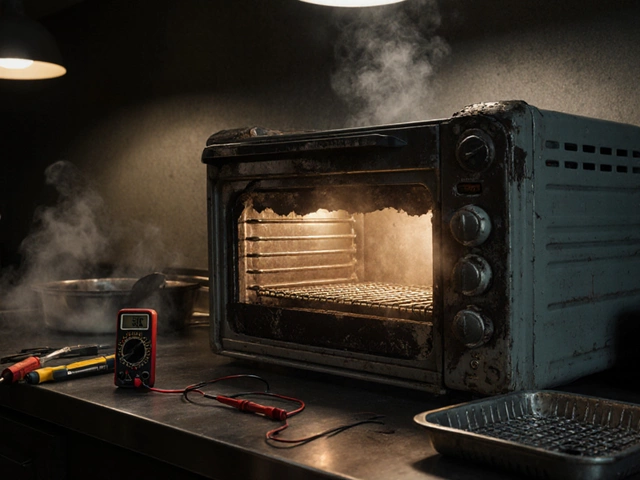
If your electric oven isn't heating, it's usually due to a broken element, faulty thermostat, or blown thermal fuse. Learn how to diagnose and fix the most common causes quickly and safely.
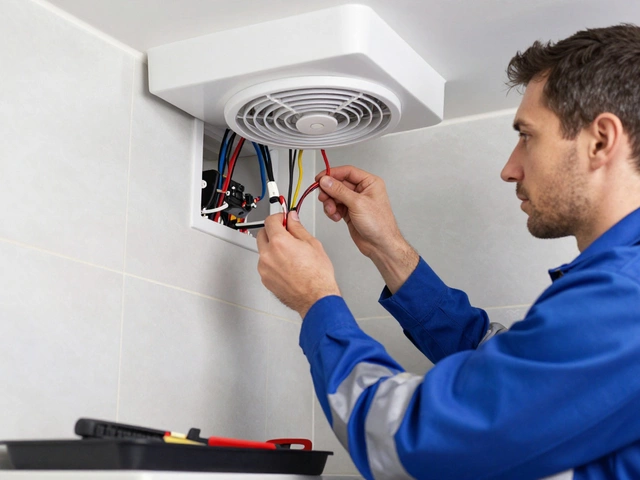
Discover which tradesperson fits an extractor fan. Learn when to hire an electrician vs. a plumber for safe, compliant UK installations.
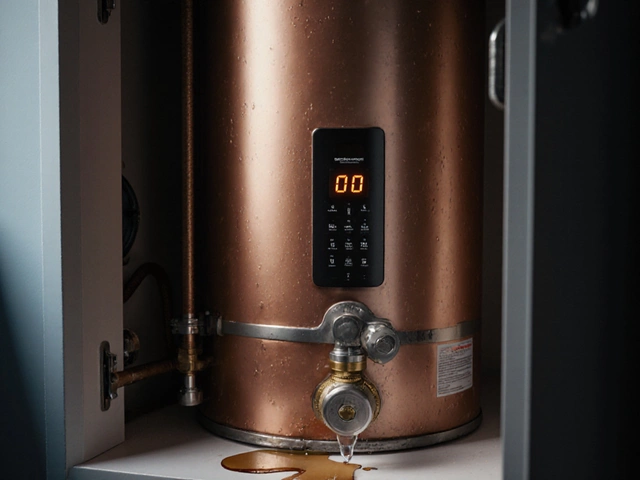
Spot the top warning signs of a failing hot water heater, from strange noises and leaks to temperature swings and error codes, plus practical fixes and when to call a pro.

Wondering if your 20-year-old oven can be repaired? Discover repair tips, replacement part insights, costs, and when it makes sense to swap your old oven for a new one.
Learn how long vented, condenser and heat‑pump tumble dryers typically last, what factors affect their lifespan, and how regular maintenance can add years.