

If your electric hob has stopped heating, flickers, or shows odd error codes, you’re probably wondering what to do next. The good news is many hiccups can be sorted at home with a few tools and a bit of patience. The bad news? Some issues are best left to the pros, especially when electricity and gas are involved. Below we break down the most common problems, easy DIY steps, and clear signs that you should dial a qualified repair service.
First, pinpoint the symptom. Does one burner refuse to heat while the others work fine? Is the whole hob dead? Most broken hobs fall into three buckets:
Knowing the clue helps you choose the right fix.
One of the most common DIY jobs is swapping a dead element. Here’s a quick rundown:
If the new element still won’t heat, the wiring or control board is likely at fault.
Safety tip: Never work on a hob that still has power. If you’re uncomfortable with electrical work, stop now and call a certified repair technician.
When should you let the experts take over? If you notice any of these signs, it’s time to call Bognor Regis Appliance Repair Experts:
Professional technicians have the proper testing equipment and the knowledge to safely replace control boards or repair internal wiring. They’ll also offer a warranty on their work, giving you peace of mind.
In summary, a broken electric hob isn’t always a disaster. Simple element failures can be fixed in under an hour with basic tools. For wiring or board issues, skip the guesswork and book a local repair service. Quick action keeps your kitchen running smoothly and prevents small problems from turning into costly replacements.

When your electric hob stops working, it's more than just a minor inconvenience—cooking essentials go awry, family meal plans are disrupted. Understanding some common causes and fixes is crucial before calling in the big guns or rushing to buy a new unit. From circuit issues, faulty sensors, and even user errors, many problems have straightforward solutions. This guide walks you through troubleshooting steps and shares tips to keep your hob cooking strong.
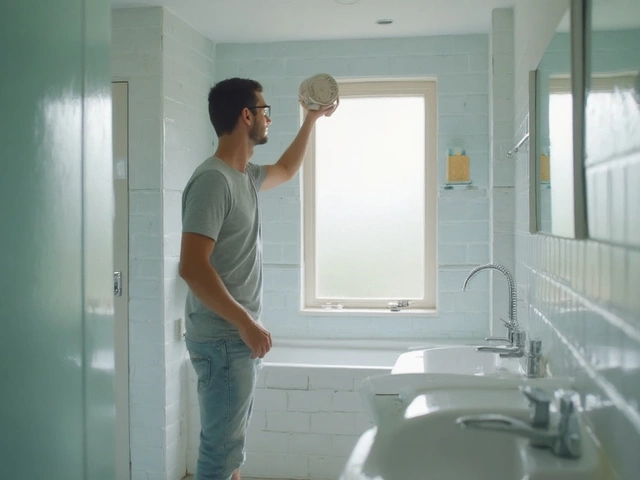
Nobody wants to deal with a stuffy bathroom or smoky kitchen, but if your extractor fan isn’t working, that’s exactly what you’ll get. This article shows you how to check if your extractor fan is doing its job or just taking up space. From simple power checks to quick airflow tests, you’ll learn hands-on methods anyone can use—no tech wizardry needed. Expect practical tips, a couple of helpful tricks, and signs that tell you when it’s time to call an expert. Don’t let stale air hang around: let’s figure out what your fan is up to.

Extractor fans are essential for maintaining air quality in enclosed spaces like kitchens and bathrooms. When these fans break down, they can lead to moisture buildup and unpleasant odors. This guide offers practical advice on fixing a broken extractor fan, providing step-by-step instructions that any homeowner can follow. Learn how to diagnose common issues and the tools needed to restore your fan to working order.

A malfunctioning boiler can be a real nuisance, especially during the cold months. Understanding whether a broken boiler constitutes an emergency is crucial. This article provides insights into when to prioritize boiler repairs, potential risks associated with delayed attention, and essential DIY tips to consider before professional help arrives. Dive into valuable advice on maintaining your heating system efficiently.

Plumbers can install extractor fan ductwork, but only electricians can legally wire them. Learn who to call for safe, code-compliant installation and how to avoid costly mistakes.
Learn why a toilet is classified as a plumbing fixture, not an appliance, and how this impacts warranties, insurance, and repair choices.