

When working with boiler troubleshooting, the systematic process of diagnosing and fixing problems in residential heating boilers. Also known as boiler diagnostics, it helps you avoid cold showers and soaring energy bills. Boiler, a sealed vessel that heats water for central heating and hot‑water supply often shares components with a water heater, an appliance that provides domestic hot water, usually with a built‑in thermostat and safety switch. In many homes a heat pump, a system that extracts ambient heat to warm water or air, can work alongside a boiler to boost efficiency. boiler troubleshooting starts with understanding how these pieces interact.
Why does boiler troubleshooting matter? A faulty boiler can leak carbon monoxide, trip safety switches, or leave you shivering on a chilly night. The most common warning signs include no hot water, strange noises, leaking pipes, and an unexpected rise in the heating bill. Each clue points to a specific subsystem—like the pressure valve, ignition module, or circulator pump. Recognizing the pattern lets you narrow down the cause quickly, which is the essence of a proper diagnostic approach. This process directly links to safety, energy savings, and extending the lifespan of both the boiler and any connected water‑heating devices.
Effective troubleshooting follows a simple three‑step loop: identify the symptom, isolate the component, and test the fix. You’ll need a few basic tools—a pressure gauge, multimeter, screwdriver set, and a user manual for the specific model. Start by checking the pressure gauge; low pressure often triggers the boiler’s shutdown mode. Next, inspect the thermostat settings and verify that the pilot light (or electronic igniter) is functioning. Finally, run a short test cycle while monitoring for error codes on the control panel. This systematic method not only solves the immediate problem but also builds confidence for future issues.
Many homeowners mistake a water‑heater reset for a boiler fault. The high‑limit switch on a water heater trips when the temperature exceeds safe levels, and the reset button restores operation. However, repeated resets usually indicate a deeper issue—such as a failing heating element or sediment buildup—that can also affect a boiler’s heat‑exchange efficiency. By understanding the reset process for a water heater, you gain insight into how temperature controls work across both appliances, making it easier to spot the root cause when the two systems share a common hot‑water loop.
Heat pumps add another layer to the troubleshooting puzzle. When a heat pump isn’t delivering warm air, the boiler may over‑compensate, leading to higher pressure and frequent shutdowns. Checking the outdoor unit for ice buildup, verifying the refrigerant level, and ensuring the fan is operating correctly can prevent unnecessary strain on the boiler. In short, a well‑maintained heat pump reduces the workload on the boiler, which in turn lowers the likelihood of boiler‑related failures.
Deciding between DIY fixes and professional service hinges on the complexity of the issue and safety considerations. Simple tasks—like resetting a water heater, bleeding radiators, or cleaning a boiler filter—are safe for most homeowners. Anything involving gas lines, internal combustion components, or electrical rewiring should be left to a certified engineer. Professional service also includes a thorough safety inspection, which can catch hidden faults before they become costly emergencies.
Below are the top problems you’ll encounter and a brief action plan for each. Leaking pressure relief valve: turn off the power, relieve system pressure, and replace the valve if the seat is corroded. No hot water: check the diverter valve position, verify the thermostat isn’t set to “off,” and inspect the flow sensor. Strange noises: air trapped in the system causes banging; bleed radiators and purge the pump. High energy bills: a dirty heat exchanger or a malfunctioning flame sensor can force the boiler to work harder; clean the exchanger and test the sensor with a multimeter. Each fix follows the same identify‑isolate‑test loop described earlier, keeping the process straightforward.
Armed with this overview, you’re ready to dive into the detailed articles below. They cover everything from safe water‑heater resets to heat‑pump integration, giving you the knowledge to troubleshoot confidently or know when to call a qualified technician.
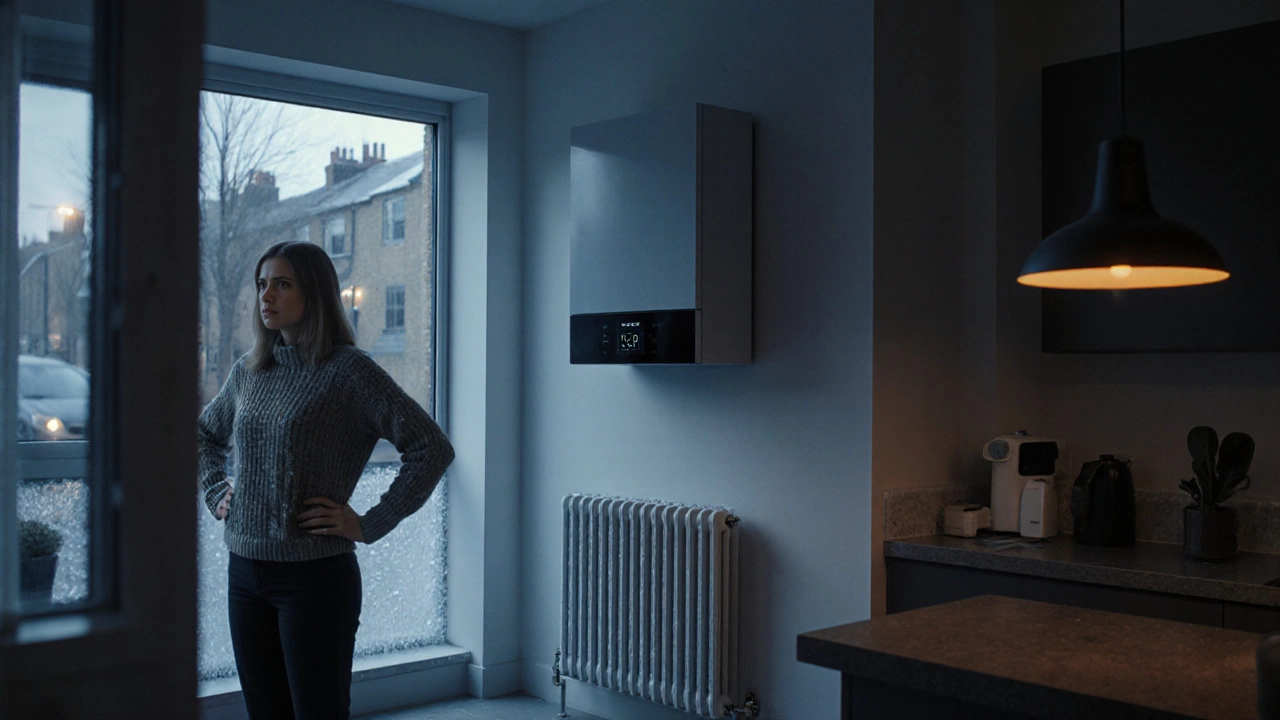
A practical UK guide that tells you exactly who to call when your boiler fails, how to verify a qualified engineer, and what steps to take before and after the repair.
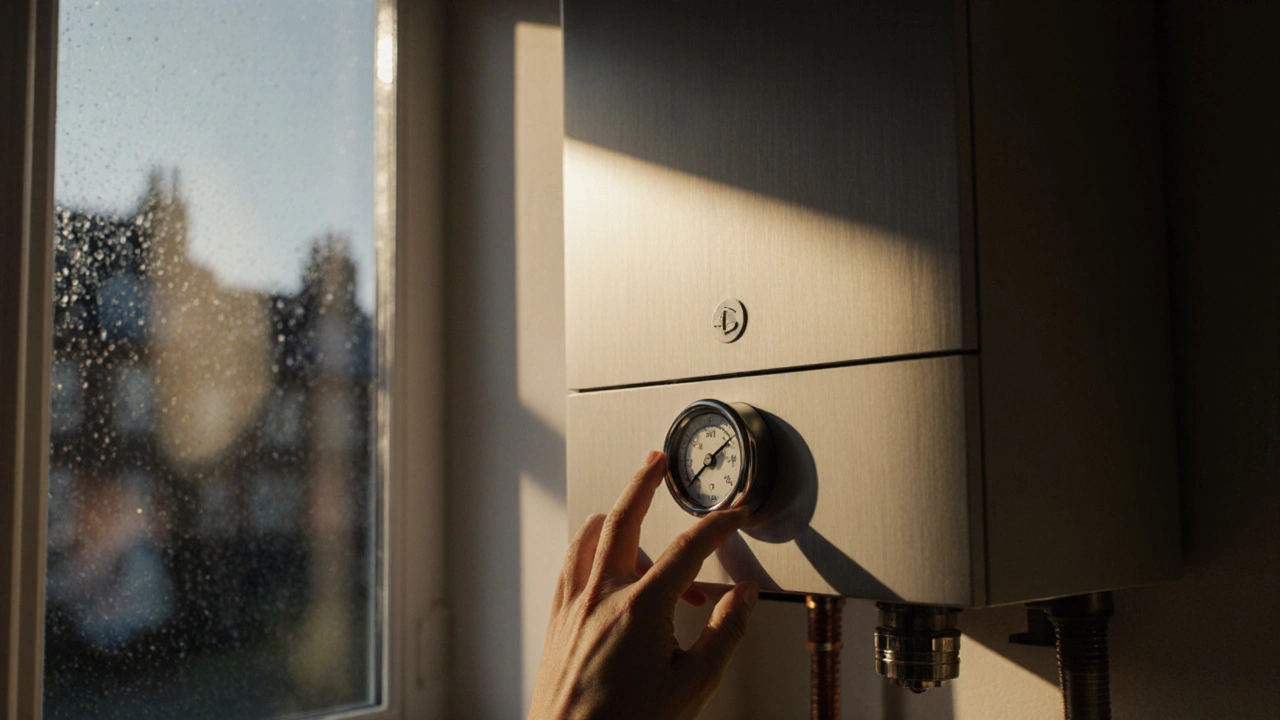
Step‑by‑step guide to diagnose common boiler problems, covering pressure, thermostat, fault codes, leaks, and when to call a professional.
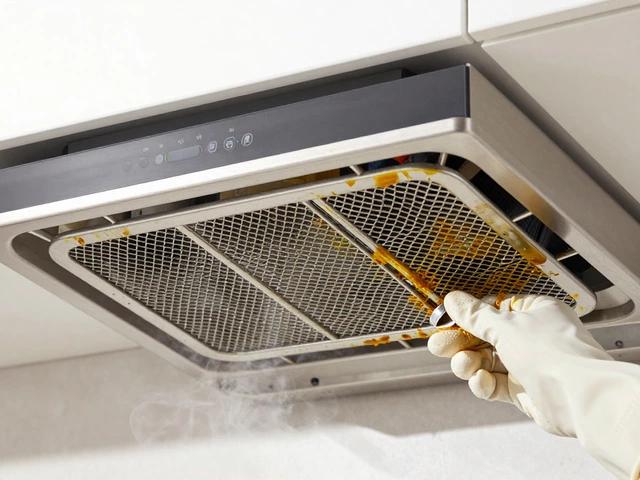
Learn how to troubleshoot a broken extractor fan step-by-step. From cleaning filters to testing capacitors, this guide helps you fix common issues like weak suction, humming noises, and complete failure safely.
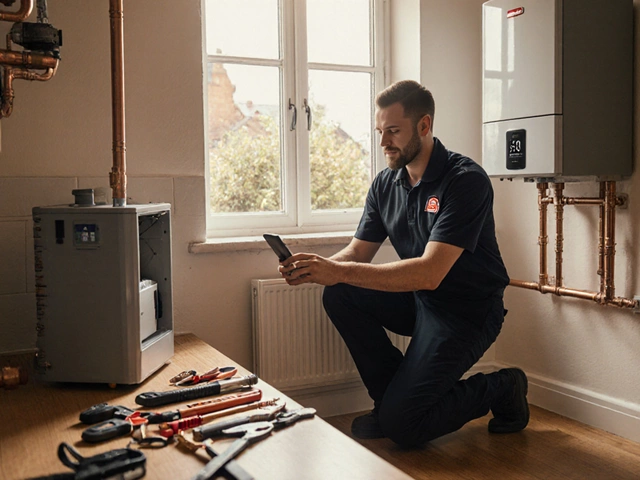
Replacing a boiler in 2025 costs between £2,000 and £4,500 on average. Learn what affects the price, when to replace vs repair, and how to save with government grants. Make an informed decision for your home.

Replacing an extractor fan might seem challenging, but with the right tools and some guidance, it can be done efficiently. This guide outlines the process of replacing an extractor fan, from identifying signs it needs replacement to understanding how to choose the right model. Learn practical tips for handling installation and maintaining safety during the project. Make this task more approachable with easy-to-follow steps designed for beginners.
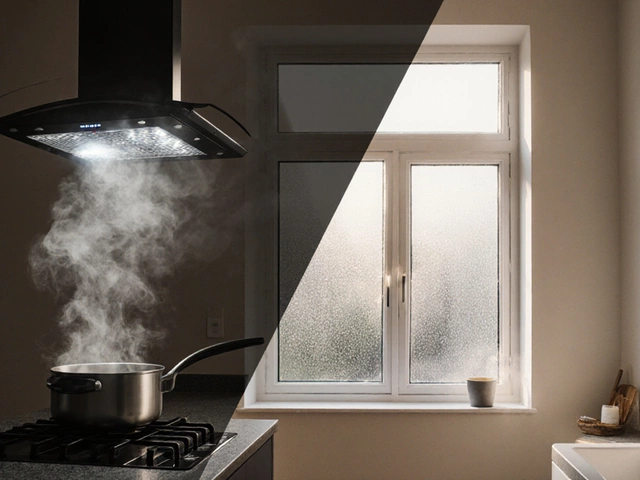
Explore whether you can live without an extractor fan, covering UK regulations, health risks, passive ventilation tricks, dehumidifier use, and when a mechanical fan becomes essential.
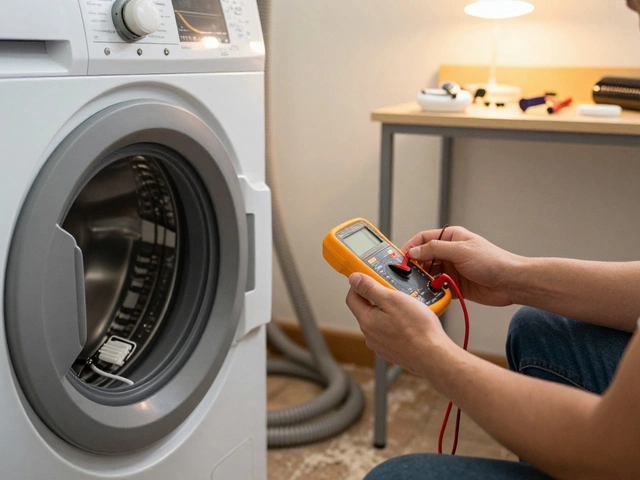
Learn how to fix common dryer problems yourself-no experience needed. Save money and avoid service calls with simple repairs like replacing belts, fuses, and cleaning vents.