

If your boiler stops working or makes strange noises, it’s more than an inconvenience – it can be a safety risk. Regular checks and timely service protect you from leaks, carbon‑monoxide, and costly breakdowns. Below are the basics you can do yourself and the signs that tell you it’s time to call an expert.
Even if you’re handy, a boiler is a high‑pressure, gas‑powered system. Call a qualified Gas Safe engineer if you notice any of these red flags: low water pressure (below 1 bar), a persistent “hissing” sound, visible rust on pipes, or a strong smell of gas. Also, if the thermostat isn’t responding or the radiators stay cold after a full heating cycle, don’t guess – let a pro diagnose the issue.
Professional service isn’t just for emergencies. A yearly boiler service catches hidden faults before they become dangerous. In 2025 the average cost is around £80‑£120, but skipping it can lead to expensive repairs or a full replacement, which easily tops £2,000. Think of the service as insurance for your heating.
There are a few quick checks you can do without opening the boiler. First, look at the pressure gauge on the boiler’s front panel. It should sit between 1 and 1.5 bar when the system is cold. If it’s low, you can top it up using the filling loop – just follow the manufacturer’s guide or watch a short video from a trusted source.
Second, test your carbon‑monoxide (CO) detector every month. A working detector is the best warning if your boiler is leaking CO, a silent killer. If the alarm beeps, ventilate the house immediately and call a professional.
Third, bleed radiators that feel cool at the top. A trapped air bubble reduces heat output and can cause the boiler to work harder, increasing wear. Use a radiator key, turn the valve slowly, and catch any water in a cloth.
Finally, keep the area around the boiler clear. Dust and clutter can block ventilation, raising the risk of overheating. A clean, well‑ventilated space helps the boiler run efficiently and reduces fire hazards.
Remember, safety isn’t just about fixing a breakdown; it’s about preventing one. Schedule a service before the heating season, check the pressure and CO detector regularly, and don’t ignore strange noises or smells. With these habits, you’ll keep your boiler humming, your home warm, and your family safe.
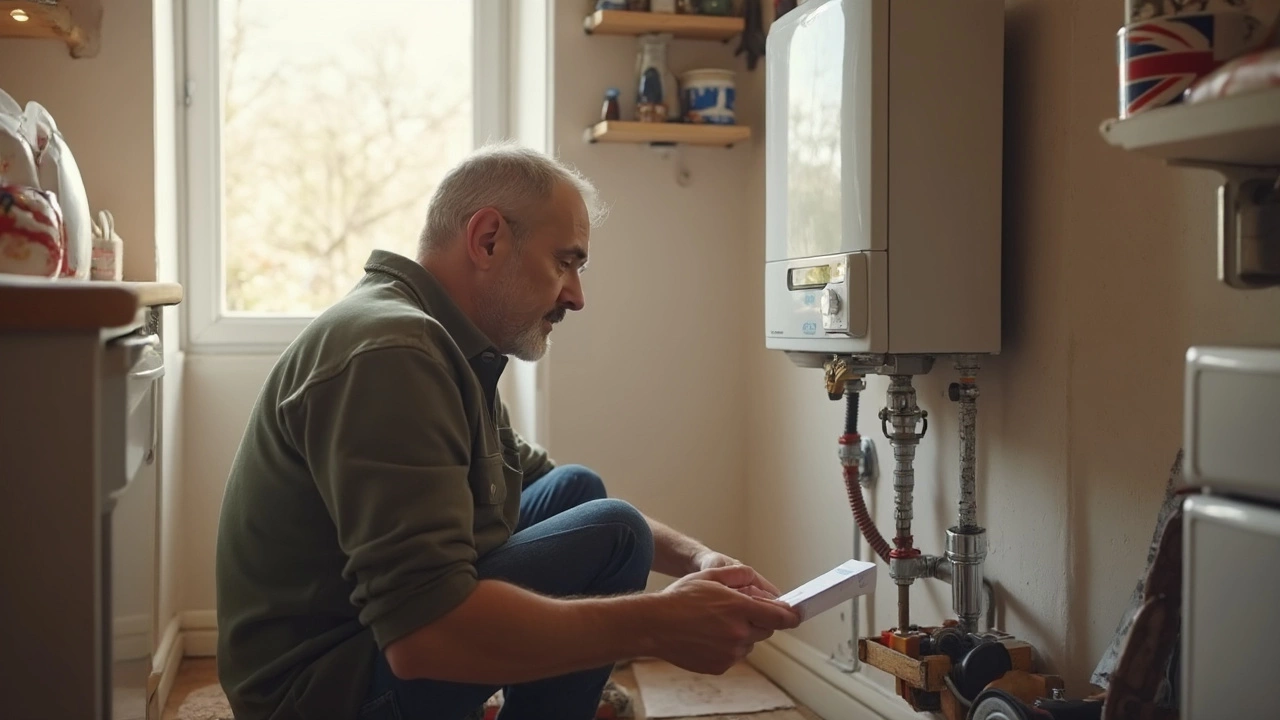
Thinking about handling your own boiler service? Get the truth about what you can and can’t do, why safety matters, and which tasks are okay for homeowners. This article covers legal restrictions, common mistakes to avoid, and practical tips for everyday boiler care. Learn how to spot problems early and when it's really time to call a pro. Save yourself headaches, money, and maybe even a major disaster by knowing the facts.
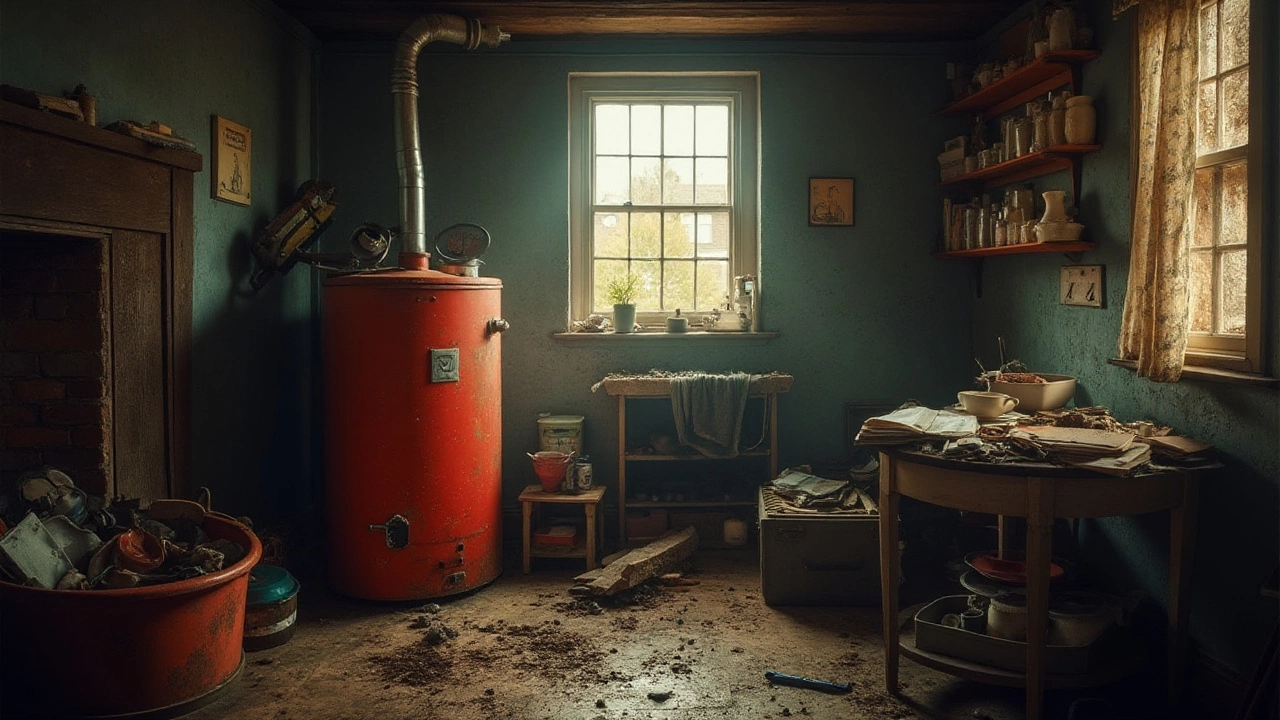
A 40-year-old boiler can pose potential safety risks. Understanding the wear and tear it undergoes over the decades is crucial. Regular maintenance and safety checks are essential to ensure it operates safely. Homeowners should consider the pros and cons of keeping such an old appliance. Discover tips and advice on making informed decisions regarding your boiler's safety and efficiency.
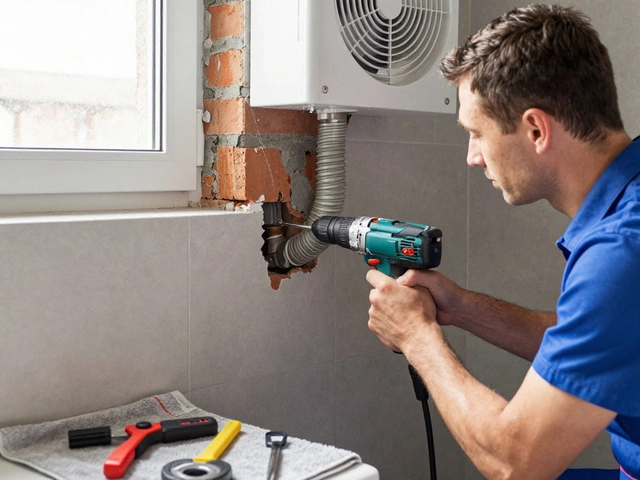
Can a plumber fit an extractor fan? While they can install the unit, only a qualified electrician can legally and safely handle the wiring. Learn what you need to know before hiring anyone.

Most extractor fans can be repaired with simple fixes like cleaning, capacitor replacement, or tightening parts. Learn when DIY works and when to call a pro to avoid costly damage from damp and mold.
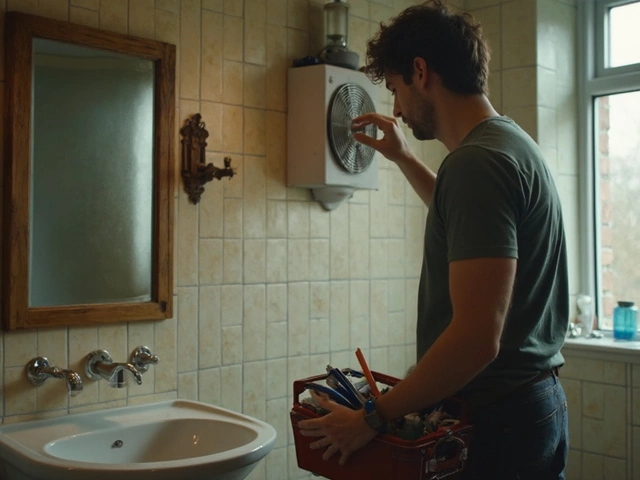
Thinking about swapping out your old extractor fan? This guide digs into how easy (or not) it really is to replace an extractor fan in your bathroom or kitchen. Get the lowdown on what tools you'll need, common surprises people miss, and what makes some fans trickier than others. If you're not sure when to call in a pro, we've got your back there, too. Get ready for a clear, no-nonsense breakdown.
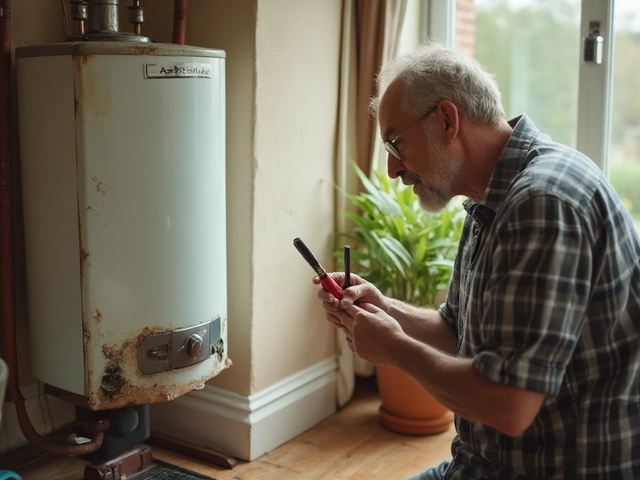
Water heaters are essential in our daily lives, yet they often fail more quickly than expected. Understanding the common causes of these failures can help in preventing them. In this article, we delve into why water heaters often break down prematurely and offer practical tips on extending their lifespan. Regular maintenance and awareness of common issues are key to ensuring your water heater runs efficiently for years.
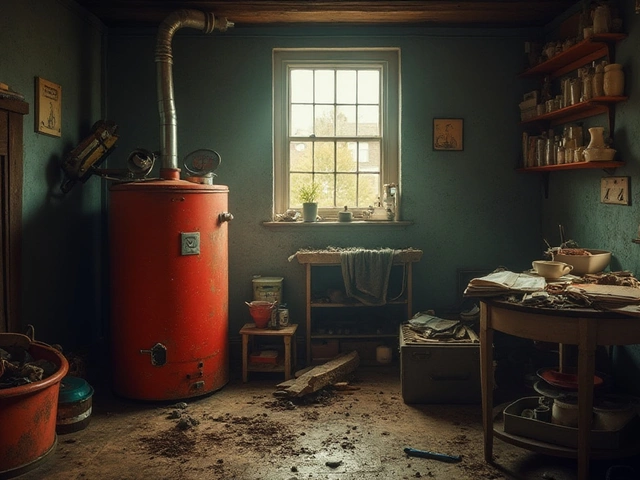
A 40-year-old boiler can pose potential safety risks. Understanding the wear and tear it undergoes over the decades is crucial. Regular maintenance and safety checks are essential to ensure it operates safely. Homeowners should consider the pros and cons of keeping such an old appliance. Discover tips and advice on making informed decisions regarding your boiler's safety and efficiency.