

When your boiler, the central heating unit that keeps your home warm and provides hot water. Also known as a central heating system, it’s one of the most critical appliances in any UK home. stops working, you’re faced with a simple but costly question: repair or replace? It’s not just about the price tag—it’s about age, efficiency, safety, and how much longer it’ll actually last. A boiler that’s 15 years old might seem fixable with a new part, but if it’s already using 30% more gas than a modern model, every repair is just buying time before the next breakdown.
That’s where boiler repair cost, the price to fix a malfunctioning unit, often ranging from £150 to £600 depending on the issue comes in. Common fixes like resetting the pressure, replacing a faulty pump, or fixing a broken thermostat are usually worth it—if the boiler is under 10 years old. But if you’re spending more than half the price of a new unit on repairs, or if the same problem keeps coming back, you’re throwing money down the drain. And don’t forget boiler replacement cost, the total expense of installing a new unit, typically between £2,000 and £4,000 in 2025, including removal, new pipework, and Gas Safe certification. It sounds steep, but a new A-rated boiler can slash your heating bills by 20-30% each year. Over five years, that adds up to hundreds, sometimes thousands, in savings.
Age is the biggest clue. If your boiler is over 12 years old, even if it’s working now, it’s running on borrowed time. Parts become harder to find, efficiency drops, and breakdowns get more frequent. A 20-year-old boiler might still heat your home, but it’s also a safety risk—older models can develop gas leaks or carbon monoxide issues without warning. Replacing it isn’t just smart economics; it’s a household safety move. And let’s not forget the noise. If your boiler sounds like a freight train every time it kicks on, that’s not just annoying—it’s a sign the internal components are wearing out fast.
Then there’s the hidden cost: downtime. A broken boiler in winter means no hot water, no central heating, and a house that feels like a freezer. Repairs can take days if parts need ordering. A replacement, while more expensive upfront, often gets you back to normal in a single day. And with new models offering smart controls, leak detection, and remote monitoring, you’re not just buying heat—you’re buying peace of mind.
So how do you decide? Start by checking your boiler’s age and energy rating. Look at how often you’ve needed repairs in the last year. If it’s more than once, or if your bills have been creeping up, replacement is likely the better long-term play. If it’s a one-off issue—like a faulty ignition or a minor leak—and your unit is under 10 years old, repair makes sense. But don’t wait until it dies completely. A proactive replacement gives you time to shop around, compare quotes, and avoid the stress of an emergency call-out in the middle of winter.
Below, you’ll find real-world guides on boiler repair costs, what signs mean your unit is failing, how to spot a fair quote, and when a 15-year-old boiler is better off in the scrapyard. No fluff. Just clear, practical advice to help you make the right call—for your wallet, your comfort, and your safety.
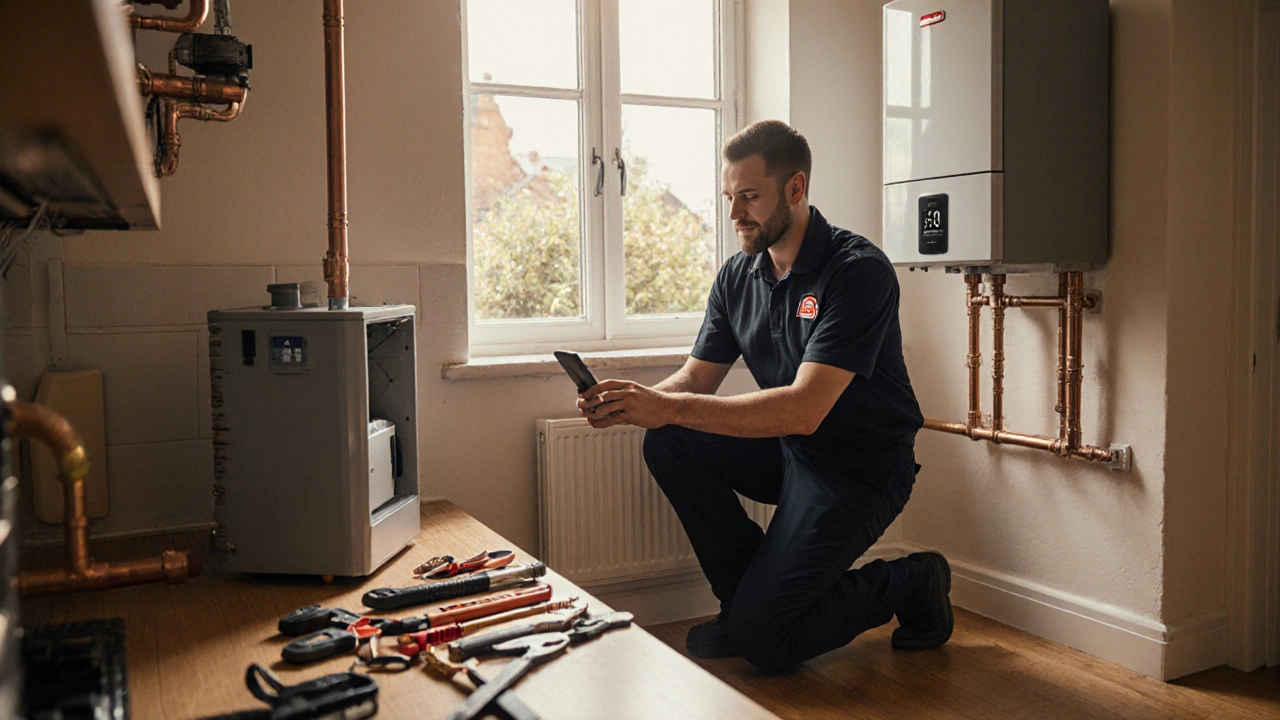
Replacing a boiler in 2025 costs between £2,000 and £4,500 on average. Learn what affects the price, when to replace vs repair, and how to save with government grants. Make an informed decision for your home.
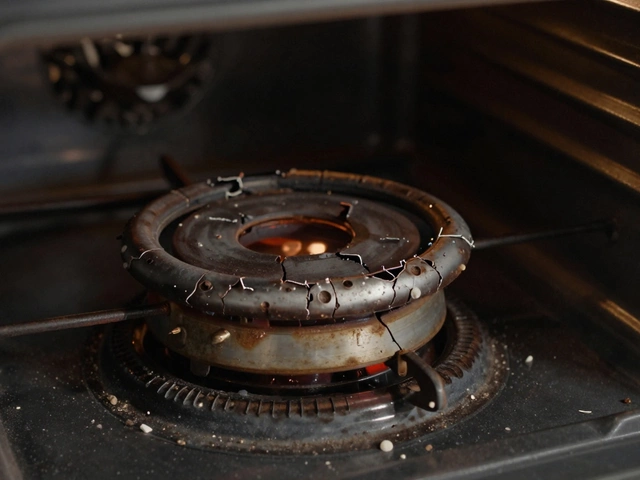
If your oven won't heat up, it's usually a simple fix-like a broken element, faulty thermostat, or blown fuse. Learn the most common causes and how to diagnose them yourself before calling a repair technician.

Discover practical solutions to restore hot water in your shower with ease. Learn about common problems affecting water heaters and the steps to troubleshoot each issue. This guide will walk you through changing settings, checking components, and knowing when to call a pro. Take control of your hot water system and enjoy a soothing shower experience once again. Ideal for homeowners facing frustrating lukewarm showers.

An electric oven is a kitchen essential that brings culinary magic to life, but sometimes it can start showing signs of wear and malfunction. If you notice uneven cooking, strange noises, or the oven simply won't heat, these could be indicators of a problem needing repair. Knowing the common signs can help you determine if troubleshooting is possible or if it's time to call a professional. From the thermostat issues to faulty heating elements, this guide provides insights into recognizing and addressing potential oven problems.
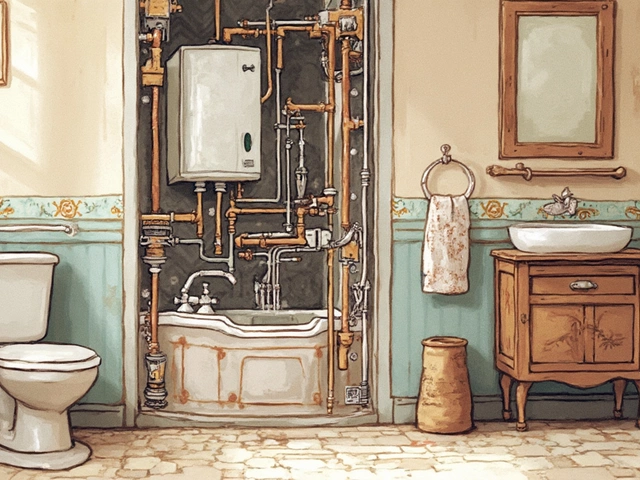
A failing water heater element can leave you in the chilly lurch just when you need a warm shower. Learn how to diagnose the problem with simple, straightforward steps. This guide covers common symptoms, testing methods, and practical tips for handling a faulty element. We'll explain what's involved and offer insights for DIY repair or knowing when to call a professional.

Wondering if that decade-old laptop should stick around or be kicked to the curb? This article dives into the practicality, challenges, and potential of keeping a 10-year-old laptop. With tips on upgrading components, performance tweaks, and sustainability, you'll discover whether holding on to an old device is a wise choice. Including pros and cons, this guide offers straightforward advice for the tech-savvy and beginners alike. Explore the balance between nostalgia and functionality in the ever-evolving world of technology.