

When your boiler, a central heating system that provides hot water and warmth to your home. Also known as a central heating unit, it's one of the most critical appliances in your house stops working, it’s not just inconvenient—it can turn your home cold in minutes. Boiler issues don’t always mean a full replacement. Often, it’s something simple: low pressure, a faulty thermostat, or a blocked pipe. But if you hear gurgling, see leaks, or get a fault code flashing, it’s time to pay attention. Many people panic and assume they need a new boiler, but 7 out of 10 boiler problems can be fixed quickly by a qualified engineer.
One of the most common causes of boiler repair, the process of diagnosing and fixing faults in a home heating system is low water pressure. It’s easy to check—just look at the pressure gauge on the front of your boiler. If it’s below 1 bar, you can usually top it up yourself using the filling loop. Another big one? A frozen condensate pipe. In winter, that thin white pipe outside your house can freeze, causing the boiler to shut down with an error code. A warm bottle of water poured over the pipe often fixes it. Then there’s the gas safe engineer, a certified professional qualified to work on gas appliances in the UK. By law, only a Gas Safe registered engineer can fix gas boilers. If you’re unsure, don’t guess. A wrong move can leak gas or cause carbon monoxide buildup. That’s not a DIY job.
Boiler repair cost varies a lot. A simple fix like replacing a pump or resetting the system might be under £100. But if the heat exchanger is cracked or the control board is fried, you’re looking at £400 to £800—and sometimes more than a new unit. That’s why knowing the signs of failure matters. Strange noises, cold radiators even when the boiler’s on, or water leaking from the bottom? These aren’t just annoyances. They’re warnings. And if your boiler is over 10 years old, repairs might not be worth it. Energy efficiency drops, parts get harder to find, and breakdowns become more frequent.
Most boiler issues follow patterns. If your boiler cuts out after a few minutes, it’s likely overheating. If it won’t ignite at all, the igniter or gas valve could be faulty. If you’ve got hot water but no heating, the diverter valve might be stuck. These aren’t guesses—they’re common diagnoses from thousands of repairs across the UK. The posts below give you real, step-by-step fixes, cost breakdowns, and clear guidance on when to call in help. You’ll find guides on boiler diagnosis, what fault codes mean, how to spot a scam engineer, and whether fixing your boiler makes financial sense in 2025. No fluff. Just what actually works.
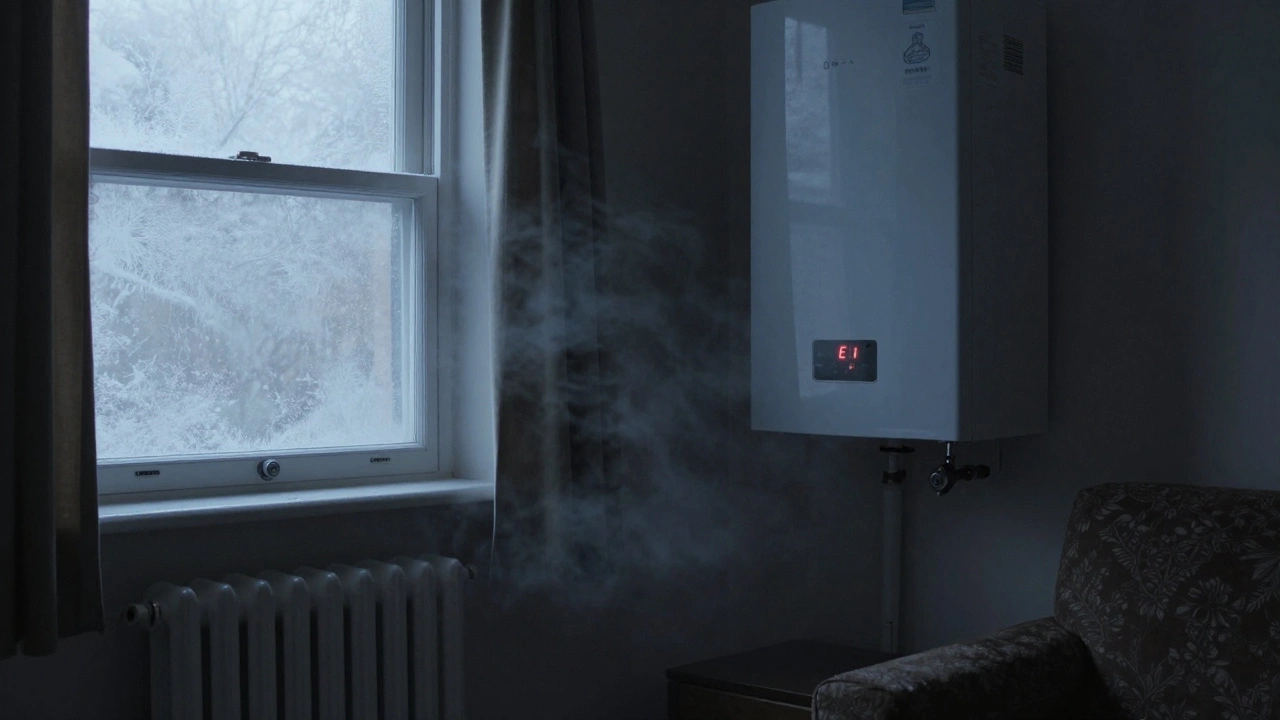
Learn the 7 clear signs your boiler is broken, from cold radiators to strange noises and gas smells. Know when to repair and when to replace before winter hits.
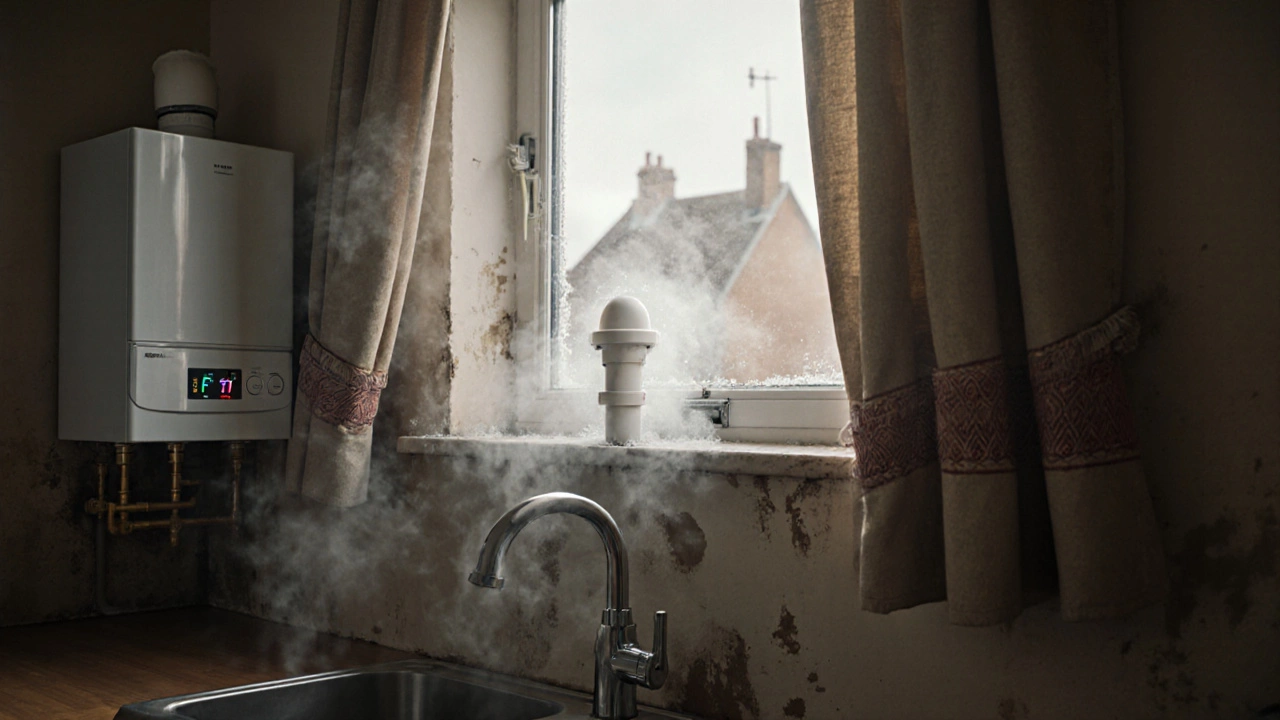
Your hot water stopped suddenly? This guide breaks down the top 7 causes - from low pressure to frozen pipes - and shows you how to fix them yourself before calling a plumber.
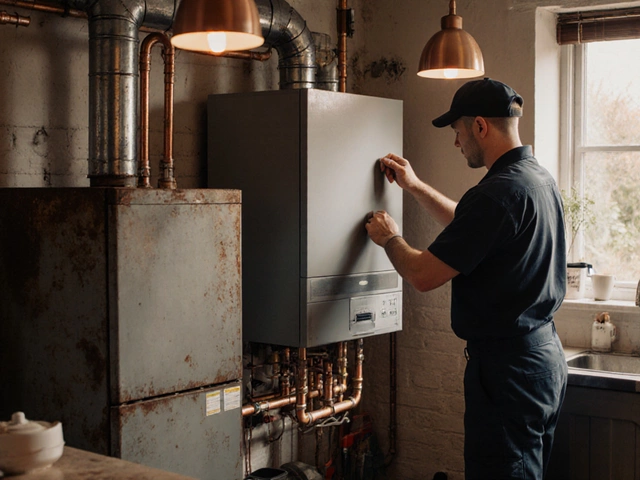
Find out how much a new boiler costs in 2025, including prices by type, installation fees, rebates, and how to avoid overpaying. Learn when to replace your boiler and what to look for in a quote.

Trying to figure out if you should repair your electric stove or just buy a new one? This article breaks down the real costs, common repairs, and the value of fixing versus replacing. Find out what issues are usually fixable, what repairs make sense, and when to let go. You'll also get practical tips for simple DIY fixes and signs you need a pro. Make a smart choice for your kitchen and your wallet.

Struggling with an electric oven that isn't doing its job? This article guides you through common problems you might face with your electric oven, from strange noises to uneven cooking. You'll learn specific symptoms to watch for and practical ways to check what's wrong before calling a professional. Discover tips to keep your oven running smoothly and avoid kitchen headaches. No complicated jargon—just real advice that actually works.

Discover how much boiler service costs in 2025, what affects the price, what's included, and tips to save money while keeping your heating safe and reliable.
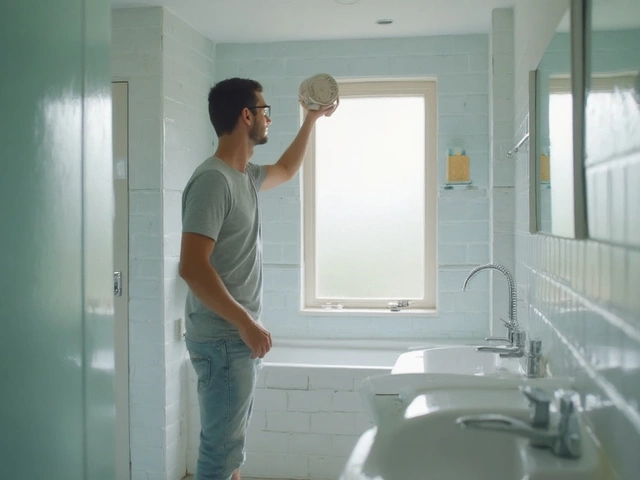
Nobody wants to deal with a stuffy bathroom or smoky kitchen, but if your extractor fan isn’t working, that’s exactly what you’ll get. This article shows you how to check if your extractor fan is doing its job or just taking up space. From simple power checks to quick airflow tests, you’ll learn hands-on methods anyone can use—no tech wizardry needed. Expect practical tips, a couple of helpful tricks, and signs that tell you when it’s time to call an expert. Don’t let stale air hang around: let’s figure out what your fan is up to.