

Got a boiler that feels slow or makes weird noises? Chances are it’s losing efficiency. A well‑tuned boiler uses less fuel, keeps your home warm, and cuts your bills. The good news is that most of the quick fixes are things you can do yourself or with a quick call to a local expert.
First, look at the pressure gauge. It should sit between 1 and 1.5 bar when the system is cold. Anything lower means the boiler can’t push hot water around effectively, and higher can cause leaks. Adjusting the pressure is simple – just follow the fill‑valve instructions in your manual.
Next, clear any dust from the radiators and the boiler’s heat‑exchanger. A layer of grime blocks heat transfer, making the boiler work harder. A quick vacuum or a soft brush does the trick. While you’re at it, bleed any cold spots in radiators using the bleed key – you’ll hear a hissing sound as air escapes, then the radiator warms up faster.
Regular servicing is the backbone of good efficiency. A qualified engineer will check the burner, the pump, and the flue for any blockages. They’ll also test the combustion to make sure the boiler is burning fuel correctly. In 2025, a boiler service typically costs between £80 and £150, but skipping it can cost you double in higher fuel bills.
If your boiler is more than ten years old, ask the engineer about its seasonal efficiency rating (the SEDBUK rating in the UK). Modern models often hit 90‑95% efficiency, while older ones can dip below 80%. When the gap widens, replacing the unit might be cheaper than endless repairs.
Another easy win is upgrading the thermostat. A programmable or smart thermostat lets you lower the temperature when you’re out or asleep, cutting waste. Set the heating to turn off automatically at night and come back on just before you wake up – you’ll notice the savings quickly.
Insulation matters too. Even the best boiler can’t fix a poorly insulated house. Check for drafts around doors and windows, add loft insulation, and consider pipe insulation for the heating loop. These steps keep the heat where you want it and reduce the load on your boiler.
Finally, keep an eye on the boiler’s run‑time. If you notice it cycling on and off many times a day, it could be a sign of a faulty pump or a sensor problem. Short cycling wastes fuel and can wear out components faster. A quick service call can pinpoint the cause before it turns into a costly breakdown.
In short, a few simple habits – checking pressure, cleaning heat surfaces, bleeding radiators, and scheduling annual service – go a long way toward keeping your boiler efficient. When the boiler is old, noisy, or constantly breaking down, weigh the repair cost against a new, high‑efficiency model. The right choice saves money, keeps you warm, and reduces your carbon footprint.
Ready to boost your boiler’s performance? Start with the quick checks, book a service, and watch your energy bills drop. If you need a trusted local engineer, give Bognor Regis Appliance Repair Experts a call – we’ll make sure your boiler runs at its best.
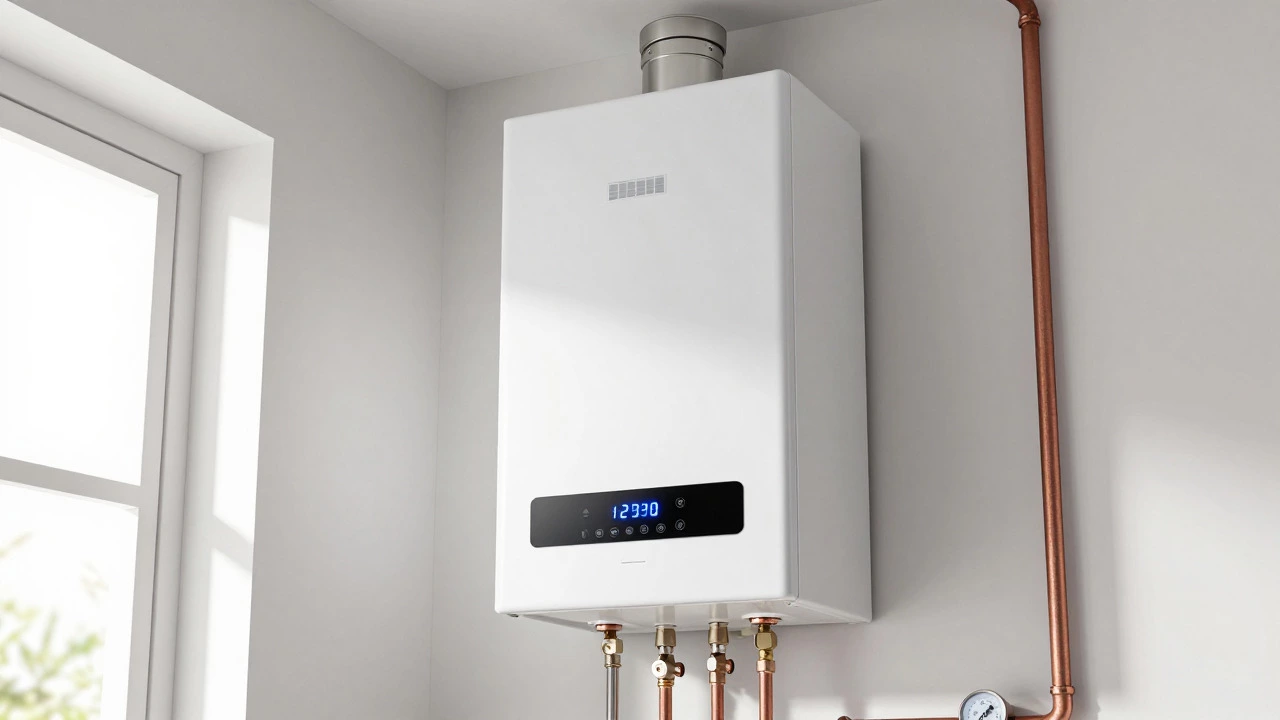
Discover why annual boiler servicing is essential for safety and efficiency. Learn what to expect during a check, warning signs to watch for, and how to save money on energy bills.

Ever wonder if switching your boiler on and off harms it? This article unpacks how boilers handle frequent power cycles, what really wears them out, and when switching off could save you cash or cause problems. Find out the best ways to run your boiler for both safety and savings. Practical tips and real facts—all in plain English. Avoid costly repairs by knowing how to treat your boiler right.
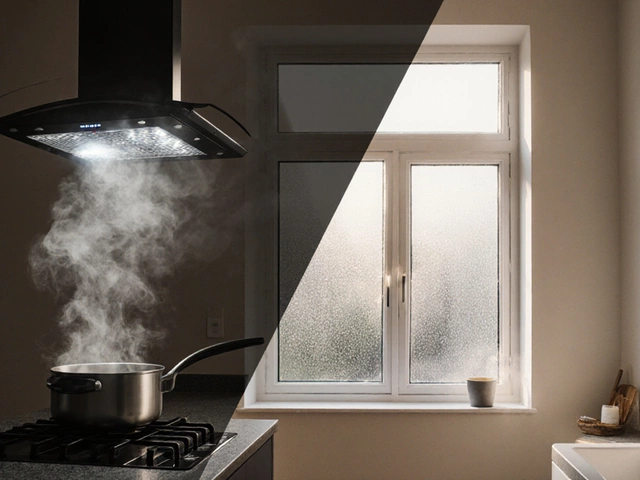
Explore whether you can live without an extractor fan, covering UK regulations, health risks, passive ventilation tricks, dehumidifier use, and when a mechanical fan becomes essential.

Thinking about how long your boiler will keep working? This article explains the real lifespan of boilers, the factors that affect how long they last, and how to spot when yours might be on its last legs. You'll get practical tips for stretching out your boiler's life and advice about when it's smarter to repair or just replace. Stay warm and avoid surprise breakdowns with these straightforward facts.

Wondering how long your electric stove is supposed to last? This article breaks down real-world numbers, explains what impacts the life of an electric stove, and gives you the know-how to make yours last longer. You’ll get practical advice on repairs versus replacement, and tips to avoid common pitfalls that cut appliance life short. Choosing the right upkeep now can save you money and headaches later. Perfect for homeowners who want their kitchen running smoothly for years.
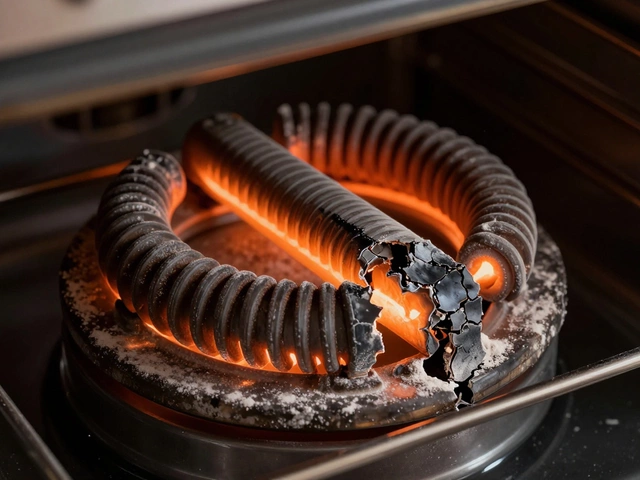
Learn how to tell if your oven element is blown by checking for visible damage, testing with a multimeter, and observing oven behavior. Most oven heating issues are simple fixes.

Ever got frustrated with cold showers while waiting for your hot water heater to get fixed? This article breaks down how long it really takes to repair different types of water heaters, from common issues you can fix yourself to problems that call for a pro. You'll learn what affects the repair timeline, plus some quick tips to speed things up. No more second-guessing if you’ll be stuck with icy water all day. Get the facts so you can plan around your next repair.