

When your boiler starts acting up, you feel the chill right away. A noisy pump, a cold shower, or a sudden rise in your energy bill are all red flags that something’s wrong. Ignoring those signs can turn a simple fix into a big, expensive repair. Below you’ll find the most common symptoms of boiler damage, easy steps you can try at home, and clear guidance on when to leave it to a qualified engineer.
First, pay attention to the noises. A knocking, rattling, or whistling sound often means there’s air trapped in the system, a loose part, or scaling inside the heat exchanger. Leaks are another giveaway – look for water pooling around the boiler or damp patches on walls and floors. If the pressure gauge is constantly low or spikes up, the pressure valve might be faulty. Finally, any odd smells, especially a rotten‑egg odor, point to a gas leak and need immediate professional attention.
Before you call anyone, try a few simple checks. Turn the system off, let it cool, and bleed the radiators to release trapped air. This often stops the knocking and brings the pressure back into the normal range. Next, check the condensate pipe; a blockage can cause the boiler to shut down. A quick clear‑out with a garden hose usually does the trick.
If the pressure is low, you can top it up using the filling loop – just follow the manufacturer’s instructions and watch the gauge move to the recommended level (usually 1.0–1.5 bar). Don’t over‑fill – that can cause more damage. Finally, make sure the thermostat is set correctly and that the timer isn’t accidentally switched off.
Some issues are best left to the experts. Persistent leaks, strange smells, or a boiler that won’t start after you’ve tried the above steps are clear signals to call a Gas Safe registered engineer. Also, if the heat exchanger shows signs of corrosion or the boiler is more than 10‑12 years old, a professional inspection can tell you whether repair or replacement makes sense.
Cost‑wise, a minor part replacement (like a valve or pump) usually runs under £150, while a full boiler replacement can be £2,000‑£4,000 depending on size and efficiency rating. Getting several quotes and checking the engineer’s credentials helps you avoid hidden fees.
Regular maintenance is the cheapest way to dodge major damage. An annual service checks the burner, controls, and safety devices, catching wear before it becomes a breakdown. It also keeps your boiler running efficiently, which saves on energy bills.
Remember, a properly maintained boiler not only keeps you warm but also reduces the risk of carbon monoxide exposure. If you ever suspect a gas leak, open windows, turn off the boiler, and call an emergency service right away.
Bottom line: watch for noises, leaks, and pressure changes, try the quick DIY fixes, and don’t hesitate to call a qualified engineer when the problem persists. Staying on top of these steps means fewer surprises, lower repair costs, and a cozy home all winter long.

Ever wonder if switching your boiler on and off harms it? This article unpacks how boilers handle frequent power cycles, what really wears them out, and when switching off could save you cash or cause problems. Find out the best ways to run your boiler for both safety and savings. Practical tips and real facts—all in plain English. Avoid costly repairs by knowing how to treat your boiler right.
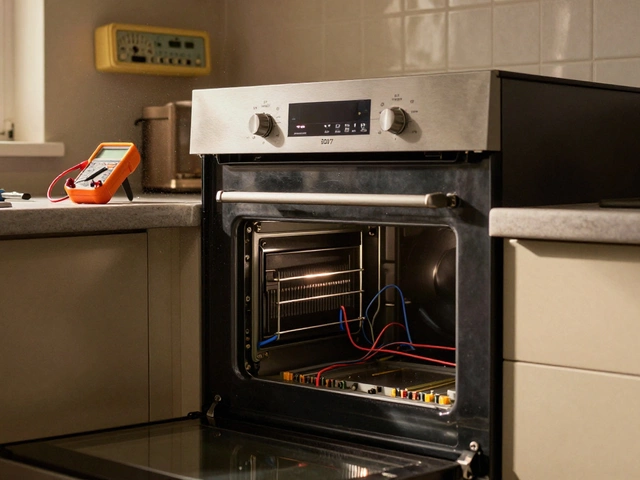
Is replacing your oven control board worth it? Learn the real costs, when to repair vs replace, and what most UK homeowners get wrong. Save money and avoid costly mistakes.
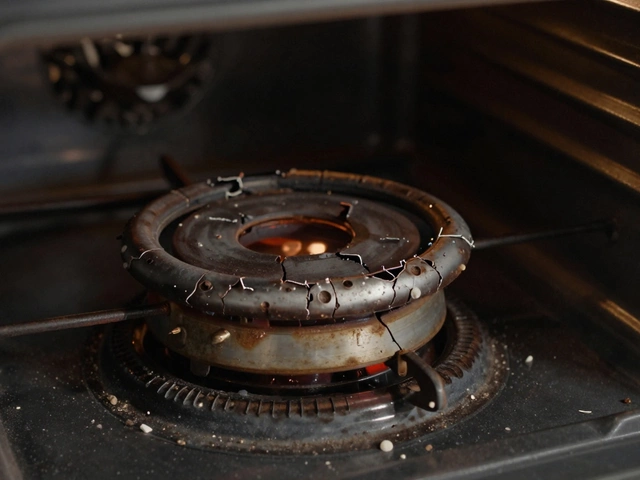
If your oven won't heat up, it's usually a simple fix-like a broken element, faulty thermostat, or blown fuse. Learn the most common causes and how to diagnose them yourself before calling a repair technician.
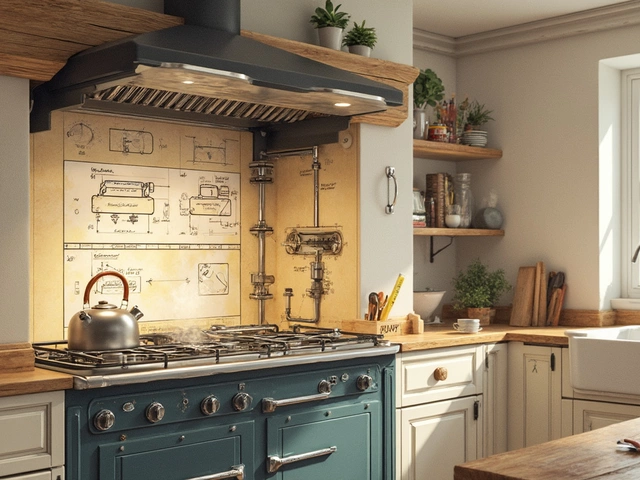
Extractor fans are essential for maintaining good air quality, especially in kitchens and bathrooms. When they stop working, it might be due to electrical, mechanical, or cleanliness issues. Understanding the root causes of fan failures can save you time and money in repairs. Discover common problems, practical tips, and preventive measures to keep your fan spinning efficiently.
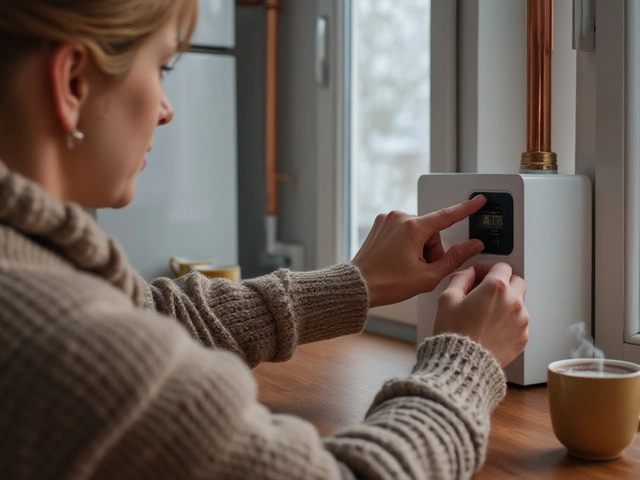
Maintaining a boiler goes beyond just an annual check-up. Regular maintenance ensures that your heating system runs efficiently, prolonging its lifespan and saving money on repairs. This article delves into necessary care tips, signs indicating a need for professional help, and actions homeowners can take to keep their boilers in top shape. Understanding the importance of each maintenance task can help prevent unexpected breakdowns, especially during colder months.
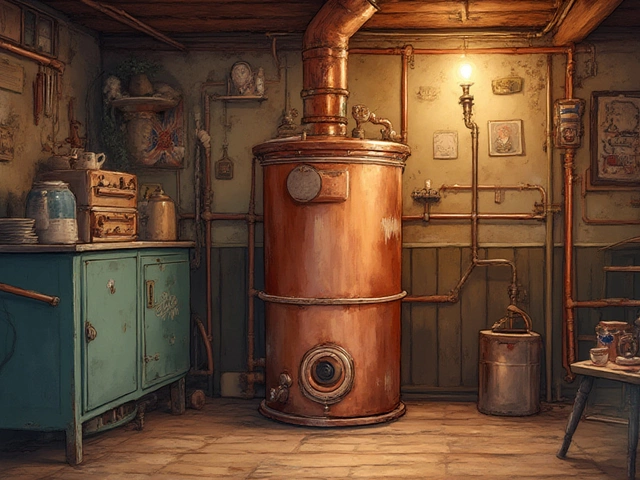
Is it possible for a hot water heater to last 30 years? Here’s a detailed look at what determines water heater longevity, what rare cases look like, and how you can extend your heater’s life with smart habits.