

If your washing machine, fridge or oven suddenly stops working, a blown fuse is often the culprit. It’s cheap, easy to replace, and testing it yourself can save a call‑out fee. This guide walks you through the whole process – from gathering tools to interpreting the result – so you can get your appliance back in action fast.
A fuse protects the wiring inside an appliance. When something draws too much current, the fuse blows and cuts power. Because it’s a single, inexpensive part, a bad fuse is a common reason for a dead appliance. Checking the fuse before you open up the machine helps you avoid unnecessary disassembly and gives you a clear next step: replace the fuse or look for a deeper problem.
1. Gather the basics. You’ll need a multimeter or a simple continuity tester, a screwdriver, and the replacement fuse that matches the original rating (usually printed on the fuse itself).
2. Unplug the appliance. Safety first – pull the plug from the wall socket and wait a minute. This removes any stored charge and protects you from a shock.
3. Locate the fuse. Most appliances have a fuse in the power cord or inside the main housing. Look for a glass or ceramic tube with metal caps on each end. If you can’t find it, check the user manual – it will show a diagram.
4. Remove the fuse. Use the screwdriver to open the fuse holder. Gently pull the fuse out; it should slide out easily. Take note of its amperage rating (e.g., 5A, 13A) and voltage (usually 240V for UK appliances).
5. Test for continuity. Set your multimeter to the “ohms” or continuity mode. Touch one probe to each metal cap on the fuse. If the meter beeps or shows a low resistance (near 0 Ω), the fuse is good. If there’s no beep and the reading stays at infinite or “OL,” the fuse is blown.
6. Decide what to do. A blown fuse means you can replace it with a new one of the same rating and re‑assemble the appliance. If the fuse is still good, the problem lies elsewhere – maybe a motor, heating element, or a wiring fault. In that case, it’s best to call a qualified technician.
7. Re‑install and test. Slip the new fuse back into the holder, close it up, and plug the appliance back in. Turn it on – if it works, you’ve solved the issue. If not, you’ve at least ruled out the fuse.
Testing a fuse takes less than five minutes and costs almost nothing. It’s a handy skill for any homeowner who wants to keep the kitchen and laundry running smoothly. Remember to always match the replacement fuse to the original rating – using a higher‑amp fuse can damage the appliance and create a fire hazard.
Got a blown fuse and aren’t sure which one to buy? Most hardware stores stock a range of common sizes. Bring the old fuse or write down the rating, and the staff can point you to the right part.
In short, a quick blown fuse test can tell you whether an appliance failure is a simple fix or a sign of a bigger issue. Grab a multimeter, follow the steps, and you’ll know exactly what to do next – saving time, money, and the hassle of waiting for a repair call.
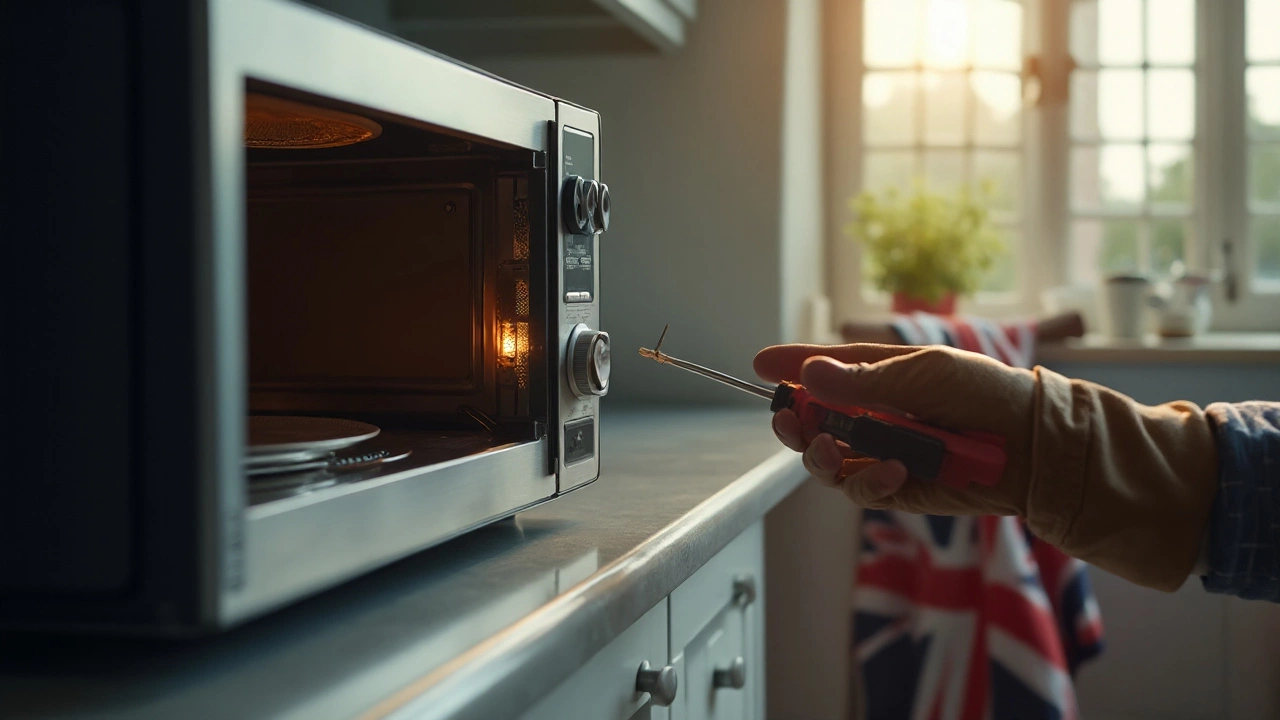
Learn fast how to spot a blown microwave fuse, test it safely, and replace it yourself. Step‑by‑step instructions, tools needed, and common pitfalls covered.
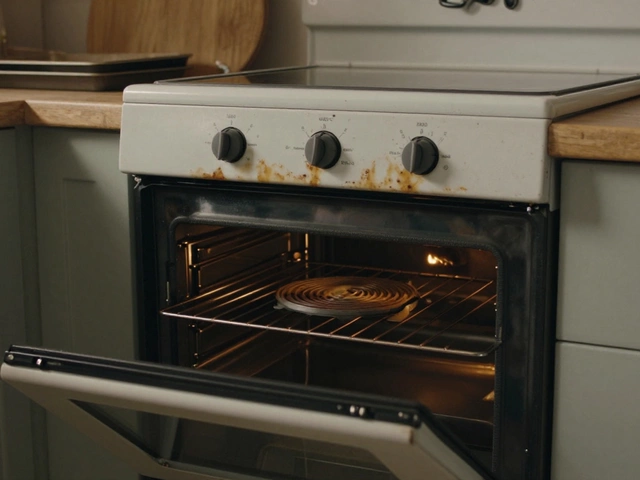
Deciding whether to fix or replace a 20-year-old oven? Learn real repair costs, energy savings, safety risks, and when it’s smarter to buy new. Practical advice for UK homeowners.

Resetting a water heater might seem simple, but it involves precaution. This article delves into when and why a reset might be necessary and explores the safety considerations involved. Learn about common signs that indicate a reset is due and the correct way to carry out this task. Discover the underlying causes of water heater issues to prevent future resets.

A failing water heater element can leave you in the chilly lurch just when you need a warm shower. Learn how to diagnose the problem with simple, straightforward steps. This guide covers common symptoms, testing methods, and practical tips for handling a faulty element. We'll explain what's involved and offer insights for DIY repair or knowing when to call a professional.

Spotting the two most common electric stove problems can make repairs easier. Learn how to catch signs like faulty burners and control issues with clear, helpful steps.

Thinking about swapping out the motor in your extractor fan? This article breaks down what's really involved, the red flags that mean the motor's cooked, and how to decide if you should tackle it yourself or call in a pro. It covers how to find the right replacement part, tips to avoid shocking mistakes, and why some fans just aren’t worth fixing. Whether your bathroom fan wheezes or your kitchen extractor hums like a jet, here’s how to handle a motor on its last legs.