

We all know how annoying it is when the bathroom stops doing its job. Cold showers, steam‑filled rooms, or a fan that won’t turn on can ruin your day. Below you’ll get straight‑to‑the‑point advice for the most common bathroom appliance hiccups – from hot water woes to extractor fan fixes – plus clear signs when you should call in a professional.
First thing’s first: if you’re standing under a cold shower, the culprit is usually the water heater. Start by checking the thermostat setting – many units are set too low to save energy, which can feel like a sudden freeze. If the heater is set correctly, look for a tripped reset button on the top of the tank. A quick press can restore heat, but repeated resets mean a deeper issue like a broken heating element or sediment buildup.
Flushing the water heater once a year removes mineral deposits that choke the heating process. To do this, turn off the power or gas, attach a garden hose to the drain valve, and let the water run until it’s clear. Refill the tank, turn the power back on, and you’ll notice hotter water sooner.
When a heater is more than 10‑15 years old, watch for signs of aging: noisy operation, rust‑colored water, or frequent leaks. Those are red flags that replacement might be cheaper than endless repairs. If you’re unsure, a short phone call to a local expert can give you a realistic estimate.
Extractor fans keep moisture from turning your bathroom into a damp nightmare. A fan that whines, rattles, or barely moves air is begging for attention. The first step is to clean the grille and the internal blades. Dust and hair can block airflow, reducing efficiency and increasing noise. Turn the power off, remove the cover, and use a soft brush or vacuum to clear the buildup.
If cleaning doesn’t help, it’s time to check the motor. A motor that hums but doesn’t spin usually means a burnt winding – that part isn’t cheap to fix, so swapping the whole fan is often the smarter move. Most bathroom fans last 5‑10 years; if yours is beyond that, consider a new model with a higher CFM rating for faster moisture removal.
Replacing a fan yourself is doable with basic tools. Measure the existing opening, buy a compatible unit, and follow the manufacturer’s wiring diagram. Safety first: always shut off the circuit at the fuse box. Mount the new fan, reconnect the wires, and test the switch. If you feel any hesitation about the wiring, a qualified electrician can finish the job safely.
Regular upkeep saves money and stops mold before it starts. A quick visual check each season, plus a deep clean once a year, will keep your bathroom dry, warm, and ready for daily use.
Got a different bathroom issue that’s not covered here? Our team in Bognor Regis can diagnose and repair anything from faulty thermostats to broken fan motors. We’re fast, reliable, and happy to help you get your bathroom back to full health.

Stuck with a broken extractor fan and not sure what to do next? This article gives you practical ideas for improving air flow in your kitchen or bathroom when the fan is out of action. Learn about effective ways to keep humidity, smells, and condensation under control using simple tools and habits. Discover the pros and cons of each alternative solution so you can pick what fits your place best. Skip the stress and get the facts on dealing with bad ventilation the easy way.
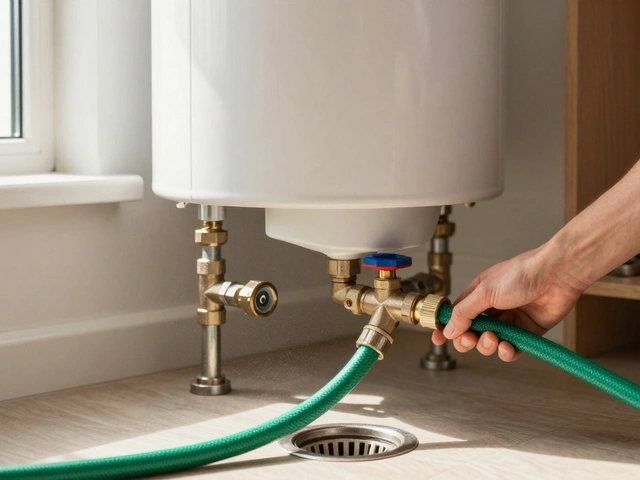
Learn essential water heater maintenance tasks like flushing sediment, checking the anode rod, and testing safety valves to extend lifespan and improve efficiency.

Wondering if your oven's heating element is faulty? Learn how to identify signs of a broken oven element, including visual inspections, testing with a multimeter, and troubleshooting tips. This guide offers essential knowledge to help you diagnose and fix any issues, ensuring your oven works efficiently. Stay informed about safety precautions and when it might be time to call a professional.
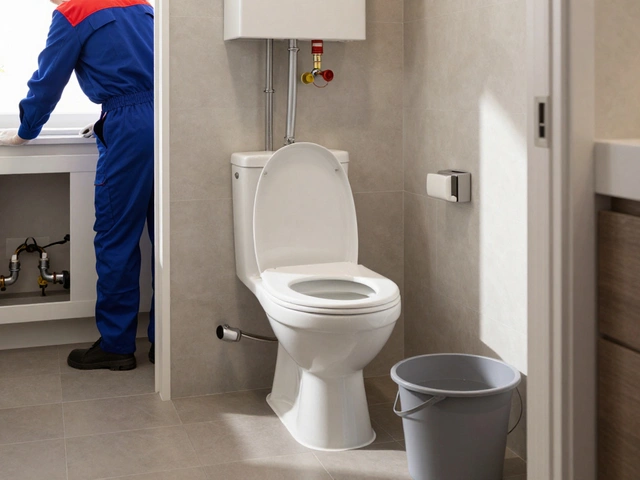
You can usually use the toilet when your boiler is being replaced, but water may be shut off during installation. Learn when it’s safe, how to flush without water, and what to ask your plumber to avoid surprises.
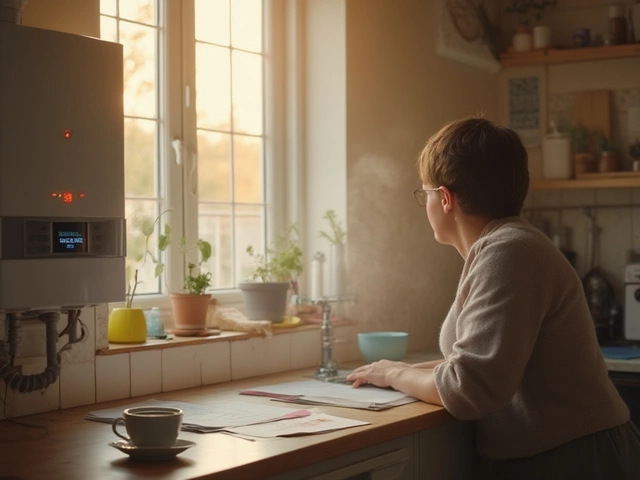
Discover when to worry about your boiler, warning signs to watch, and smart tips for safe use. Get practical advice to avoid major boiler headaches.

When your fridge stops cooling, it can be a real worry, especially with all that food at risk. Before you call the repairman, there are a few steps you can try yourself to bring your refrigerator back to life. From checking the thermostat settings to cleaning coils and examining door seals, you might find that a simple DIY fix does wonders. Understanding how these appliances work can also help prevent future hassles. This guide will walk you through the essential tips and tricks to get your fridge cooling again.