

Is your bathroom fan humming weirdly, making strange noises, or just not turning on? You’re not alone – a faulty fan is one of the most common household annoyances. The good news is that many issues can be sorted out in under an hour with a few basic tools. In this guide we’ll walk you through the most common problems, show you quick DIY fixes, and tell you exactly when it’s time to call a professional.
1. Fan won’t start. The first thing to check is the power supply. Make sure the switch on the wall is on and that the circuit breaker hasn’t tripped. If the fan still stays dead, remove the cover (usually a few screws) and test the wires with a multimeter. A dead line means a loose connection – tighten the terminals and you’re done.
2. Noisy operation. Rattling or grinding often means dust and debris have built up on the motor or blades. Turn off the power, take the fan out of the housing, and give everything a good vacuum. If the noise persists, lubricate the motor bearing with a few drops of light oil. Most fans use a sealed bearing, so check the manual before you add anything.
3. Weak airflow. Over time the fan’s blades can get warped or the duct can become clogged with lint, hair, and mould. Remove the fan housing, clean the blades, and inspect the duct. A short, straight pipe works best; if you see bends or crushed sections, replace that part of the duct. A clean path restores the original airflow.
4. Moisture buildup. If the fan runs but the bathroom stays damp, the vent may be blocked on the outside. Go outside, locate the vent cap, and make sure it isn’t covered by leaves or bird nests. A simple brush or garden hose can clear the blockage.
5. Fan runs continuously. Some fans have a humidity sensor that can fail. If the fan never shuts off, turn off the power, locate the sensor (usually a small board inside the housing), and either replace it or bypass it with a manual switch.
If you’ve tried the steps above and the fan still misbehaves, it’s best to call an expert. Electrical work can be dangerous, and a qualified technician can safely test the motor, replace worn bearings, or install a new fan that matches the size of your duct.
Professional help is also worth it when you need to upgrade to a more powerful, energy‑efficient model. Modern fans come with built‑in timers, humidity controls, and even quiet‑mode settings. A pro can make sure the new unit is correctly sized, wired, and sealed to avoid future leaks.
Finally, if you notice any burning smells, frequent tripping of the breaker, or visible water damage around the fan, shut it off immediately and get a qualified electrician involved. Those are signs of deeper electrical or ventilation problems that DIY fixes can’t resolve.
Bottom line: a lot of bathroom fan issues are fixable with a screwdriver, a vacuum, and a bit of patience. Keep a spare fan cover and basic cleaning brush on hand, and you’ll avoid most headaches. When the job gets beyond simple cleaning or wiring, don’t hesitate to call a certified repair service – they’ll get the fan humming smoothly again and keep your bathroom dry and fresh.
Discover who to call when your bathroom extractor fan starts acting up. This article explores whether to hire a professional electrician or tackle it yourself, highlighting common issues and maintenance tips. You'll also learn why keeping your fan in top shape matters more than you might think.

Struggling with hot water inconsistencies between your kitchen and bathroom? This article explores the causes behind such issues, including plumbing layout and water heater problems. Learn valuable tips for diagnosing and fixing these common household headaches. Discover practical solutions that can save you from cold showers and confusing hot water scenarios. Understand how simple tweaks or professional guidance can restore your home's balanced hot water supply.

Wondering how often you should replace your extractor fan? This article covers extractor fan lifespan, signs it's time for a change, maintenance tips, and why fresh air matters.
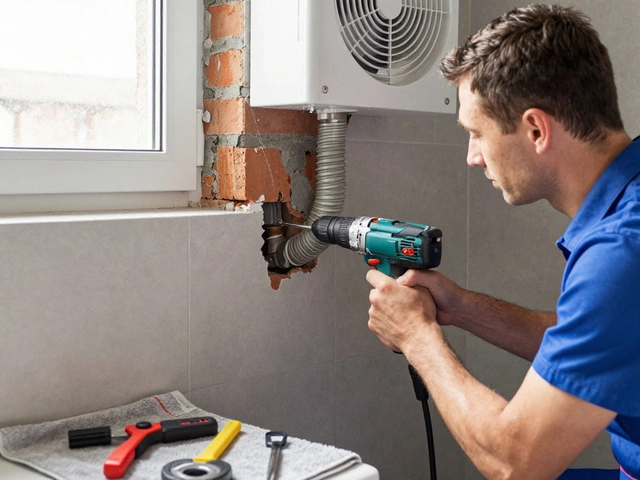
Can a plumber fit an extractor fan? While they can install the unit, only a qualified electrician can legally and safely handle the wiring. Learn what you need to know before hiring anyone.

Curious about how your home appliances actually work? Get a full breakdown of what happens inside, troubleshooting tips, and smart ways to keep everything running smoothly.
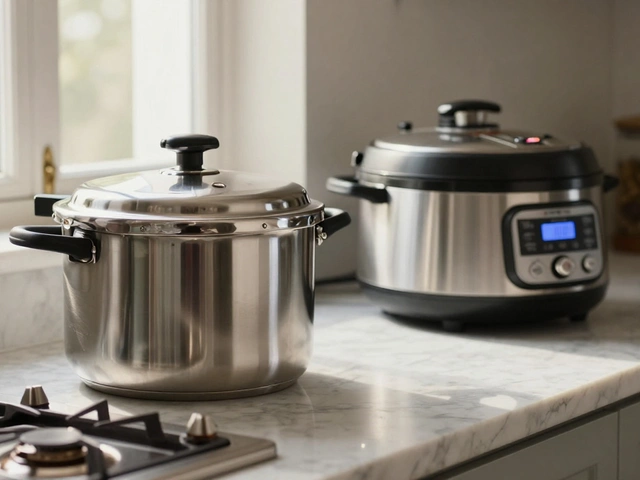
Discover how long pressure cookers last, comparing stovetop vs electric models. Learn signs of wear, repair options, and maintenance tips to extend lifespan safely.