

Ever turned on your oven or electric hob and got nothing but a cold surface? Most of the time the culprit is a bad heating element. It’s the part that turns electricity into heat, and when it fails, your whole appliance feels useless. The good news? You can often identify the problem and fix it without calling a pro.
Elements wear out for three simple reasons: age, wear, and moisture. After years of heating and cooling, the metal inside can develop cracks or break down. Frequent trips to high temperatures speed up that wear. If water sneaks into the element, it can short‑circuit and stop working altogether. Look for visual signs like black spots, a broken coil, or a faint smell of burnt plastic.
Another tell‑tale sign is the “click‑click” noise you hear when you turn the appliance on. That’s the thermostat or relay trying to fire the element, but the element isn’t responding. If the appliance still turns on but stays cold, you’ve likely got a dead element.
Before you start, always unplug the appliance and let it cool completely. Safety first. For an electric hob, remove the screw caps covering the element, pull it out, and check the connector for any corrosion. A quick wipe with a dry cloth can solve a loose contact. If the coil looks broken, replace it – a new hob element usually costs under £30 and fits in under an hour.
Oven elements follow a similar process. Open the oven, locate the element (usually at the back or bottom), and unscrew it. Test it with a multimeter: set the meter to resistance (ohms) and touch the probes to the element’s terminals. A healthy element reads between 10‑30 Ω; infinity means it’s busted and needs swapping.
Dishwashers and washing machines also have heating elements, but they’re tucked behind panels. The steps stay the same – disconnect power, access the element, test, and replace if needed. Most replacement parts are sold with step‑by‑step guides, so you don’t have to be an electrician.
If you’re unsure about testing, you can still do a quick visual inspection. A cracked or bulging element is a clear sign it won’t work. In that case, order the exact model number from the manufacturer or a trusted supplier, and install it following the instructions.
When the element is fixed, give the appliance a short run‑through. Turn the oven to 180 °C for 10 minutes or the hob to high for a few minutes. If you feel heat and the device functions normally, you’ve saved yourself a service call and a few hundred pounds.
Remember, regular maintenance can prolong element life. Keep moisture away, avoid slamming doors on hot surfaces, and clean off any food debris that could cause overheating. A quick annual check of your appliance’s heating parts can catch a failing element before it leaves you in the cold.
So next time your kitchen gear goes cold, don’t panic. Check the element, test it, and replace if needed. With the right tools and a little patience, you’ll have heat back in minutes – and keep your wallet happy.
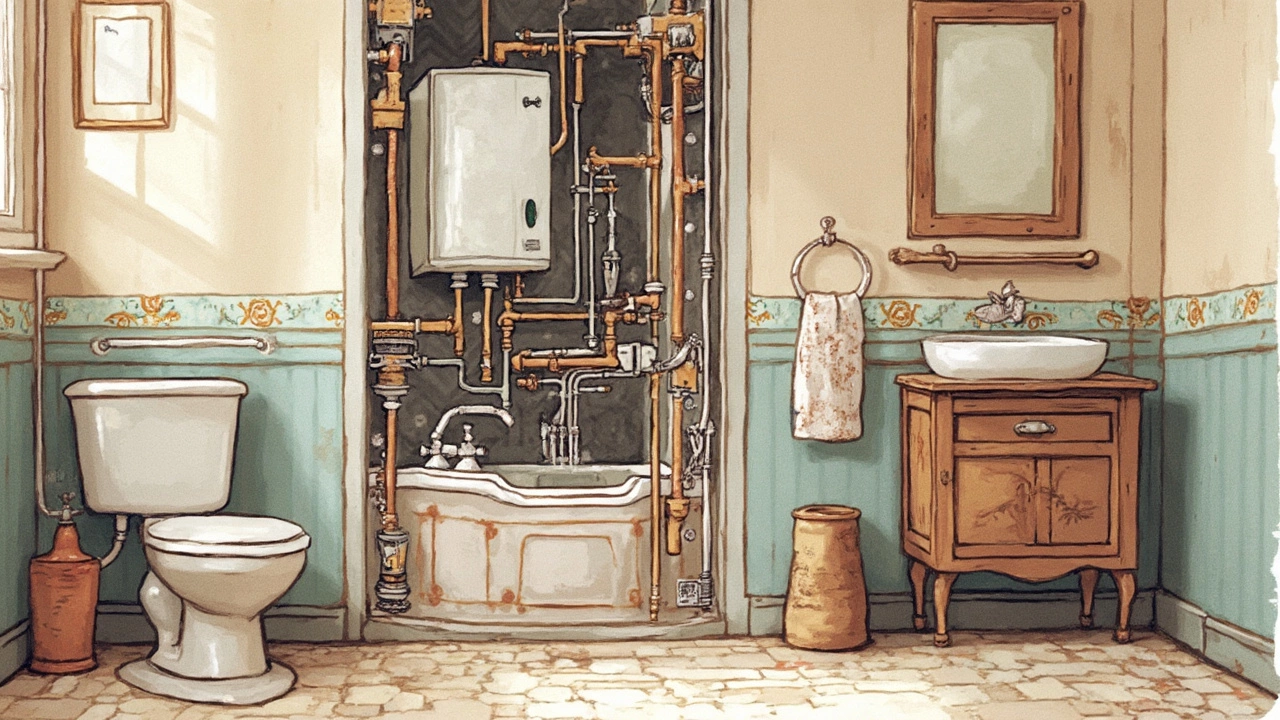
A failing water heater element can leave you in the chilly lurch just when you need a warm shower. Learn how to diagnose the problem with simple, straightforward steps. This guide covers common symptoms, testing methods, and practical tips for handling a faulty element. We'll explain what's involved and offer insights for DIY repair or knowing when to call a professional.
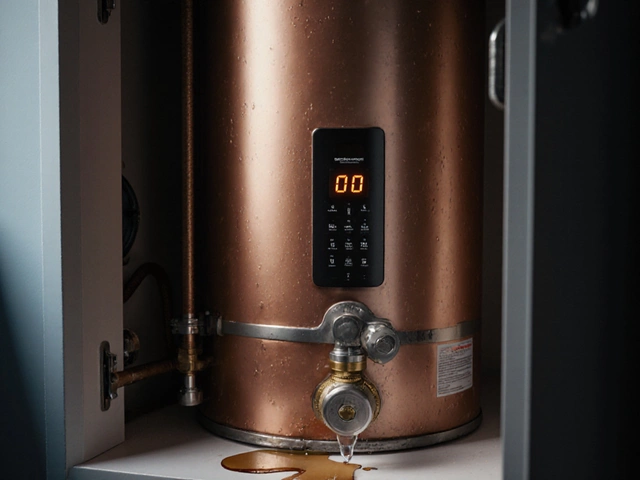
Spot the top warning signs of a failing hot water heater, from strange noises and leaks to temperature swings and error codes, plus practical fixes and when to call a pro.

Dealing with a lack of hot water can be incredibly frustrating, especially during colder months. This article provides step-by-step guidance to identify and fix common issues with water heaters, ensuring you can tackle minor problems yourself before calling a professional. By understanding the functionality and common problems associated with water heaters, you can save time, money, and avoid inconvenient cold showers.

Heat pumps are reliable, but they aren’t perfect. Most people run into the same headache: their heat pump is running, but the air isn’t getting warm (or cool) enough. This article breaks down why this happens, what you can do before calling a pro, and how to keep your heat pump running smoothly. Get to know the main reasons behind weak heat and poor air flow, and pick up easy tips to avoid repeat problems. It’s practical info every homeowner can use.
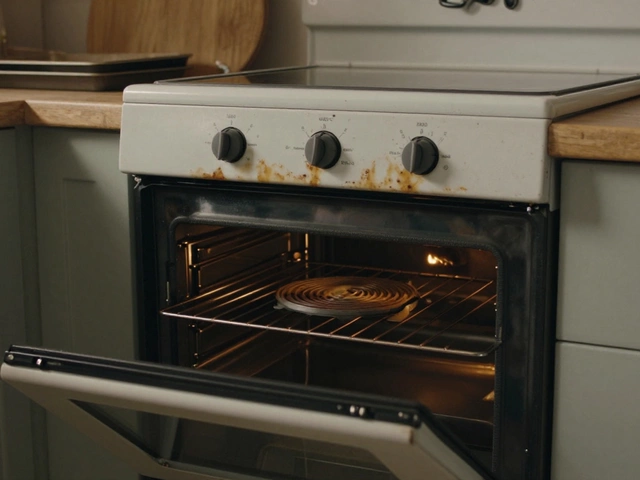
Deciding whether to fix or replace a 20-year-old oven? Learn real repair costs, energy savings, safety risks, and when it’s smarter to buy new. Practical advice for UK homeowners.
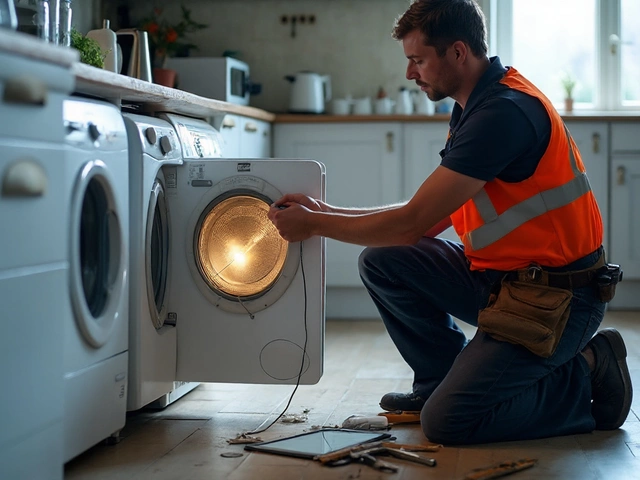
Front-load tub/drum assemblies and top-load transmissions are usually the priciest washer repairs. See real costs, how to diagnose, and when to fix or replace.