

Got a noisy washing machine, a cold oven, or a dishwasher that just won’t start? Before you spend a fortune on a brand‑new unit, ask yourself if the fix is cheaper and smarter. Below you’ll find the practical questions and real‑world examples that help you decide whether to call a pro, roll up your sleeves, or start shopping for a replacement.
First, look at the age of the appliance. Most modern washers and dryers last about 10‑12 years, while ovens and hobs can push 15 years if maintained. If your machine is well under that range, a repair is usually worth the money.
Next, check the symptoms. A broken cooker element, for example, often costs under £80 to replace (see our "Replace Oven Element" guide). If the problem is a single faulty part—like a busted hob element or a busted extractor fan motor—you can expect a quick fix and a low bill.
Energy efficiency matters, too. An old fridge that’s still running but draws a lot of power may cost more in electricity than a new, A‑rated model. Use a simple check: if the appliance’s energy label is more than three stars old, factor higher running costs into your decision.
Finally, consider safety. Leaking water heaters, overheating boilers, or a heat pump that won’t blow warm air can become hazards. When safety is at risk, replace is often the safest route.
Cost is the biggest driver. A common rule of thumb is the "50 % rule" – if a repair quote is more than half the price of a comparable new unit, it’s probably smarter to replace. Our dishwasher repair guide shows that fixing a 4‑year‑old dishwasher can run close to £200, while a fresh model may be just a little more expensive and comes with a warranty.
Recurring problems are another red flag. If you’ve had to call a technician three times in a year for the same washing machine, the underlying issue is likely deeper than a simple belt or pump failure.
Technology upgrades also tip the scales. New heat pumps, for instance, are far more efficient than older models. If your heat pump isn’t blowing warm air and is over 10 years old, the energy savings from a new unit can quickly offset the upfront cost.
When you decide to replace, look for energy‑efficient models, check user reviews, and consider the warranty length. A good warranty can save you money if something goes wrong in the first few years.
In short, weigh age, part cost, energy use, safety, and how often the problem recurs. If the fix is cheap, quick and the appliance isn’t getting old, repair it. If the bill approaches half the price of a new unit, the appliance is ancient, or safety is a concern, start shopping for a replacement. And when in doubt, get a professional opinion – a quick diagnostic call can save you hours of guesswork.

Is your 10 year old dryer gasping for air, and you’re wondering if it’s time to fix or toss it? This article breaks down how long dryers usually last, what typical repair costs look like, and when it just makes more sense to get a new one. You’ll find smart tips to figure out if fixing an older dryer is throwing good money after bad or saving yourself from an expensive upgrade. Get real-life advice that skips the fluff and gets to the point.

Extractor fans are essential for maintaining air quality in enclosed spaces like kitchens and bathrooms. When these fans break down, they can lead to moisture buildup and unpleasant odors. This guide offers practical advice on fixing a broken extractor fan, providing step-by-step instructions that any homeowner can follow. Learn how to diagnose common issues and the tools needed to restore your fan to working order.
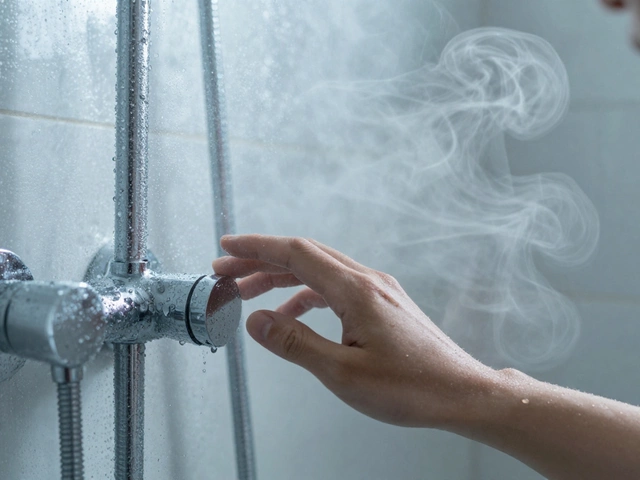
Learn how to diagnose a failing hot water heater thermostat with this expert guide. Spot the signs, use a multimeter for testing, and find out when to replace it.

Heat pumps are reliable, but they aren’t perfect. Most people run into the same headache: their heat pump is running, but the air isn’t getting warm (or cool) enough. This article breaks down why this happens, what you can do before calling a pro, and how to keep your heat pump running smoothly. Get to know the main reasons behind weak heat and poor air flow, and pick up easy tips to avoid repeat problems. It’s practical info every homeowner can use.
Find out why your hot water vanished, walk through quick DIY checks, learn simple fixes, and know when to call a professional for reliable heat restoration.
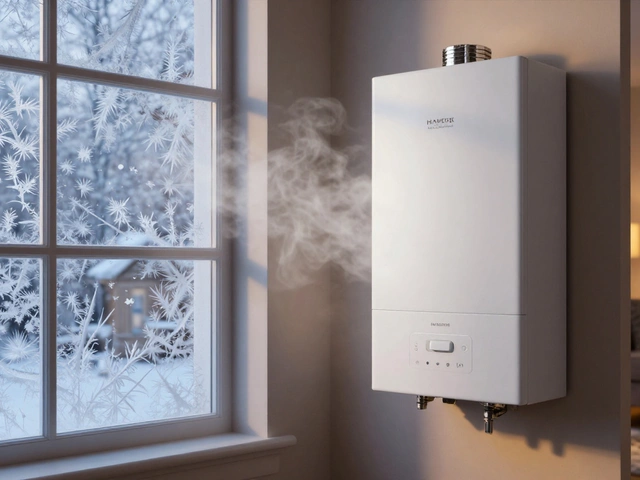
Boiler repair costs in 2026 range from £80 to £1,500 depending on the fault. Learn average prices for common fixes, hidden fees, and when to repair versus replace your boiler.