

Got a noisy washing machine, a fridge that won’t cool, or an oven that stays cold? You’re not alone. Most households face at least one appliance hiccup a year, and the good news is many of them can be solved without a pricey call‑out.
In this guide we’ll walk through the most common problems, show you quick DIY steps, and point out the signs that it’s time to hand the job over to a qualified technician.
Washing machines often stop spinning or drain slowly. First, check the door latch – a loose latch can stop the spin cycle. Next, look at the pump filter; a jammed lint or coin will cause drainage issues. Clean it out, reset the machine, and you’re usually good to go.
Electric ovens that won’t heat usually have a faulty heating element or a broken temperature sensor. Unplug the oven, remove the back panel, and inspect the element for obvious cracks or breakage. If it looks damaged, swapping it out is a straightforward 15‑minute job with a screwdriver and a new part.
Fridges that stay warm but keep the light on often suffer from a dirty condenser coil or a stuck fan. Pull the unit away from the wall, vacuum the coils, and listen for the fan spin. If the fan isn’t running, a quick replacement can restore proper cooling.Dishwashers that won’t drain typically have a clogged filter or a kinked hose. Remove the bottom rack, clean the filter screens, and straighten any hose bends. Run a short cycle to confirm water is now exiting correctly.
Heat pumps that aren’t blowing warm air may have a dirty air filter or low refrigerant. Start by swapping the filter; if the problem persists, note any ice build‑up on the outdoor unit – that usually means a professional needs to check the refrigerant levels.
DIY works for many minor glitches, but certain signs say “call the experts”. If you smell gas, see water leaking from a boiler, or notice electrical sparks, shut the appliance off and contact a certified technician immediately.
Complex components like a compressor in a fridge, the control board in a modern oven, or the internal wiring of a boiler require specialised tools and safety training. Attempting these repairs yourself can void warranties or cause further damage.
Also, if your appliance is older than its typical lifespan – say a washing machine over 12 years or a water heater nearing 20 – weigh the repair cost against replacement. A rough rule: if the fix costs more than half the price of a new unit, it’s usually smarter to replace.At Bognor Regis Appliance Repair Experts we specialise in fast, reliable service for all the appliances listed above. Our technicians know when a simple part swap will do the trick and when a full system overhaul is the safer route.
Bottom line: start with the easy checks, keep a log of what you’ve tried, and don’t hesitate to call a pro when safety or cost becomes a concern. With the right approach, most appliance issues stay minor and your home runs smoothly.

Struggling with an electric oven that isn't doing its job? This article guides you through common problems you might face with your electric oven, from strange noises to uneven cooking. You'll learn specific symptoms to watch for and practical ways to check what's wrong before calling a professional. Discover tips to keep your oven running smoothly and avoid kitchen headaches. No complicated jargon—just real advice that actually works.

Annoyed by standing water at the bottom of your dishwasher? This article breaks down why your dishwasher isn't draining, what can cause it, and how to troubleshoot the most common issues. Learn about clogged filters, garbage disposal connections, and more. I'll also share some handy tips to help you prevent problems in the future. Whether you're a first-timer or have dealt with dishwasher headaches before, you’ll find practical advice here.

Wondering if that decade-old laptop should stick around or be kicked to the curb? This article dives into the practicality, challenges, and potential of keeping a 10-year-old laptop. With tips on upgrading components, performance tweaks, and sustainability, you'll discover whether holding on to an old device is a wise choice. Including pros and cons, this guide offers straightforward advice for the tech-savvy and beginners alike. Explore the balance between nostalgia and functionality in the ever-evolving world of technology.
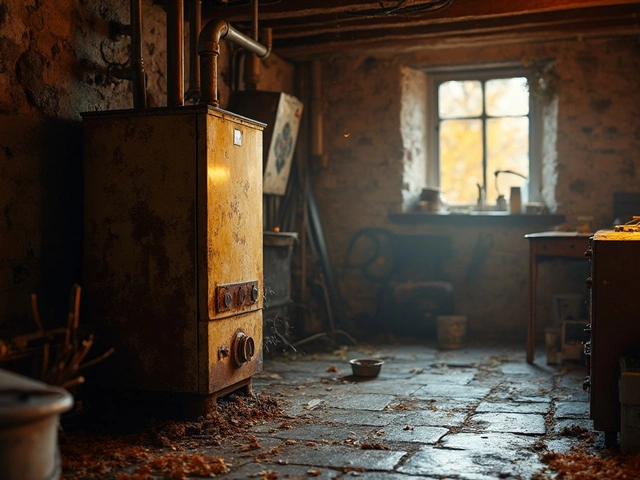
Replacing an old boiler might seem like a hassle, but when it's reaching the 15-year mark, the decision becomes crucial for efficiency and safety. This article explores whether it's time to upgrade, balancing costs, savings, and the impact on your home. From understanding energy efficiency to recognizing warning signs, we dive into everything you need to consider. With insights and practical tips, make an informed choice about your old boiler.
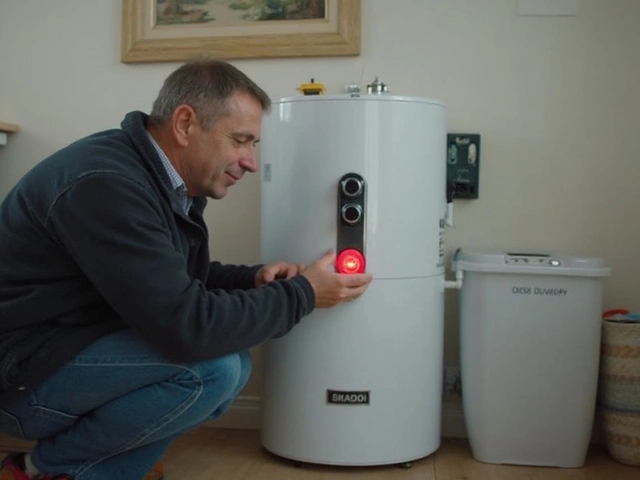
Ever wondered why you end up pushing that red reset button on your water heater over and over? This article digs into exactly what the reset button does, why it keeps tripping, and what can go wrong if you keep hitting it. Get clear answers about hidden water heater issues and learn simple steps to protect your system—and your wallet. We’ll walk you through warning signs, smart troubleshooting tips, and when it’s time to call a pro. No tech jargon, just straight talk for anyone tired of cold showers.

Want to know how much Geek Squad at Best Buy will charge for fixing your laptop? This article breaks down their pricing and services, so you know exactly what to expect before you hand over your device. You'll learn what affects the cost, whether a protection plan is worth it, and get the lowdown on real-life repair scenarios. Plus, there are tips to help you save some cash or avoid common headaches. No tech jargon or fancy lingo—just straight answers.